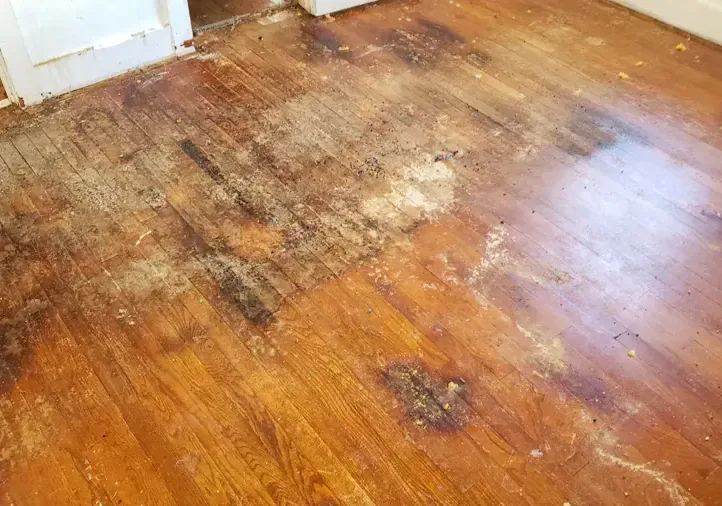
A wet wood floor in Tarzana can change shape while moisture remains beneath the boards. The useful response combines prompt assessment of the water source with a careful record of the installed flooring and the layers below it. Owners need a clear explanation of retention, access and repair choices that follows the condition of their own floor throughout the drying work.
Key takeaways
- Record board shape and surface condition before furniture or coverings are moved.
- Identify the installed flooring and the supporting layers during inspection.
- Use repeated measurements at marked locations to follow drying progress.
- Discuss sanding and replacement only with the floor's moisture and condition documented.
Photograph shape as well as the wet area
A useful first record shows the room, the direction of the boards and the transition to adjoining finishes. Close views can capture raised edges, gaps, discoloration or a change at the threshold.
The owner should keep these photographs connected to the date and location so later changes are easy to compare.
Rugs and furniture can conceal portions of the floor and leave different visible patterns after water exposure. Moving them requires a safe handling plan and a dry destination.
Before an item is moved, a photograph of its original position helps explain why one part of the floor may have received different exposure or access.
Mulholland Park is a named local place, and the Tarzana Recreation Center includes a gymnasium and community facilities. These landmarks can help describe the neighborhood when arranging a wood floor water damage assessment.
The inspection itself should identify the exact room and board sections needing attention.
- Include a doorway or fixed cabinet in the wide room view.
- Photograph raised edges from a consistent angle.
- Keep a separate note of any preexisting floor marks the owner recognizes.
Identify the floor assembly before selecting access
The visible face does not reveal every layer supporting a floor. An inspection should identify the installed product, its attachment and any accessible backing or underlayment.
A technician can then describe how water may have reached the lower layers and what access is available to evaluate their actual condition.
A transition strip or existing opening may expose useful information without broad removal. Where further access is needed, the contractor should explain the question the opening will answer.
The work record can show the layers revealed and link them to the moisture map rather than describing the entire floor only by its surface appearance.
Different sections of a home may have different flooring products or installation histories. An addition, repaired area or adjoining room deserves inspection on its own terms.
The owner benefits from a room specific description that separates these assemblies and makes clear which measurements and repair recommendations belong to each section.
Extract liquid before asking equipment to dry the assembly
Collected water and moisture absorbed into material require different parts of the response. Extraction of accessible water can reduce the liquid remaining on the floor while the team evaluates the assembly underneath.
The contractor should also check where water traveled at the perimeter and across the nearest room transition.
Equipment placement depends on access to the affected material and the condition of the water. A drying method appropriate to one exposed assembly may not fit another concealed or damaged area.
The team should explain what is being retained, how it will be reached and which findings could change that decision.
The source needs to be addressed alongside the floor work. If additional water appears, the owner should report its location and the activity occurring at the time.
Continued release can complicate interpretation of the moisture trend, so the source repair record should stay connected to the floor assessment throughout the project.
- Note any water remaining beneath removable coverings.
- Keep the source repair contact available for new observations.
- Record the floor perimeter areas included in the extraction assessment.
Build a measurement map that can be repeated
A floor log needs locations precise enough for a technician to revisit. Fixed room features, board direction and a simple labeled diagram help achieve that consistency.
Each entry should identify the material and suitable instrument setting, with a relevant dry comparison selected to support the interpretation of the affected readings.
The map should cover the wettest accessible areas and the transition toward less affected material. Repeating only a convenient reading beside the doorway can miss a stubborn section under a former rug or alongside a cabinet.
The technician can explain why particular points were chosen and what each reveals about the assembly.
Shape observations belong beside the moisture readings. A board edge may remain raised while the measured condition changes, and a visibly flat section can still require assessment below its face.
Keeping these observations together gives the flooring professional a fuller record when discussing the eventual finish and repair options.
Adjust the drying plan when a section stalls
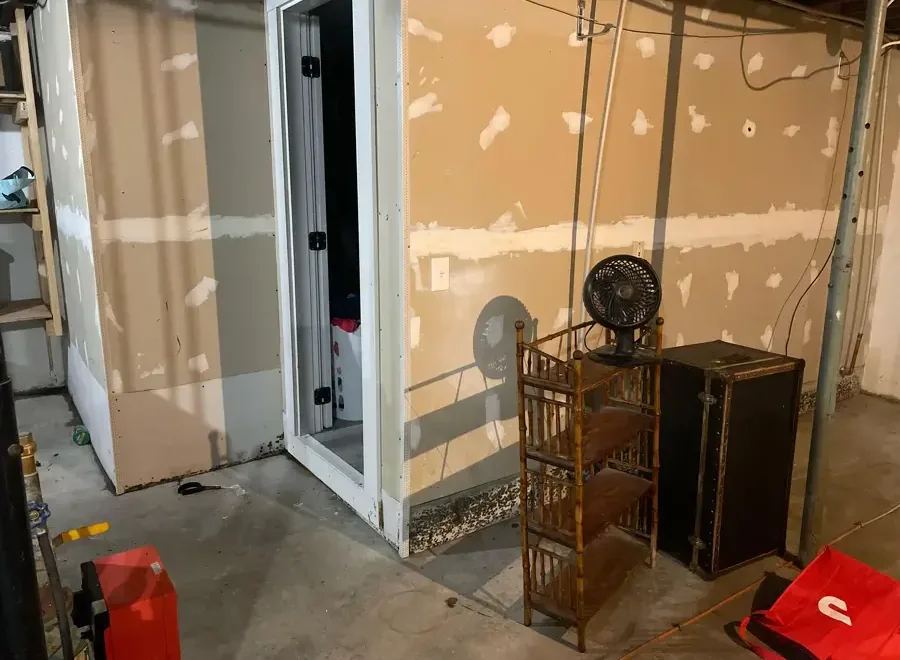
Structural drying should respond to measured conditions in the retained floor and its supporting materials. A section that remains elevated deserves another look at access, layers and the possibility of continued water entry.
The next adjustment should have a stated purpose that can be evaluated on the following visit.
Equipment changes may involve placement, access or the balance between air movement and moisture removal. The contractor should document what changed and which measurement prompted it.
This gives the owner a practical explanation of the work and prevents a drying project from becoming a schedule based solely on elapsed time.
Household use also affects access to measurement points. Furniture should remain outside the mapped work area until the contractor agrees it can return.
If a doorway or passage must be used, the owner can discuss that need with the team and agree on protection that leaves the inspection route available.
- Keep the labeled reading points accessible throughout monitoring.
- Record newly exposed layers after an access change.
- Ask for the remaining elevated areas to be identified on the map.
Retention and replacement are material decisions
A flooring professional evaluates attachment, condition, exposure and the drying response when discussing whether boards can remain. The owner should receive an explanation tied to the inspected sections.
A proposal that identifies the reason for each retained or replaced area is easier to compare with the original photographs and moisture record.
Decorative value and continuity with adjoining rooms matter to repair planning, but the condition of the assembly still needs attention. The contractor can explain how a replacement section will meet the existing floor and which transitions require additional work.
These details should be described before materials are ordered or finish work begins.
Sanding or refinishing deserves its own timing discussion after the moisture condition has been evaluated. The flooring specialist needs the history of the water exposure and the drying record to make that assessment.
The owner can preserve both documents with the photographs showing the board shape before and after mitigation.
Hand the floor over with clear remaining work
The closing report should identify the completed drying areas, the final measurements and any floor sections removed during access or cleanup. Photographs of the exposed supporting layers help the repair contractor understand what must be rebuilt.
Any area still awaiting a specialist decision should remain clearly marked in the scope.
The household should know when furnishings may return and which floor protection the repair professional recommends for the remaining work. Large pieces should not hide a section still awaiting evaluation or finishing.
An orderly return keeps the completed space usable while preserving access for the specific tasks that remain.
Victory Boulevard marks the neighborhood's northern boundary, and Topanga State Park marks its southern boundary. Within that local setting, the useful floor record is the one made inside the affected home: a source account, assembly description, measurement map and repair decision.
Keeping those records together supports a well explained result for the owner.
Questions
Does a raised board edge settle as soon as surface water is removed?
Changes in board shape need evaluation over the course of drying. The flooring professional can compare the moisture record with the observed condition before recommending a finish or replacement approach.
Why measure an area that looks unaffected?
A suitable comparison helps interpret the affected material readings. The technician chooses the comparison with the actual flooring assembly and instrument method in mind.
Can furniture stay on the floor during monitoring?
Placement should be agreed with the restoration team so equipment access and measurement points remain available. Heavy items may need relocation when they obstruct inspection or conceal affected material.
What should accompany a request for a flooring repair proposal?
The owner can provide the room photographs, description of installed layers, final drying measurements and locations of removed boards. Those details let the flooring contractor scope the work with fewer missing conditions.