Roof Leak Water Damage in Tarzana, CA
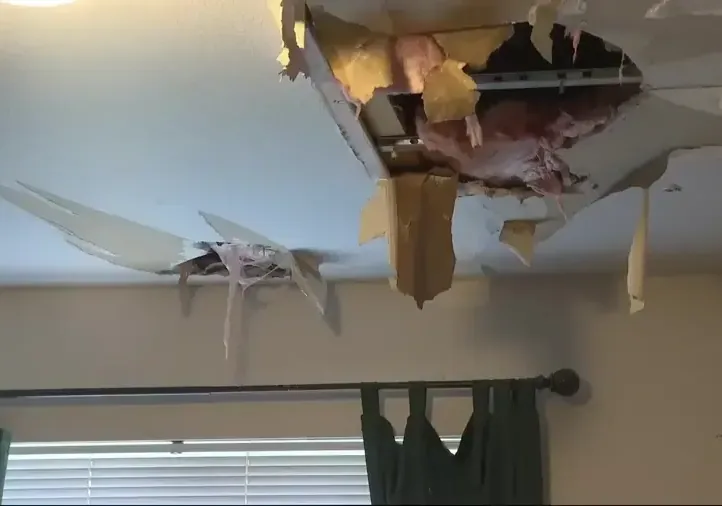
Tarzana water damage crews assess the interior path of roof-entry water, from attic materials to ceiling and wall finishes. A roofing specialist controls the entry while the restoration team measures and dries the affected building assembly.
(888) 578-6508Discuss rain through the roof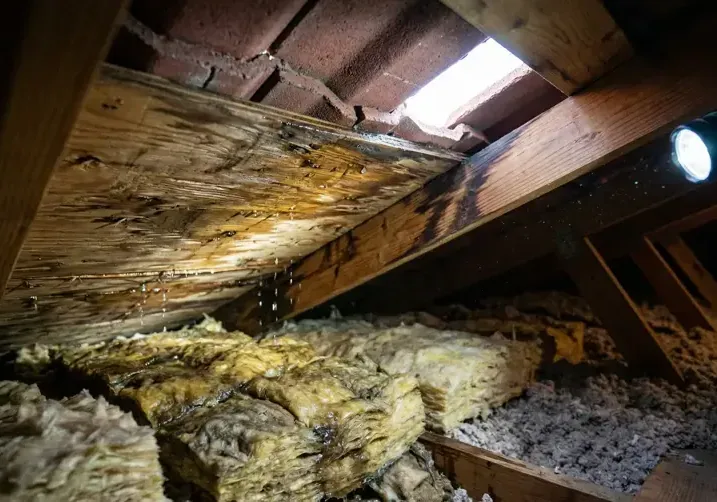
First steps for roof leak water damage
- Avoid the roof and attic hazard. The household stays off wet roofing and away from unstable attic access. A roofing professional determines safe exterior inspection and temporary weather protection.
- Close the affected room. People and pets remain clear of sagging ceiling areas and wet fixtures. Protecting the area below takes priority over collecting water from an unsafe spot.
- Note rain timing. The property representative records when the drip starts and stops, which rooms are affected and whether a previous repair exists. The source specialist reviews that history.
- Coordinate two work scopes. Roof entry repair and interior drying require a clear sequence. The restoration team records when source control is complete and checks for renewed moisture afterward.
What does roof leak water damage cost in Tarzana, CA?
Roof leak interior water damage cleanup in Tarzana typically has a planning range of $1,000 to $5,500. Attic access, wet insulation, ceiling area and repeated entry affect the drying scope. Roof repair and replacement finish work are not included in that range.
For a closer planning number, run the water damage cost calculator. The restoration contractor who responds prices the job after the walkthrough and the moisture map.
How roof leak water damage proceeds
- Step 1
Inspect the interior safely
The technician establishes access below the leak and identifies electrical or overhead concerns before tracing moisture toward the attic and adjoining walls.
- Step 2
Coordinate the roofing findings
The team records the identified entry and source-control status, keeping exterior repair responsibilities distinct from the materials needing indoor mitigation.
- Step 3
Remove trapped water
Recovery and selective material access reduce retained moisture, with insulation and finish decisions documented before the drying equipment is arranged.
- Step 4
Track the assembly response
Readings from framing and adjoining surfaces show progress, while checks after additional rain help identify whether the source repair needs further attention.
Rain can follow a rafter or penetration before appearing at a ceiling seam. The interior stain therefore does not pinpoint the exterior defect. Restoration starts with a safe assessment of the water path while a roofing professional investigates the entry.
Seasonal rain and the southern neighborhood edge
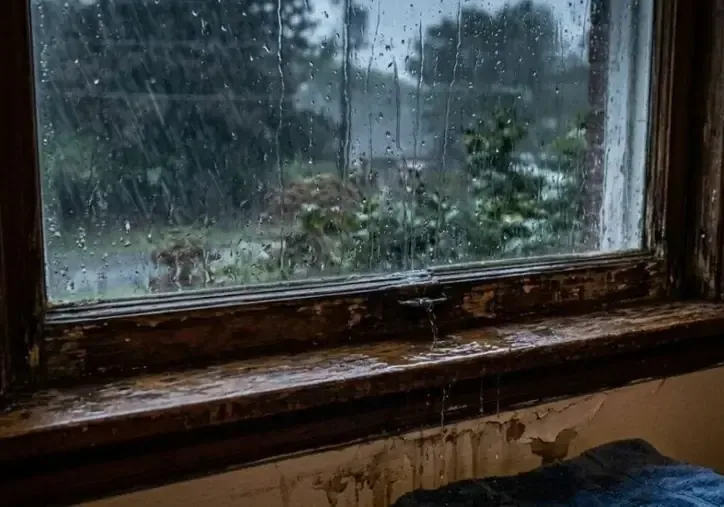
Tarzana has a hot-summer Mediterranean climate. Topanga State Park marks the southern boundary, and Caballero Canyon lies on the north side of the Santa Monica mountains. After rain, the roof specialist checks the entry point while the drying crew traces moisture through insulation, ceiling board and nearby walls.
Along Corbin Avenue, a roof-loss inspection still depends on the individual building's attic access, ceiling design and maintenance history. A dry interval can stop the visible drip while leaving insulation and framing wet. The crew records that distinction before planning interior work.
Keeping exterior repair separate from interior drying
- The roofing trade identifies the entry and determines safe exterior repair.
- The mitigation technician maps the interior water path and material saturation.
- Wet insulation is evaluated for removal, access and restoration suitability.
- The property representative receives separate scopes when different trades are involved.
Occupants should not climb onto a wet roof or enter an unsafe attic to find the opening. Ready severe-weather preparation addresses protective planning, while EPA indoor air information provides context for managing indoor moisture conditions.
Drying the concealed roof-loss footprint
The crew checks more than the stained ceiling. Upper wall cavities, trim joints and insulation pockets can retain water along the path. Controlled openings and dehumidification give those materials a route to release moisture instead of leaving the finish to conceal it.
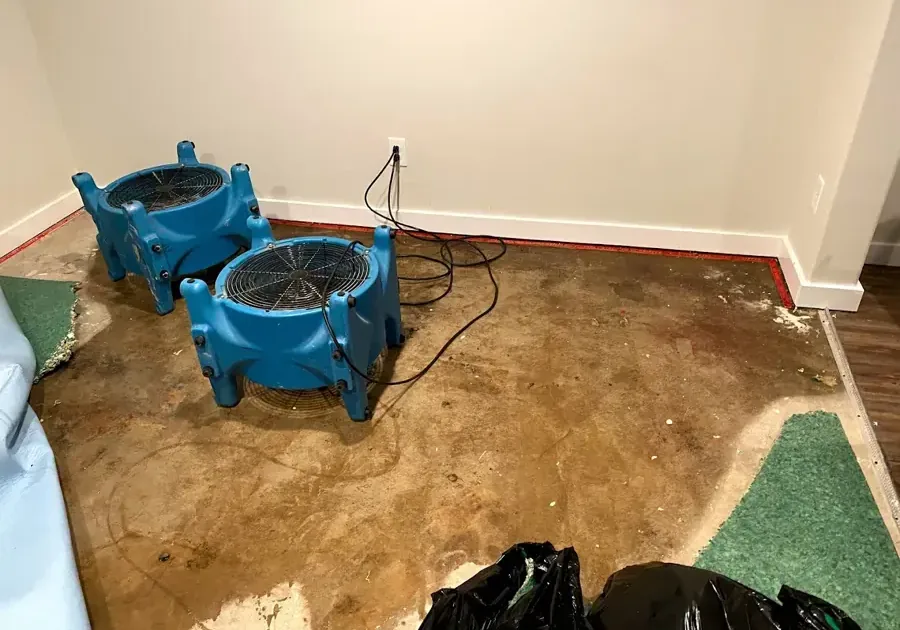
Daily measurements show whether the assembly is responding after source control. New rain can change the plan if the entry is not fully repaired. The drying record identifies dates, conditions and affected materials so subsequent repair work follows the actual findings.
Roof leak water damage around Tarzana
Tarzana Water Damage Restoration covers ZIPs 91356 and 91357, including Mulholland Park and homes near Ventura Boulevard, Victory Boulevard, Lindley Avenue and Corbin Avenue. Crews assess the affected property and establish a safe equipment route before extraction begins.
Related drying and cleanup services
Roof Leak Water Damage questions in Tarzana, CA
Will the restoration crew repair the roof?
The interior mitigation scope and roofing repair are separate responsibilities. A roofing specialist determines the exterior work. The property representative should confirm who handles each task and how the work will be coordinated.
Why is the stain away from the roof defect?
Water can follow framing, underlayment or a penetration before reaching the ceiling. The interior exit point is useful evidence, but it does not locate the exterior defect without a separate roof assessment.
Can hot weather dry the attic by itself?
Insulation pockets and covered framing can retain moisture during warm outdoor weather. Material readings and access conditions determine the plan. The drying team checks the actual assembly rather than relying on the forecast.
Should wet insulation be removed immediately?
A technician assesses the insulation, water condition and access before recommending removal. Some materials retain moisture or block airflow, but safe disturbance and surrounding material conditions also need to be considered first.
What if rain returns during the dry-out?
Renewed entry can change the moisture map and extend the work. The roofing specialist should reassess source control, while the restoration team documents the new conditions and adjusts the interior plan as needed.
How can roof-loss costs be documented?
Photographs of affected interiors, source findings, moisture readings and an itemized mitigation scope help explain the work. Coverage for the roof and resulting damage depends on the insurer’s policy review, not the cleanup estimate.
Tarzana roof-loss interiors dried by measurement
Source repair and interior mitigation work together, with clear records showing what became wet and how the concealed assembly responded.
(888) 578-6508Plan the roof-loss interior workTarzana Water Damage Restoration
Tarzana, CA and Los Angeles County
(888) 578-6508 · open 24/7
Water and sewage losses only
Find us on Google