Storm Flood Cleanup in Tarzana, CA
Tarzana flood cleanup crews assess access, contamination and the entry path before recovering storm water indoors. The work separates debris removal and cleaning from the drying that follows, with records of the affected materials and rooms.
(888) 578-6508Discuss storm water indoors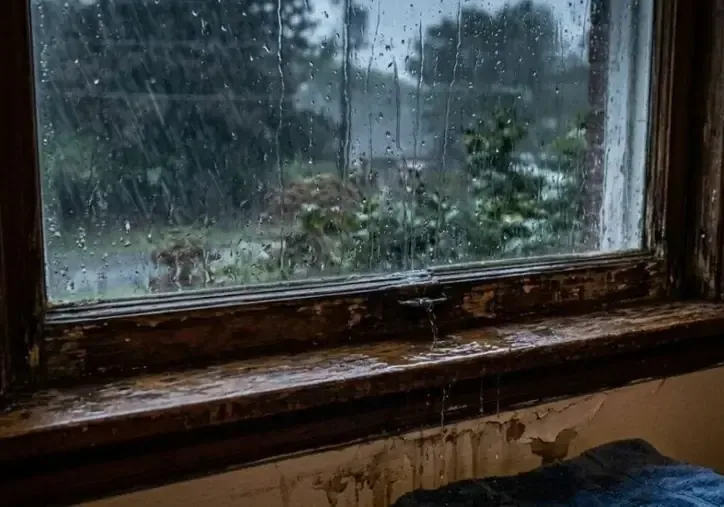
First steps for storm flood cleanup
- Wait for safe access. Occupants follow official restrictions and remain out of moving or unknown-depth water. A cleanup appointment does not make a flooded access route safe.
- Separate people from contamination. Children and pets stay outside affected rooms. Shoes, belongings and equipment should not carry residue from the wet zone into clean living areas.
- Preserve visible conditions. A property representative photographs water marks and entry points from a safe position. The crew records damaged materials before approved removal begins.
- Avoid household fan use. Airflow should follow contamination assessment and cleaning. Blowing across dirty water or debris can spread material beyond the original affected room.
What does storm flood cleanup cost in Tarzana, CA?
Storm flood cleanup in Tarzana generally needs a $2,000 to $10,000 planning range for affected interiors. Contamination, debris, material removal and the extent of saturation drive the cost. Structural repairs and exterior drainage corrections require separate evaluation.
For a closer planning number, run the water damage cost calculator. The restoration contractor who responds prices the job after the walkthrough and the moisture map.
How storm flood cleanup proceeds
- Step 1
Check entry and safety
The assessment identifies the water path, building access and contamination concerns, then establishes which clearances must precede recovery inside the property.
- Step 2
Recover and remove
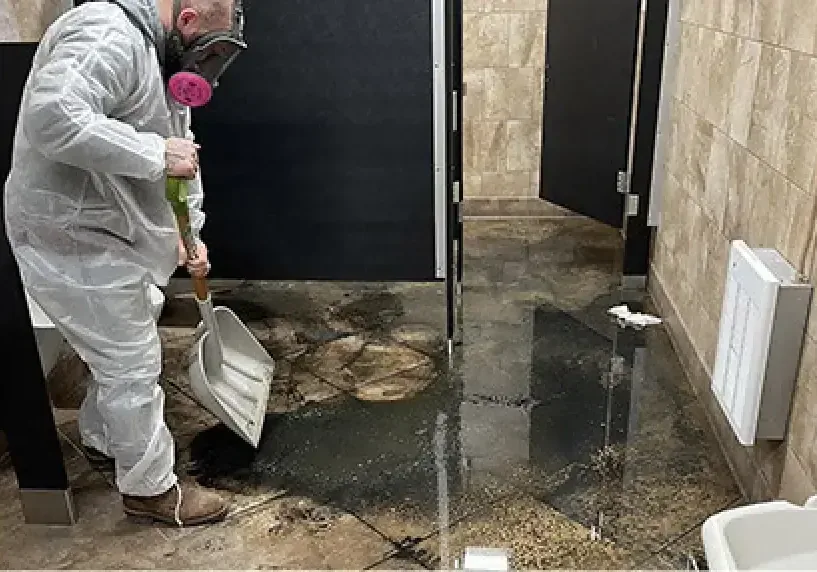
The crew extracts water and handles debris, documenting porous material removal and maintaining a controlled route between affected rooms and disposal.
- Step 3
Clean the remaining assembly
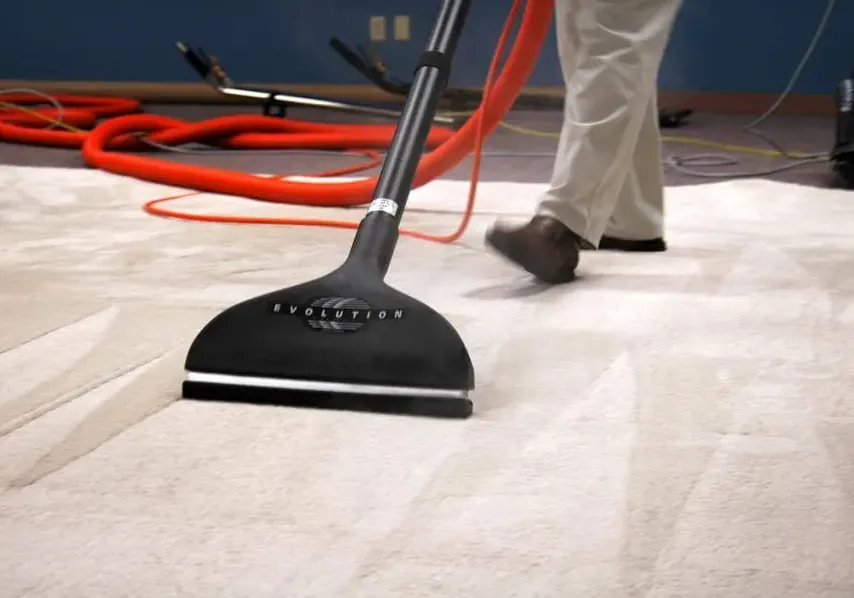
Suitable surfaces receive cleaning and any specified treatment before air movement, with product directions and work-zone separation shaping the next stage.
- Step 4
Dry and document
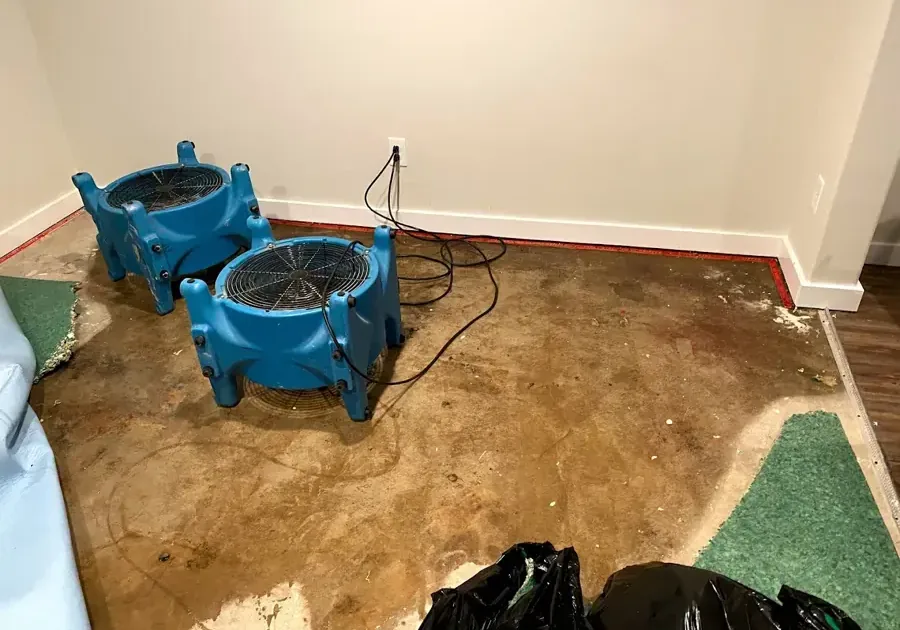
Material readings and indoor conditions guide equipment adjustment until the drying goal is met, with the final record separating completed mitigation from repairs.
Storm water entering through a doorway has a different history from a fresh indoor supply leak. Soil, debris and contaminants may travel with it. The crew assesses the entry route and affected materials before choosing recovery equipment or starting airflow inside the building.
Local flood context without guessing a property risk
CBS reported motorists trapped on a flooded Tarzana street, showing that standing street water can become an access hazard. The reported incident illustrates why floodwater on a street requires a cautious access decision. No property-specific flood zone follows from that report.
Caballero Canyon and Topanga State Park describe the southern setting, while Victory Boulevard marks the northern boundary. At any affected property, the technician documents the actual threshold, drain or opening that admitted water. Debris marks and moisture readings help trace the water from that opening into adjoining rooms.
Cleaning before air movement
- Crews identify contaminated porous materials and define their removal boundary.
- Recovered water and debris require appropriate handling and disposal.
- Remaining suitable surfaces receive cleaning before drying equipment operates.
- Records distinguish outdoor entry from unrelated pre-existing moisture.
Households should follow public access restrictions and never drive into floodwater to reach a property. Ready flood safety explains that precaution. EPA flood information provides additional cleanup context for affected buildings and water systems.
Tracking residual moisture after the mud is gone
Clean-looking surfaces can still conceal wet wall bases or underlayment. The drying team maps those remaining areas and compares material readings over time. Equipment selection accounts for the opened assembly and the indoor environment rather than simply the number of rooms.
Storm-loss records should show the entry route, water level where visible, material decisions and progress. Flood insurance and other property coverage can respond differently; the insurer determines which provisions apply. A mitigation scope describes the work without deciding the policy outcome.
Storm flood cleanup around Tarzana
Tarzana Water Damage Restoration covers ZIPs 91356 and 91357, including Mulholland Park and homes near Ventura Boulevard, Victory Boulevard, Lindley Avenue and Corbin Avenue. Crews assess the affected property and establish a safe equipment route before extraction begins.
Related drying and cleanup services
Storm Flood Cleanup questions in Tarzana, CA
Is outside water treated like a supply leak?
No. Outdoor floodwater can contain contaminants acquired before entry. The technician evaluates that history and the affected materials, so removal and cleaning requirements can differ substantially from a limited fresh supply-water loss.
Can someone return when the street drains?
Building hazards can remain after street water recedes. Official access directions, utilities and structural conditions still matter. Occupants should not enter affected rooms until the relevant hazards have been assessed.
Does a neighborhood landmark establish flood risk?
No. Caballero Canyon or a park boundary describes geography, not a parcel-level flood determination. The actual entry path and applicable flood mapping must be considered separately for a specific property.
Why remove porous materials before drying?
Contaminated water can penetrate materials that cannot be reliably cleaned in place. The crew assesses the affected assembly and documents the removal boundary before cleaning suitable remaining surfaces and starting controlled drying.
What if another storm is forecast?
The property representative should coordinate safe source protection or drainage work with the appropriate trade. The mitigation team records ongoing entry risks and adjusts the indoor work when new water changes the conditions.
What should the insurer receive?
Entry photographs, visible water marks, the contamination assessment, material decisions and the itemized scope help explain the event. The insurer applies the policy terms; ordinary property and flood coverage may treat the same loss differently.
Tarzana storm cleanup from entry to dry materials
The restoration team documents the path indoors, removes unsuitable materials and verifies drying after the affected surfaces are cleaned.
(888) 578-6508Arrange the storm-loss assessmentTarzana Water Damage Restoration
Tarzana, CA and Los Angeles County
(888) 578-6508 · open 24/7
Water and sewage losses only
Find us on Google