Water Damage Restoration in Calabasas
A wet room needs a clear next step. Calabasas water damage restoration begins with the source, the materials holding moisture and the safest route toward extraction, cleaning and a documented dry interior.
(888) 578-6508Discuss the wet roomsDescribe where water appeared, whether it continues flowing and any unsafe conditions before arranging access to the affected rooms.
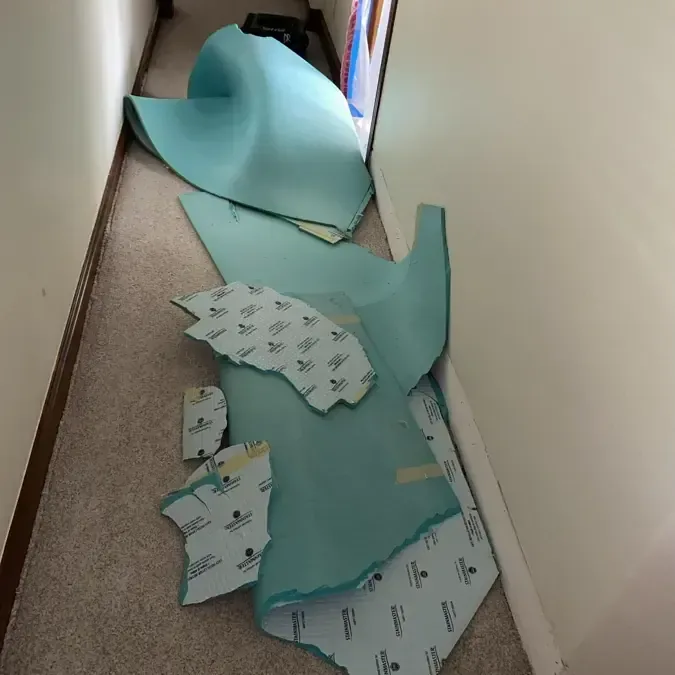
Different leaks need different cleanup decisions
Choose the starting point that matches the damage. A plumbing discharge, overhead stain or sewage release changes the inspection, material handling and drying work that follows.
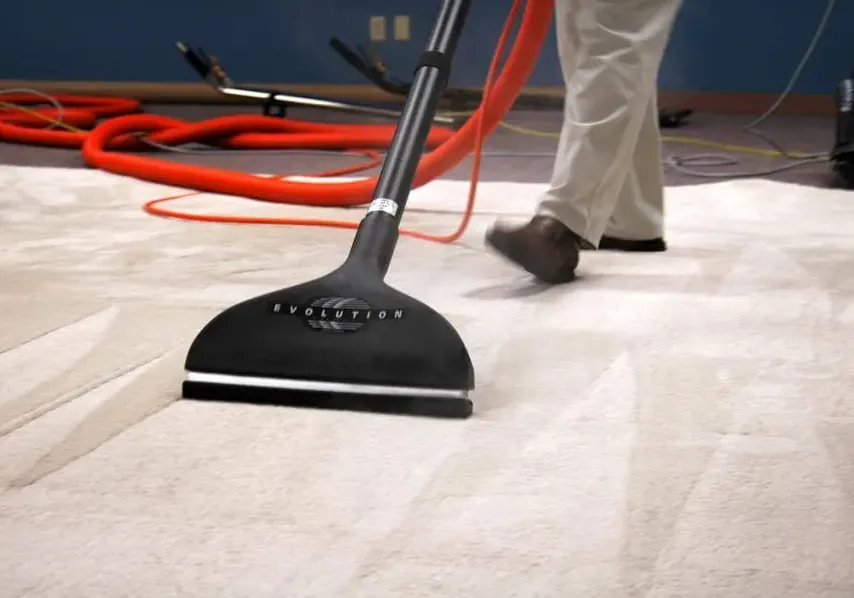
Water Extraction
Standing water leaves furniture legs and flooring exposed; extraction removes the accessible pool before trapped moisture receives separate attention.
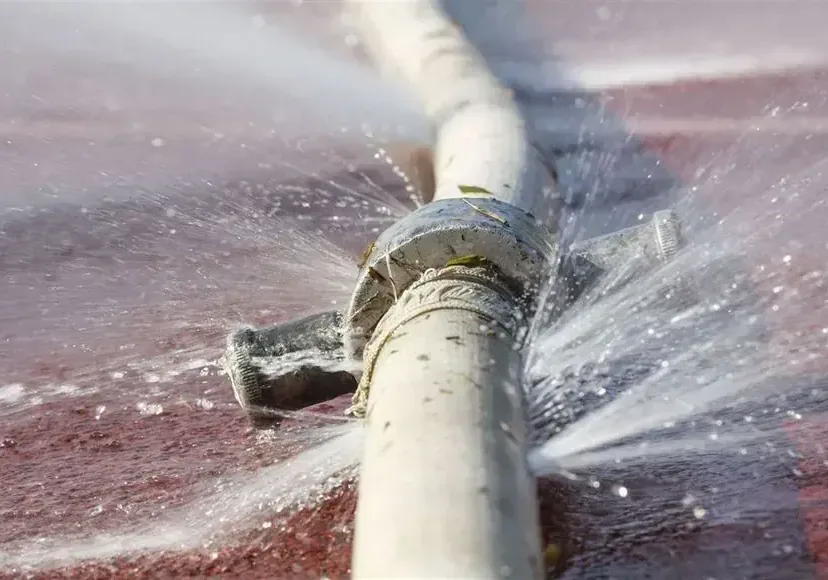
Burst Pipe Water Damage
A split supply pipe can spray behind finishes, making wall cavities as important as the puddle beneath the break.
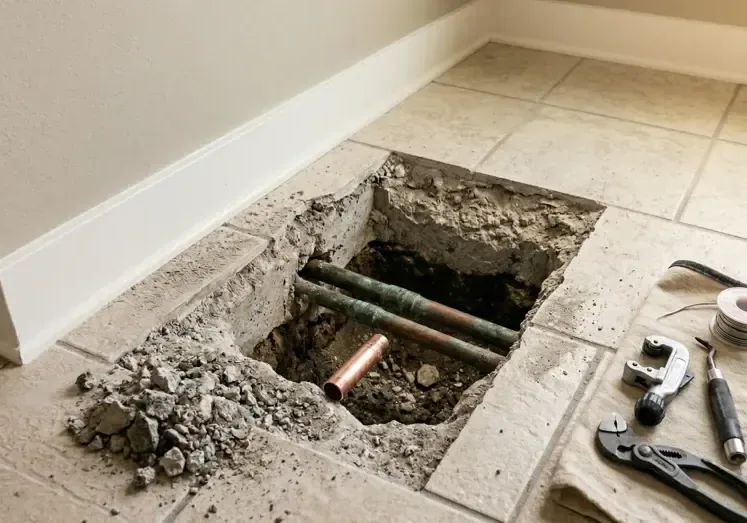
Slab Leak Water Damage
Moisture emerging at floor joints calls for source location and inspection beneath coverings before a repair area is closed.
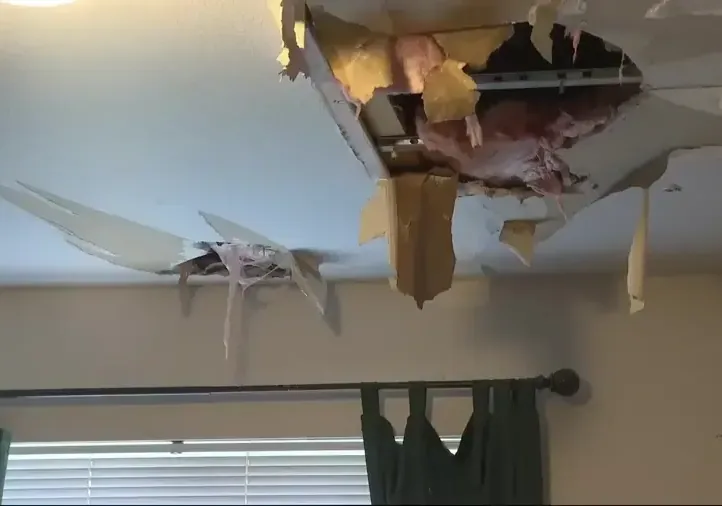
Ceiling Leak Water Damage
A ceiling stain may extend beyond the drip; overhead inspection follows wet insulation, wall edges and weakened drywall.
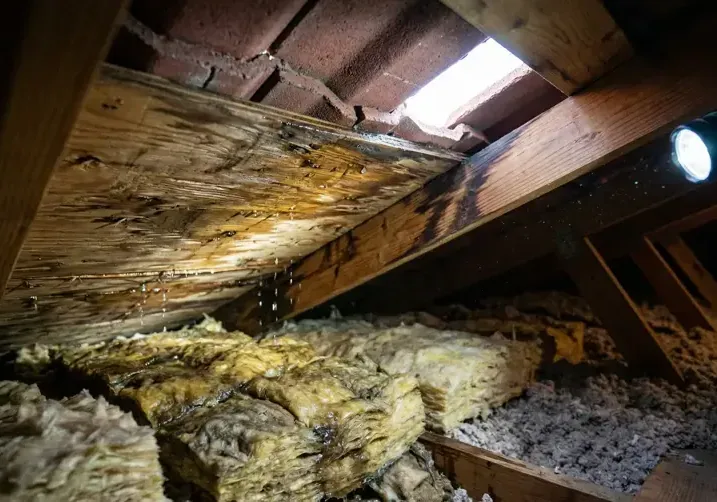
Roof Leak Water Damage
Rain entry requires coordinated roof repair and interior drying, with attic materials checked along the path water actually traveled.
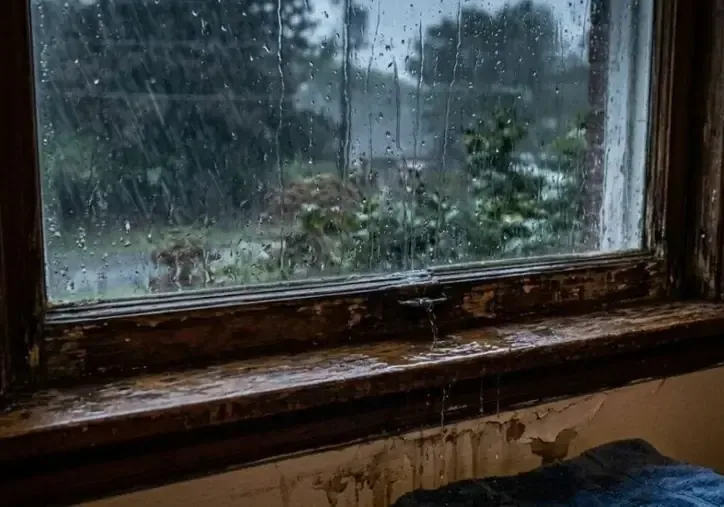
Storm Flood Cleanup
Outdoor water brings sediment across thresholds, requiring a cleanup plan that addresses contamination and soaked materials together.
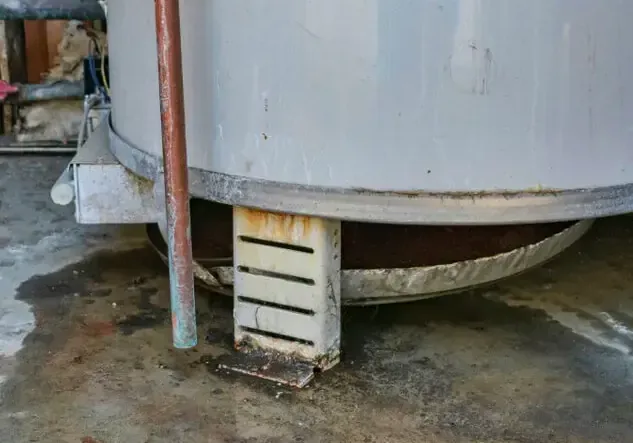
Water Heater Leak Cleanup
Water beneath a tank can enter nearby walls; cleanup tracks that spread while equipment repair addresses the source.
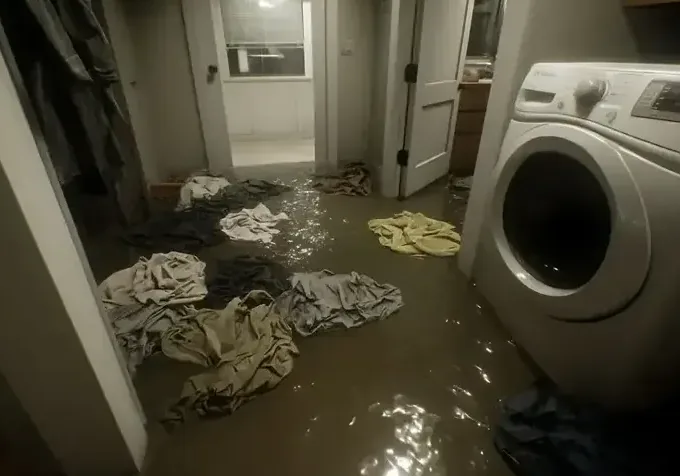
Appliance Leak Water Damage
Kitchen and laundry leaks often hide beneath cabinets, so accessible flooring and concealed edges need attention after shutoff.
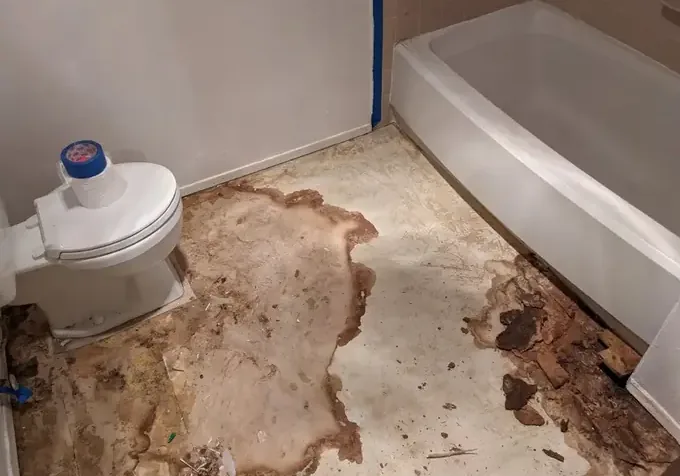
Toilet Overflow Cleanup
Overflow cleanup separates the affected bathroom from clean spaces and checks whether wastewater reached porous flooring or adjoining walls.
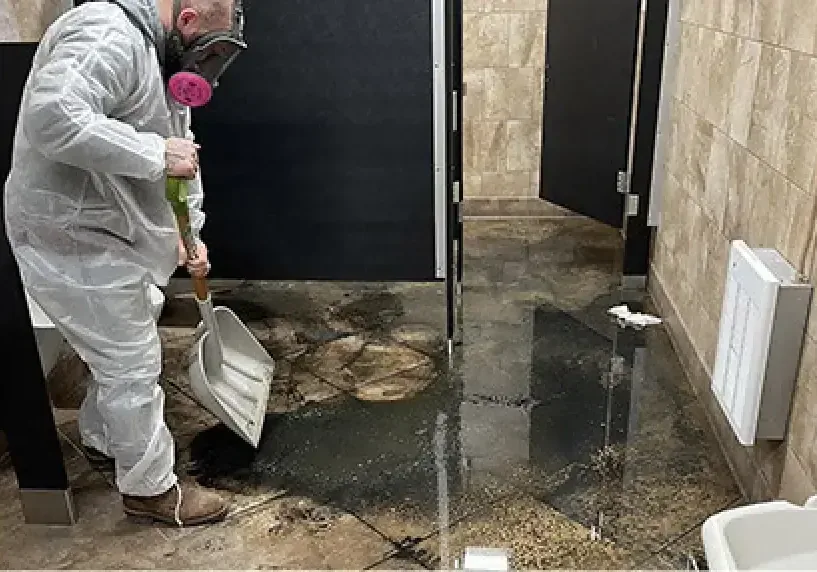
Sewage Backup Cleanup
A drain backup needs controlled removal, surface cleaning and careful decisions about materials that cannot be cleaned effectively.
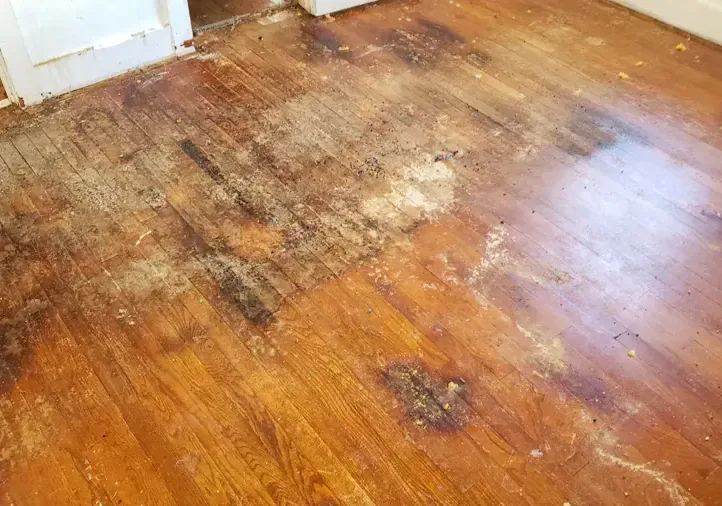
Hardwood Floor Water Damage
Raised board edges call for moisture measurements through the flooring assembly before drying, removal or refinishing decisions are made.
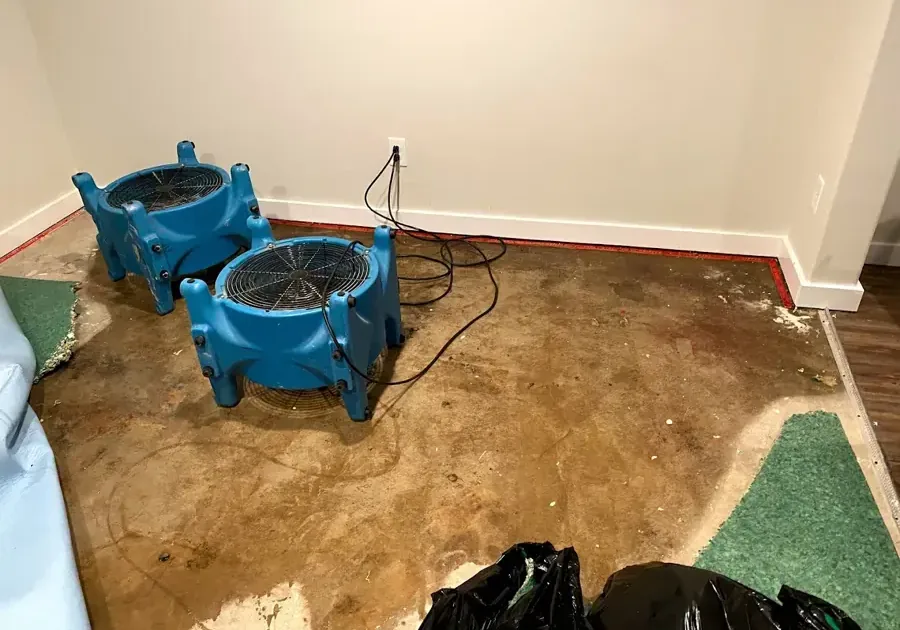
Structural Drying
Wall framing and covered substrates can remain damp after surfaces clear; equipment placement follows readings inside the affected assembly.
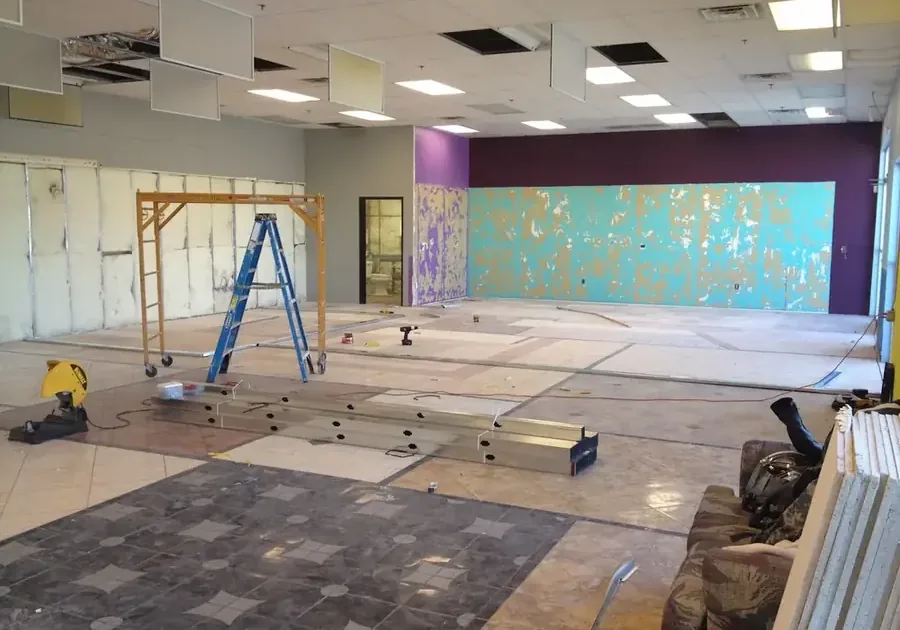
Commercial Water Damage
Business cleanup accounts for access, occupied work areas and damaged stock while defining the spaces that need isolation and drying.
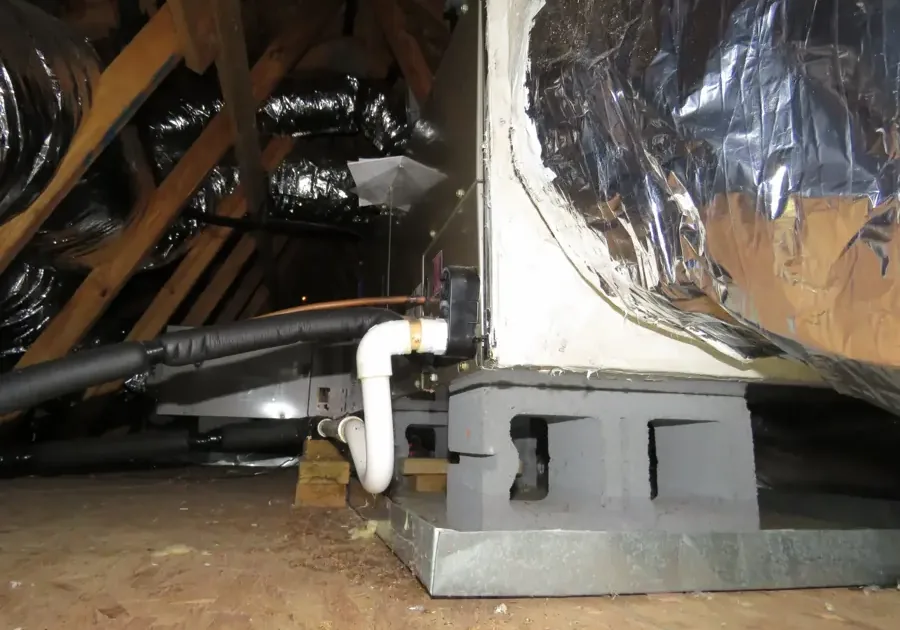
AC Condensate Water Damage
A leaking drain pan can wet ceilings quietly; drying follows the condensate path after the cooling system receives attention.
Make the first decisions from a safe place
- Stay clear of electrical hazards. Standing water around outlets or plugged appliances requires electrical assessment. Occupants should remain outside that area until safe access has been established.
- Stop an accessible source. An identifiable shutoff may limit a supply leak when reached safely. A blocked drain or roof opening needs the appropriate repair professional.
- Record the visible spread. Photographs taken from dry flooring can capture water boundaries, damaged possessions and the apparent origin without moving soaked materials through clean rooms.
- Separate affected belongings. Dry belongings can move away from nearby wet surfaces when access is safe. Wastewater exposed items should remain isolated for a handling decision.
- Describe access and conditions. The cleanup request should identify the wet rooms, continued flow, ceiling movement and any restrictions on entering or moving equipment through the property.
A stain is only the visible part of a loss. Inspection connects surface observations with measurements so the work addresses moisture retained behind the finish.
Useful answers come from the wet assembly
Every loss begins with a different opening condition. Cleanup proceeds through safety, source control, water removal and drying, with the next task chosen from conditions inside the property.
- Step 1
Identify the active problem
The inspection distinguishes ongoing entry from water already inside, then records affected surfaces and barriers to safe access before equipment is positioned.
- Step 2
Remove water and unsalvageable material
Extraction clears accessible liquid. Material removal depends on contamination, damage and whether moisture can be reached through the existing assembly for effective drying.
- Step 3
Manage the drying environment
Air movement and moisture removal are matched to exposed materials, with attention to air paths around furniture, partitions and the edges of wet flooring.
- Step 4
Check readiness for the next trade
Final readings and remaining repair needs are documented so painting, flooring or cabinet work can begin with a clear understanding of the drying results.
A sequence that follows the water
Defined affected area
Moisture readings establish where the work belongs, including transitions into adjacent rooms that appear dry during a quick visual inspection of the property.
Material specific choices
Cabinet panels, carpet padding and wall framing respond differently to water. The work plan separates cleaning, drying and removal decisions for each affected component.
Source coordination
Repairing a leaking appliance or pipe and drying the surrounding structure are distinct tasks. Both need attention before damaged surfaces can be restored.
Documented progress
Followup measurements show how the assembly responds to equipment. A clear record supports decisions about adjustments and the point when drying equipment can leave.
What changes a Calabasas cleanup estimate?
Calabasas water damage work is priced around the wet area, contamination and access to concealed materials. These ranges illustrate different cleanup scopes; an inspection establishes equipment, removal needs and the repair work that requires a separate estimate.
The written scope should identify what the cleanup includes, how equipment is monitored and which plumbing, roof or finish repairs require separate arrangements.
Water quality shapes the material handling
Supply water discharge
A plumbing release calls for prompt source control and evaluation of the surfaces contacted, including any changes caused by prolonged exposure or accumulated debris.
Inspect the pipe damageUsed appliance water
Water leaving a working appliance can carry residues into nearby flooring. The cleanup approach depends on the cycle, the source and affected household materials.
Trace the appliance spillSewage or drain waste
Wastewater introduces handling concerns beyond visible dampness. The affected area needs controlled access, removal of unsuitable porous materials and cleaning before drying continues.
Understand wastewater handlingMaterials and equipment encountered during restoration
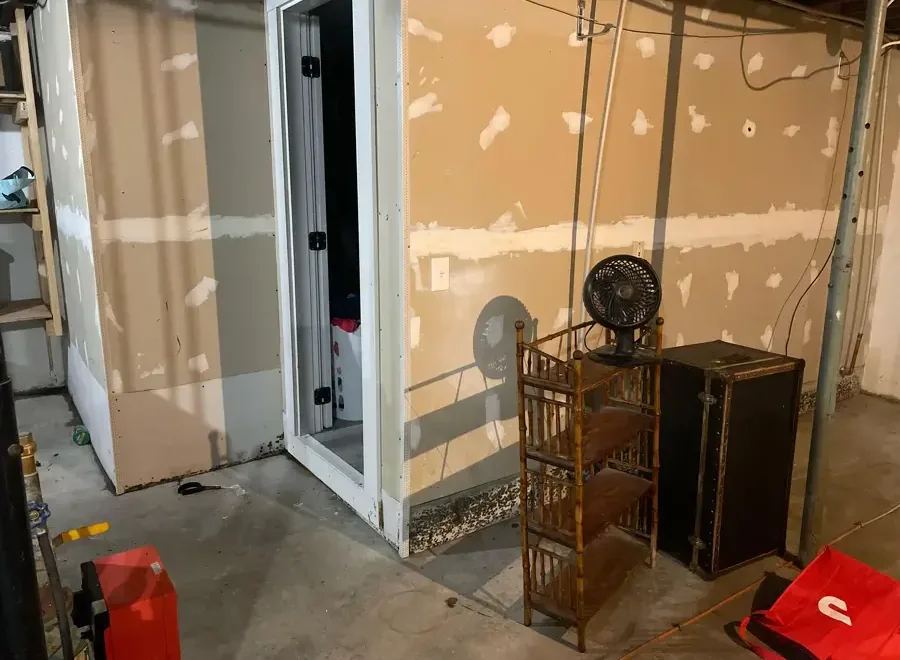
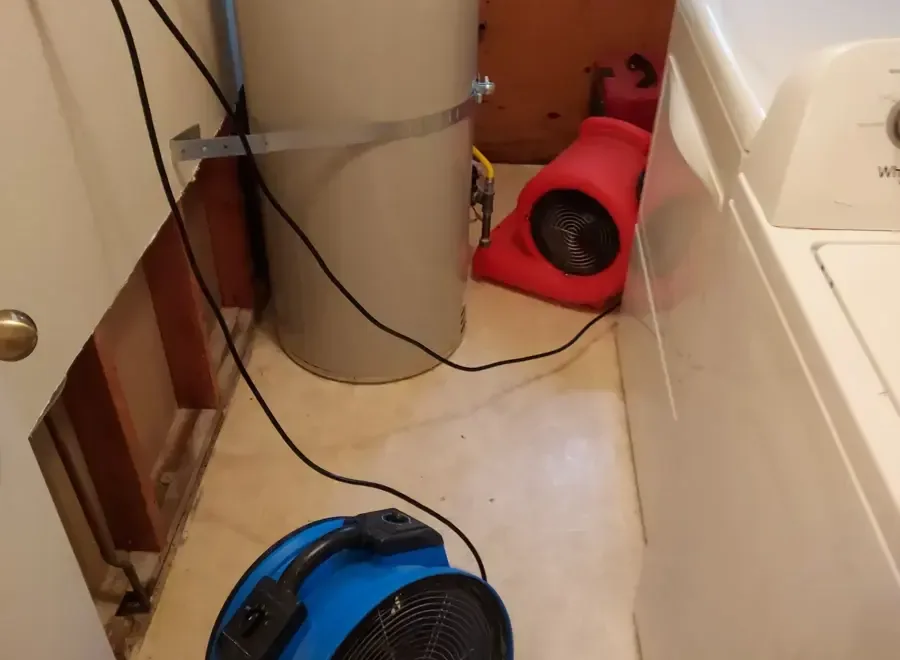
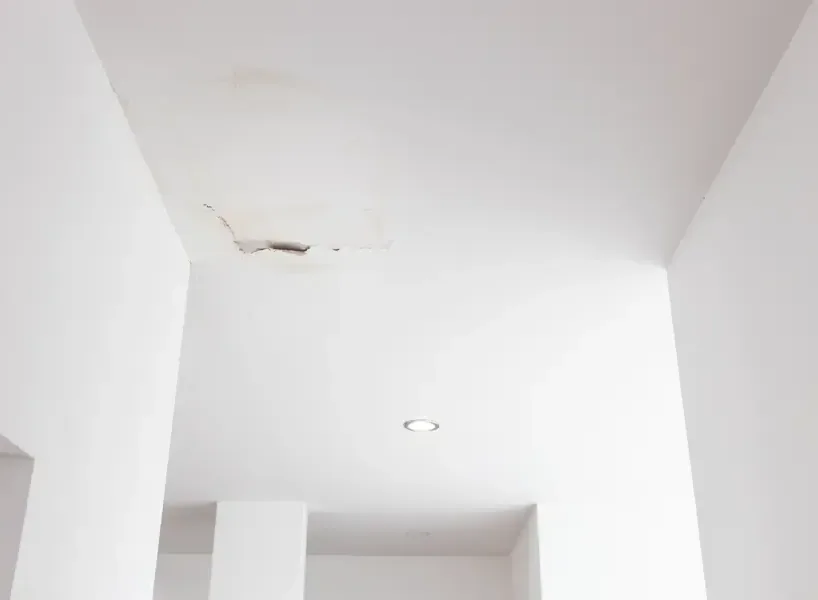
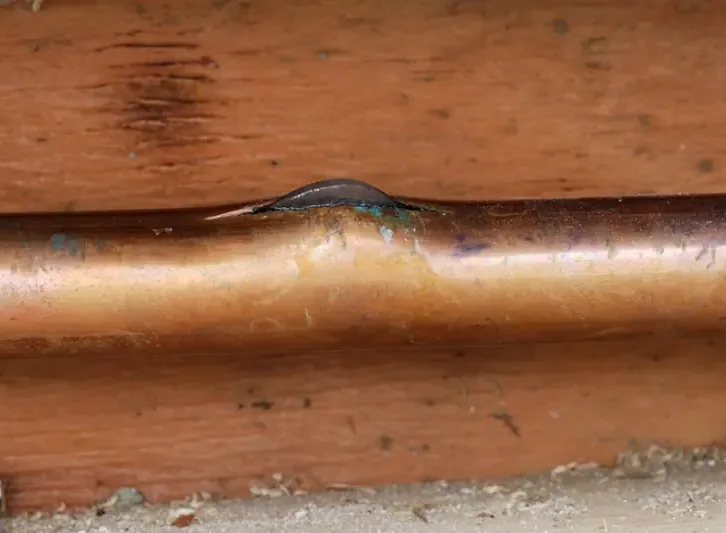
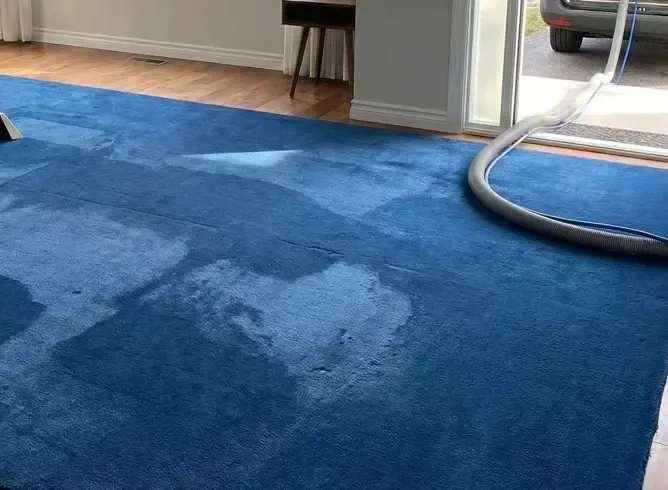
Document the loss as it unfolds
Photos, repair invoices and moisture records describe different parts of the event. Organizing them by room helps explain what happened and which work addressed the resulting damage.
- Photograph the first visible water boundary
- Record when the leak was discovered
- Keep source repair invoices and findings
- List affected belongings by their room
- Save drying measurements and cleanup scope
When paying for cleanup directly
A property owner paying directly can request the same written scope and progress records. An itemized proposal makes equipment use, material handling and remaining restoration work easier to understand.
Before approving changes, the owner can ask what condition changed, why additional work is needed and how that change affects the next stage of repairs.
Serving Calabasas properties
Access corridors
Las Virgenes Road, Lost Hills Road, Agoura Road, Mulholland Highway, Valley Circle Boulevard
ZIP areas
91301, 91302
Other service areas
Share the room and the access details
Park Moderne includes the Bird Streets, while Saratoga Hills and Steeplechase connect to Lost Hills Road. A property description helps establish the correct access point.
For occupied homes, the initial discussion can cover pets, gate access and spaces that must remain usable while equipment operates in the damaged portion of the interior.
Calabasas, CA · [email protected]
(888) 578-6508Discuss access for water cleanupLocal context for a wet room
Calabasas has mild, relatively wet winters and hot, dry summers. Seasonal conditions shape initial inspection questions, while the actual water path determines which materials need work inside each property.
Winter rain entry
During the wetter season, a stain appearing after rain calls for attention to roof openings, penetrations and the interior surfaces beneath the actual entry point.
Summer condensate escape
Cooling equipment produces condensate during operation. A wet drain pan or ceiling beneath equipment requires attention to the drainage fault and the surrounding building materials.
Moisture beneath finishes
A dry looking floor can cover a wet substrate. Readings at seams and perimeter edges help determine whether moisture has traveled beneath the visible floor finish.
Shared rental decisions
Both rental and owner occupied homes are present locally. Access permission, appliance repair and authorization for opening damaged surfaces should be settled early in the cleanup.
Business interior disruption
The Commons at Calabasas and the Agoura Road business corridor bring different occupancy needs. Restoration planning should identify entrances, affected rooms and any spaces remaining in use.
- September 13, 2026: A water main break closed Las Virgenes Road between Mulholland Highway and Lost Hills Road. Public Works personnel responded to the reported break and resulting road closure.
Questions after water appears
What should happen before furniture is moved?
Safe access comes first, especially near electrical equipment or a weakened ceiling. Clean belongings can be protected when reachable from dry flooring; wastewater exposed items need a separate handling plan before they move.
Does a dry surface mean the room is ready?
Moisture may remain below flooring or inside wall cavities after surface water disappears. Readings through the affected assembly help establish whether drying is complete and whether repairs can proceed without covering retained moisture.
Can cleanup start before an insurance decision?
The property owner can discuss authorization and documentation while contacting the carrier. Coverage depends on the policy and event, so the cleanup scope and payment arrangements should be clear before work is approved.
Who handles the original plumbing failure?
A plumbing professional addresses the failed pipe, valve or connection. Restoration work handles the resulting water and damaged materials, with coordination between those tasks to prevent new discharge into an area already being dried.
Is a ceiling stain always a roof leak?
Water above a ceiling can come from plumbing, cooling equipment or exterior entry. The inspection follows the wet path and checks the space above it before deciding which repair trade needs to address the source.
How are drying machines placed around occupied rooms?
Equipment needs working clearance and an effective air path. The layout should protect access routes and separate wet work from usable spaces, with placement adjusted as readings reveal how the affected materials respond.
What happens to carpet touched by sewage?
Porous materials contacted by sewage require a contamination assessment and may need removal. Cleaning the visible surface alone does not address water held in padding or other layers beneath the carpet and its edges.
Are replacements included in the cleanup estimate?
The proposal should distinguish extraction, cleaning and drying from rebuilding finishes or replacing appliances. Separate repair items help the owner understand what happens after drying and which decisions require another trade or authorization.
What information helps with a business cleanup?
The affected rooms, equipment hazards, operating hours and contact person are useful starting details. A business should also identify access restrictions and any inventory that needs careful handling before water removal or material opening begins.
Give the water damage a clear next step
A description of the source and wet spaces starts the discussion. Inspection then turns those observations into a practical removal and drying plan.
(888) 578-6508Arrange a water damage assessmentTarzana Water Damage Restoration
Tarzana, CA and Los Angeles County
(888) 578-6508 · open 24/7
Water and sewage losses only
Find us on Google