San Fernando Water Damage Restoration
A spreading puddle changes a household's plans immediately. Water damage restoration starts with the source, the rooms reached and the materials still holding moisture, so the next decision addresses the actual problem.
(888) 578-6508Discuss the wet roomsDescribe where water appeared, whether it continues flowing and which rooms remain safely accessible when calling for restoration help.
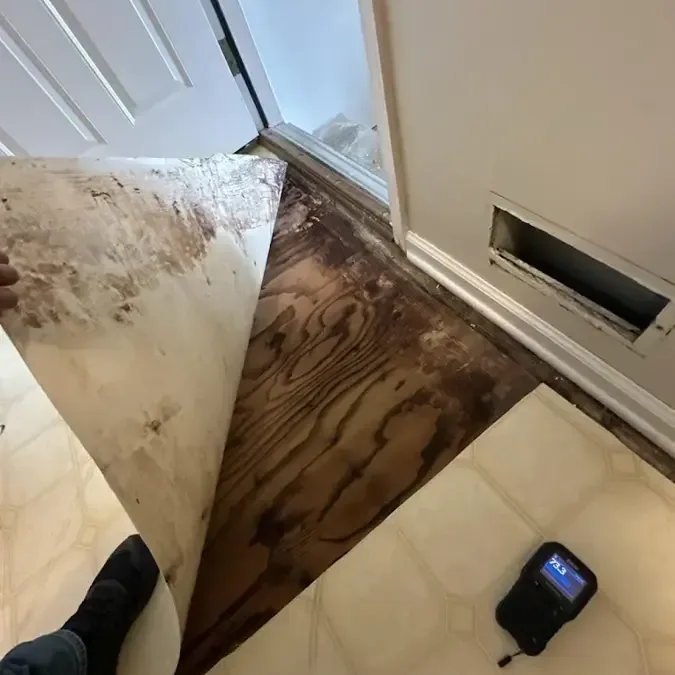
Cleanup for the water source involved
A supply pipe, overflowing fixture and rain entry leave different cleanup needs. Select the closest situation to understand removal, access and drying decisions before repairs begin.
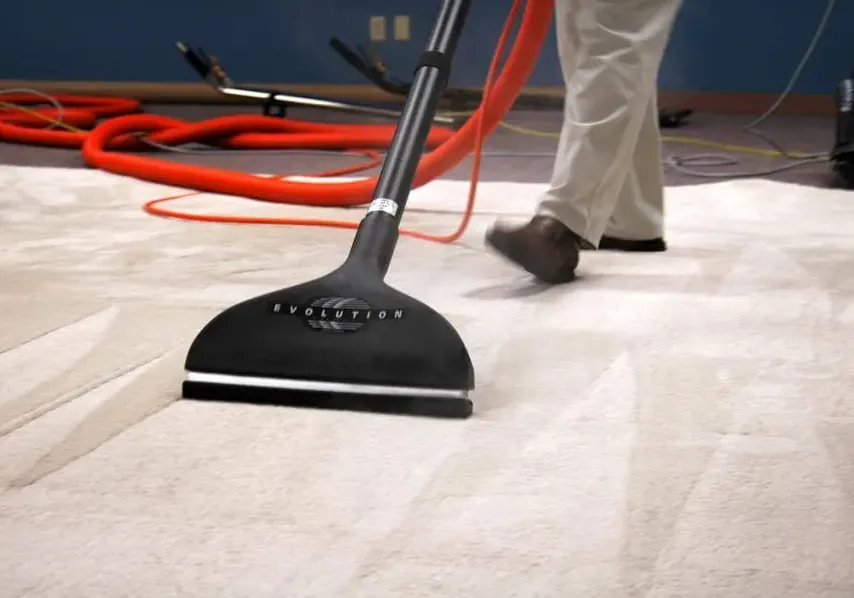
Water Extraction
Standing pools need removal before damp floor coverings can be assessed. Explore equipment choices for water trapped indoors.
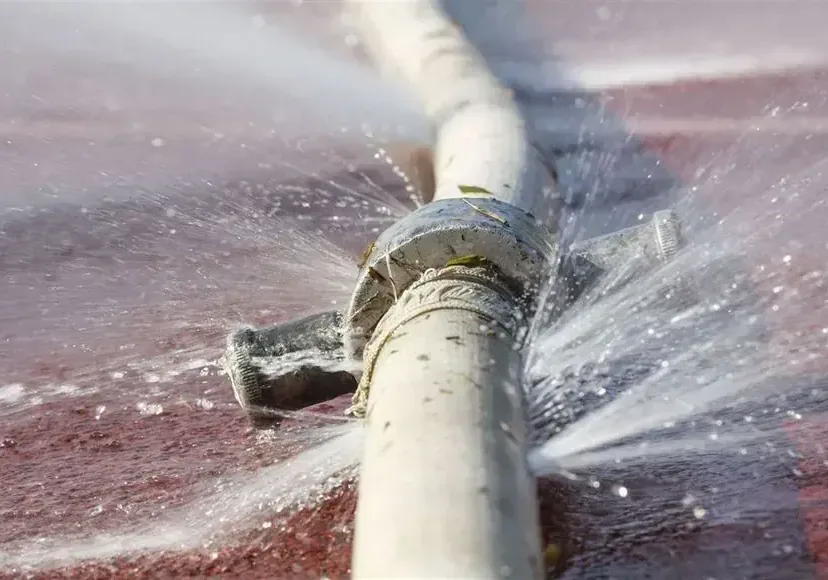
Burst Pipe Water Damage
A broken supply connection can wet several rooms quickly. Trace the discharge from the pipe into neighboring materials.
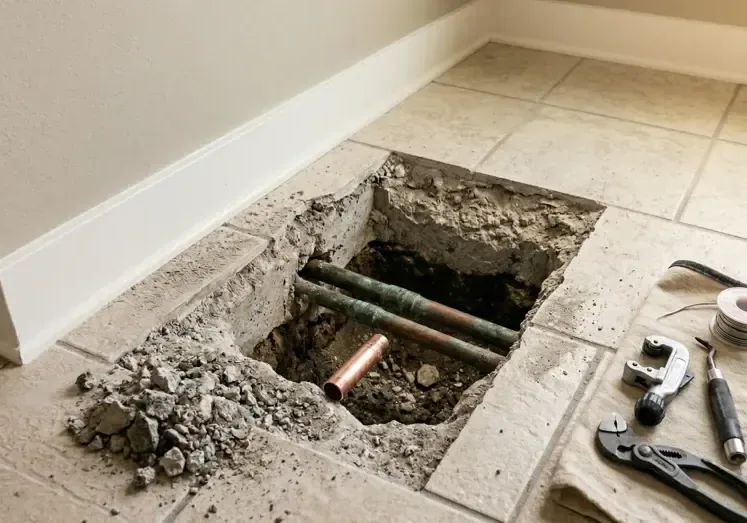
Slab Leak Water Damage
Moisture beneath flooring needs a careful boundary check. Separate plumbing access from the drying work around a slab.
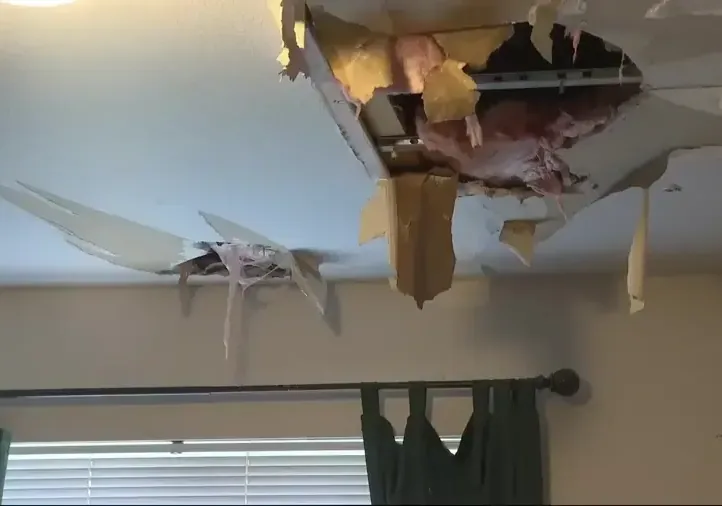
Ceiling Leak Water Damage
A sagging overhead patch deserves a restricted room. Learn how damaged ceiling materials and concealed moisture are assessed.
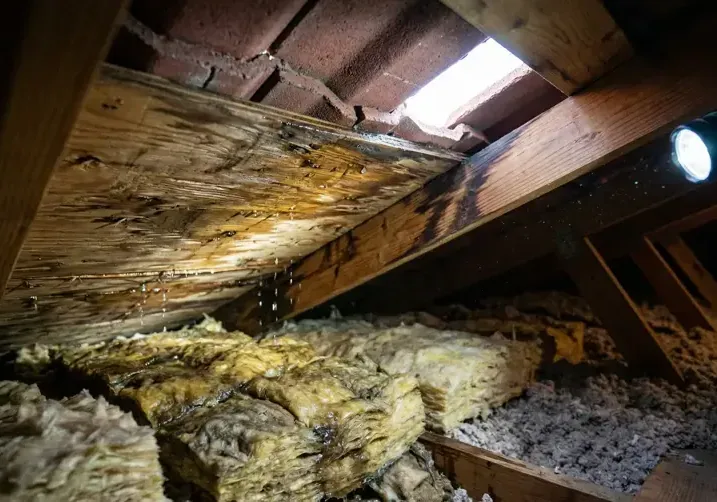
Roof Leak Water Damage
Rain can travel along roof framing before appearing indoors. Follow the wet path through insulation, ceilings and walls.
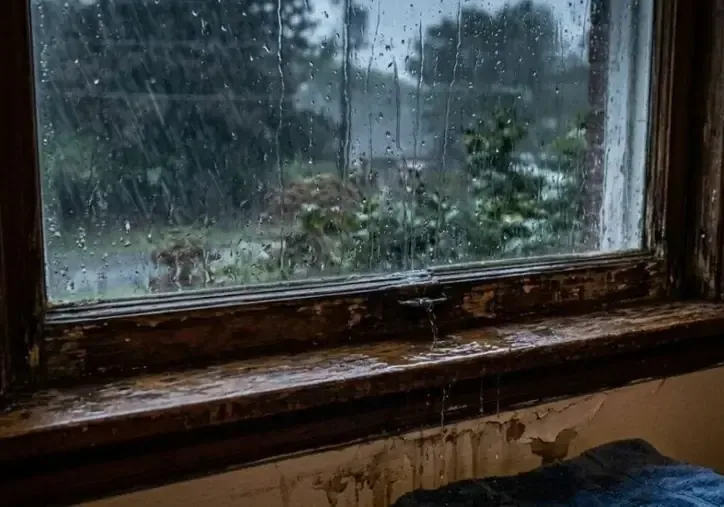
Storm Flood Cleanup
Water arriving from outdoors brings dirt into occupied spaces. Plan removal and cleaning around the affected building surfaces.
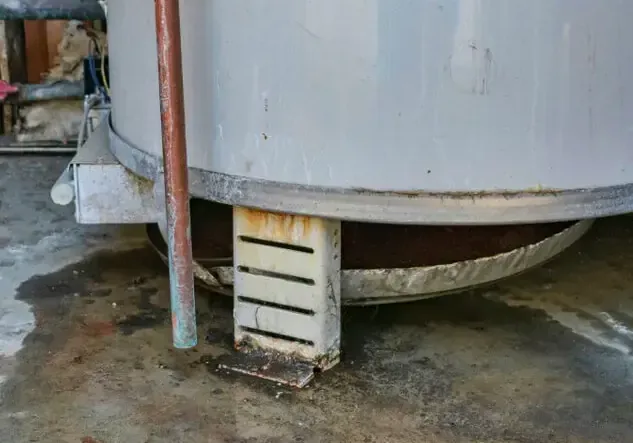
Water Heater Leak Cleanup
A puddle beside the tank can reach closet walls. Identify the wet platform and nearby floor before replacement.
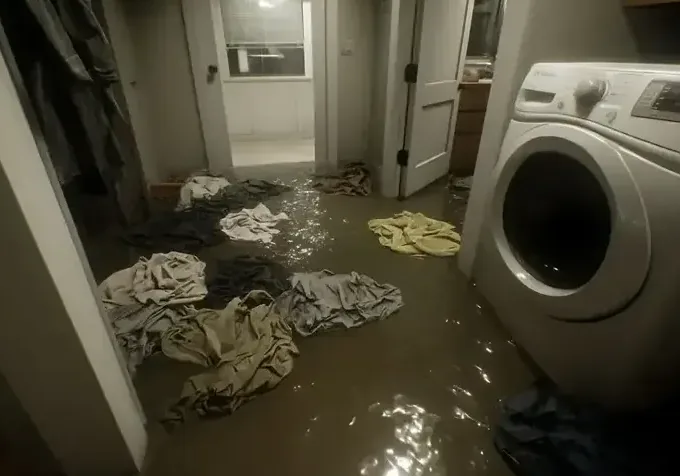
Appliance Leak Water Damage
Kitchen and laundry leaks hide beneath equipment and cabinets. Check toe kicks, flooring seams and adjoining room thresholds.
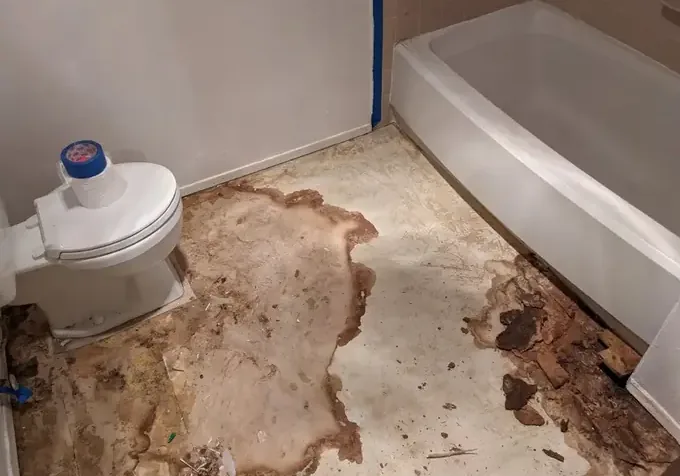
Toilet Overflow Cleanup
An overflowing bowl changes how a bathroom should be handled. Keep foot traffic away while wastewater cleanup is arranged.
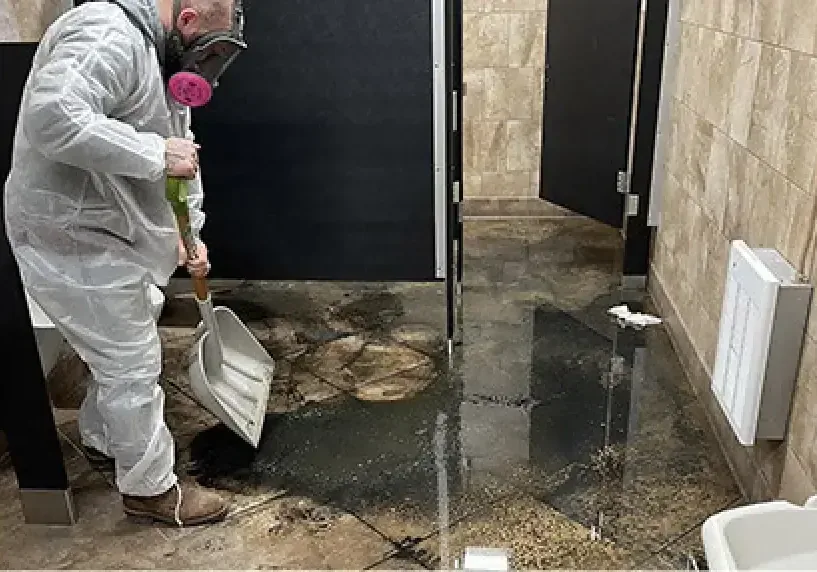
Sewage Backup Cleanup
Returning wastewater requires controlled access and careful material removal. Separate drain correction from cleaning the spaces it reached.
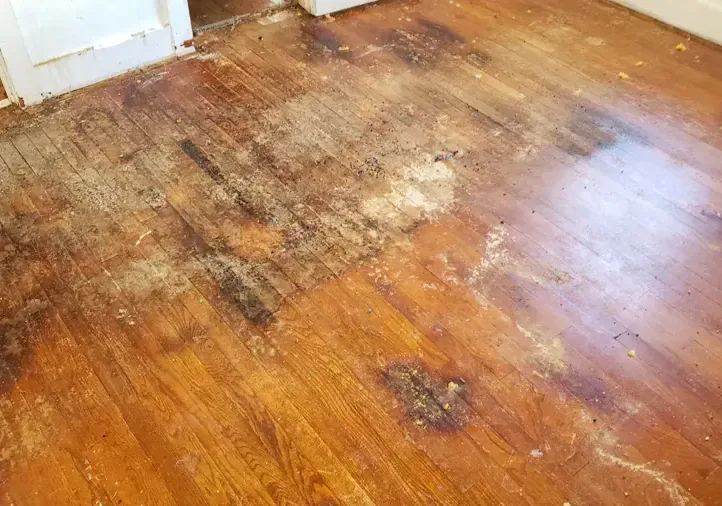
Hardwood Floor Water Damage
Raised board edges need moisture measurements through the floor assembly. Assess drying potential before planning sanding or replacement.
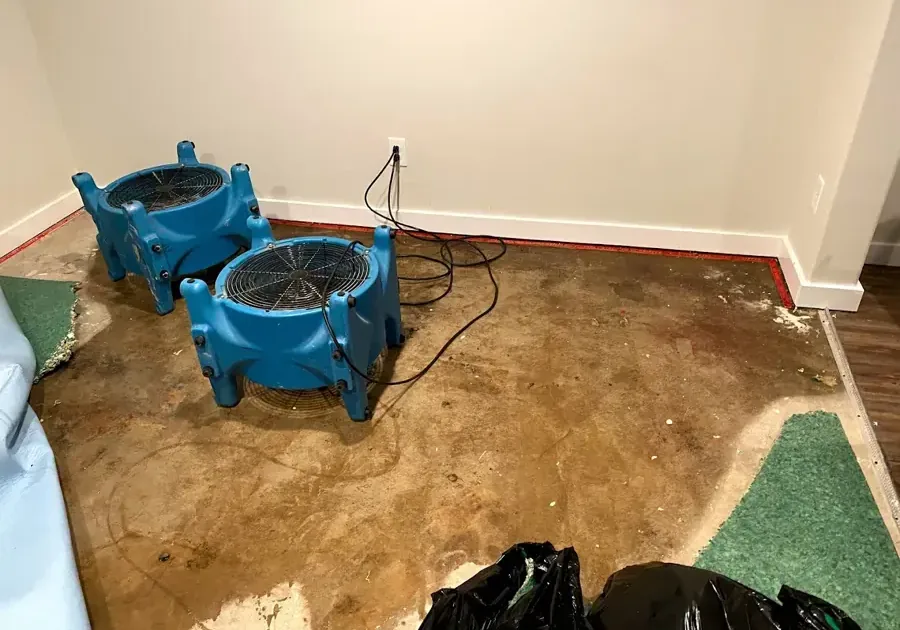
Structural Drying
Framing and substrates may stay wet after surfaces look better. Track their progress with equipment and repeat measurements.
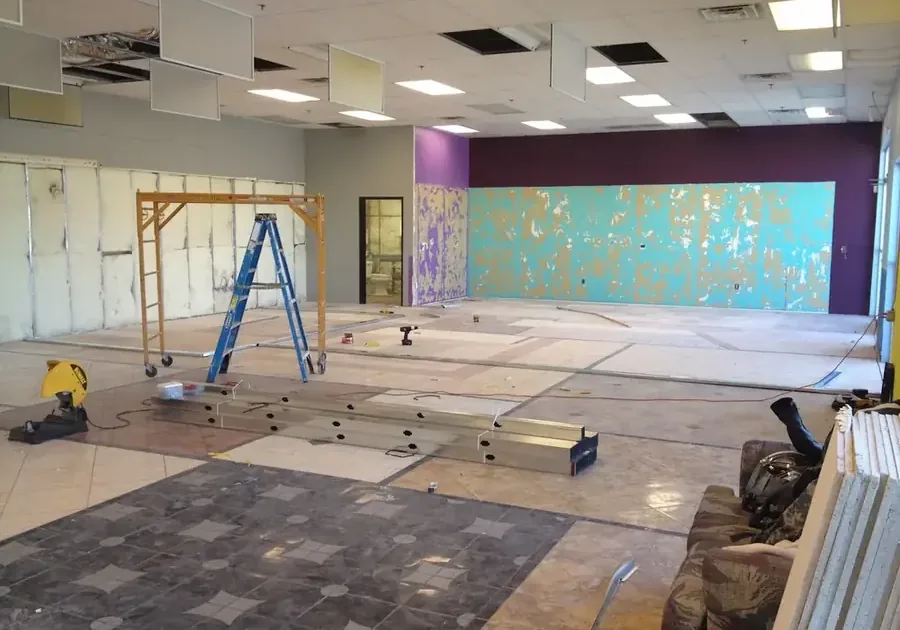
Commercial Water Damage
Business interiors need a plan for stock, occupants and access. Organize cleanup around the specific rooms affected today.
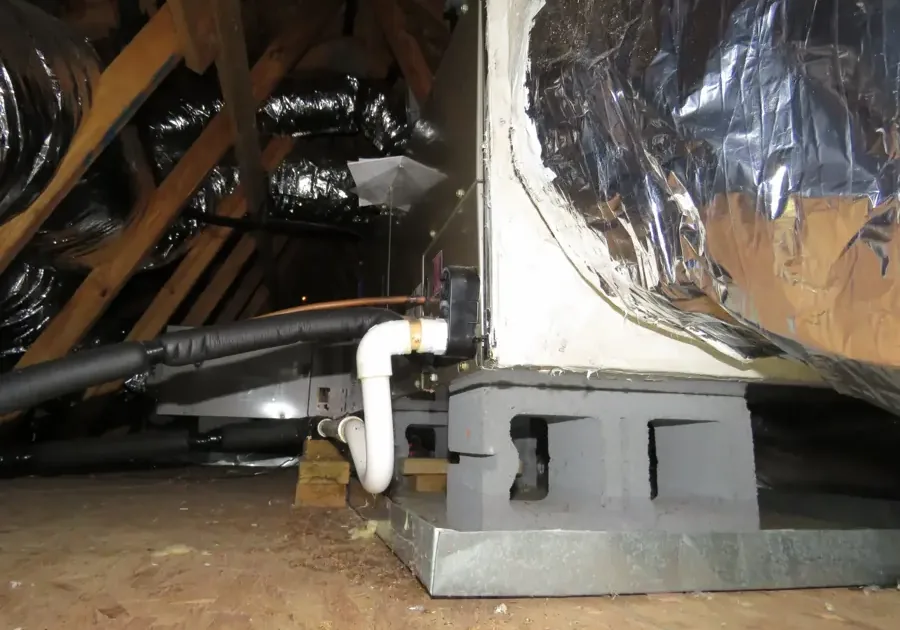
AC Condensate Water Damage
Air conditioning drainage can soak hidden insulation and ceiling cavities. Address the equipment fault and the separate wet materials.
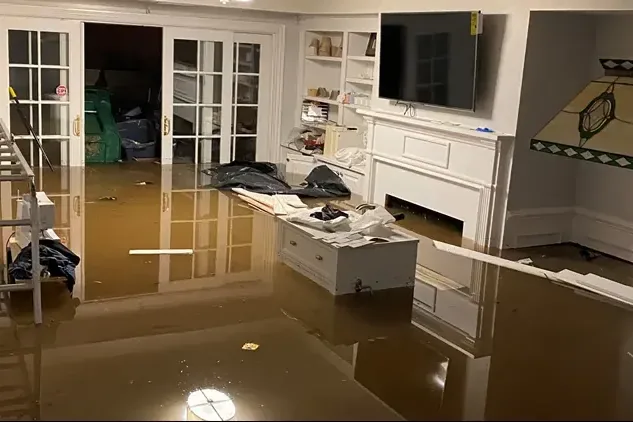
Make the area safer and preserve useful details
- Keep people clear. Block access to wet rooms when ceilings sag, outlets are involved or wastewater is present. Children and pets need another route.
- Stop a reachable source. Close an accessible fixture valve only from a dry position. Leave electrical equipment, hot tanks and unstable surfaces to the appropriate professional.
- Photograph the spread. Record the first visible water, affected belongings and adjoining thresholds from safe ground. Wide photographs help connect close views to particular rooms.
- Arrange property access. Tell the owner or manager which door is usable and whether another unit may be affected. Share entry arrangements before equipment arrives.
- Record changes over time. Note whether a puddle returns after the fixture stops running. That detail helps distinguish leftover moisture from an active discharge during assessment.
A useful restoration plan connects each action to an observed condition. Wet materials, safe access and drying progress should remain understandable throughout the work at the property.
Know what each cleanup step accomplishes
Work follows the water's route through the building. A dry looking finish does not end the job while framing, padding or substrate beneath it remains wet.
- Step 1
Locate the entry point
Identify the active source and establish a safe work area. Mark affected rooms before moving equipment or disturbing damaged finishes inside the building.
- Step 2
Recover water and debris
Remove standing liquid with equipment suited to the space. Separate contents from wet building materials so access remains manageable during the next phase.
- Step 3
Expose what needs drying
Check layers beneath the surface and explain necessary openings. Air movement and moisture removal must reach the materials that actually remain damp.
- Step 4
Document the drying endpoint
Compare final readings with suitable dry references. Record any remaining repair needs and explain which surfaces are ready for the rebuilding contractor to address.
A practical sequence through the affected rooms
Visible boundaries
A room sketch and moisture readings show where the wet area ends, including concealed edges that photographs alone may miss during cleanup.
Source separation
Plumbing or roof correction addresses incoming water; extraction and drying address the building. Each task needs a clear place in the planned sequence.
Material decisions
The condition and contamination of an assembly determine whether cleaning, drying or removal is appropriate. Explain those choices before altering the room.
Recorded progress
Followup measurements connect equipment changes to actual moisture reduction. Keep those records with photographs and the written scope for later repair decisions.
What influences water damage costs in San Fernando?
A contained leak and wastewater spread across rooms require different amounts of labor. The scope depends on access, affected layers, cleaning requirements and drying progress. A property assessment turns these planning ranges into an itemized proposal.
Separate emergency mitigation from source repair and reconstruction when comparing proposals. Ask which labor, equipment, disposal and moisture documentation each quoted amount includes before authorizing work.
Identify how the water entered the building
Pressurized plumbing release
A pipe break may continue feeding the damage until isolated. The cleanup plan follows wet cavities beyond the visible puddle around the fixture.
Trace the pipe dischargeEquipment related leak
Water escaping an appliance can disappear under cabinets. Accessible controls, equipment condition and hidden floor layers shape the next inspection and drying decisions.
Check beneath the applianceReturning wastewater indoors
A backed up drain can leave contamination on porous finishes. Keep the affected area separate while removal and appropriate cleaning methods are established.
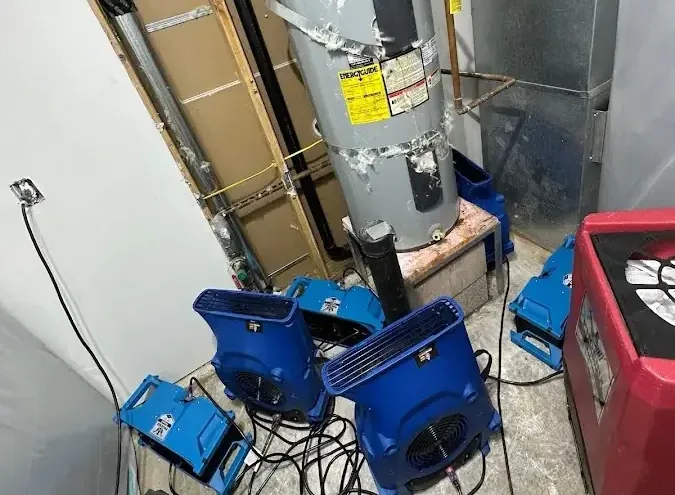
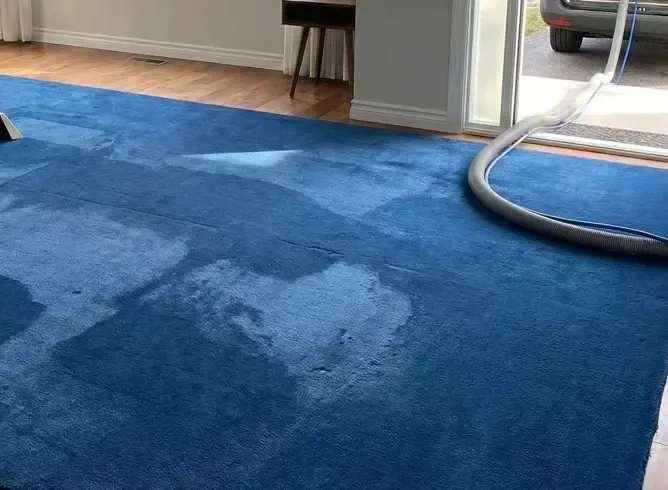
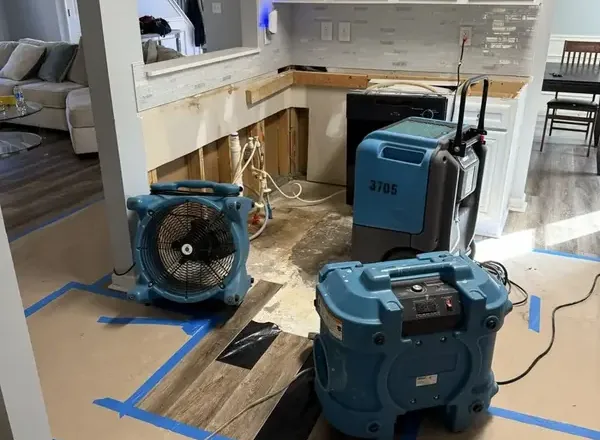
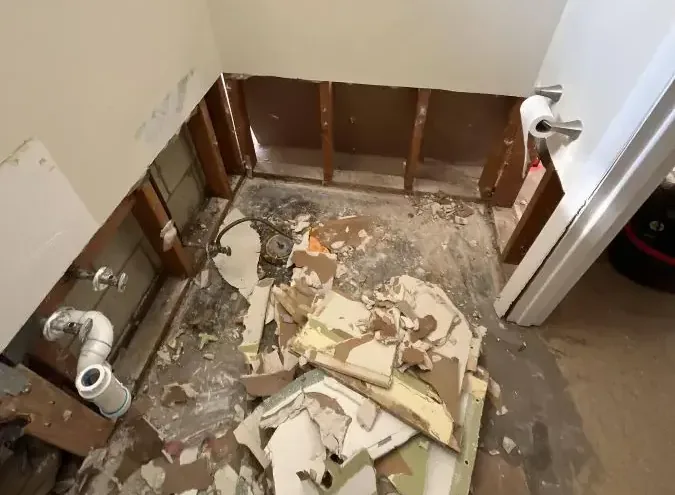
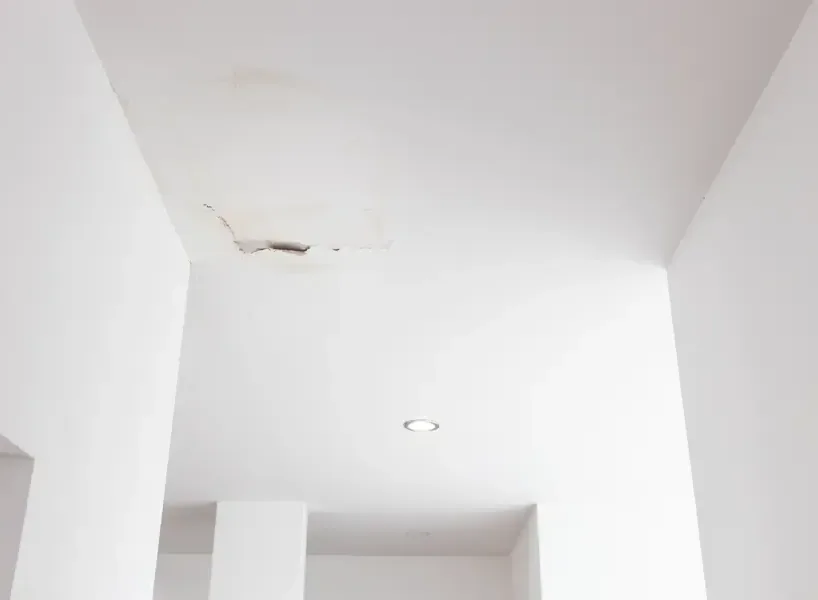
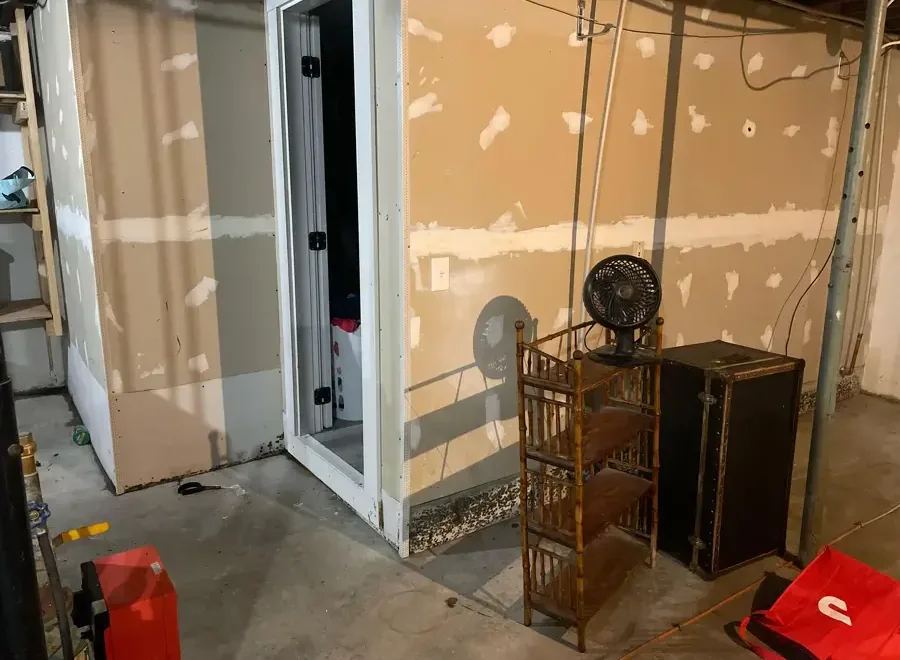
Contain the wastewater areaWhat extraction and drying can look like indoors
Build a usable claim record
An insurer needs a clear account of what happened and what was damaged. Preserve observations and invoices while the cleanup plan develops, then ask the insurer about the policy's requirements.
- Photos showing the first visible water
- Notes describing the discovery and source
- A room list with affected belongings
- Written estimates separating the proposed tasks
- Receipts for completed mitigation and repairs
When paying directly for cleanup
A household handling the expense directly still benefits from a written scope. Ask how equipment use, material removal and followup visits are recorded, and identify any work requiring a separate trade.
Decisions can then follow the actual damage. Compare proposals by included tasks and drying documentation instead of judging the work solely by the headline amount.
San Fernando property access
Streets and community landmarks
Glenoaks Boulevard, First Street, Arroyo Avenue, North Maclay Avenue, Las Palmas Park, Layne Park
ZIP areas
91340, 91342
Other town pages
Share the building entrance and affected room
San Fernando is an incorporated city surrounded by Los Angeles. A complete property location helps distinguish the city from the wider valley when arranging an assessment.
ZIP areas overlap municipal boundaries. Describe the usable entrance, any locked gate and the rooms involved so property access can be coordinated with the responsible occupant.
San Fernando, CA · [email protected]
(888) 578-6508Discuss city property accessDifferent sources need different responses
The city has a documented history of rain collecting at recreation facilities. Indoor pipe, equipment and fixture leaks also need careful assessment of the particular rooms and materials that became wet.
Storm drainage
The park infiltration project was designed to collect runoff from three storm drains. Indoors, track water entering doorways or low openings before beginning cleanup.
Connected channels
The infiltration project's purposes include protecting Pacoima Wash and the Los Angeles River from runoff impurities. Water arriving from outside needs its contamination assessed before drying.
Concealed pipe leakage
The City of San Fernando maintains its own water supply. Within a property, a leaking connection may wet walls and flooring beyond the visible source.
Shared occupancy decisions
The historical housing record includes owners and renters. When a leak affects occupied rooms, coordinate permission, access and notices to other occupants before opening building materials.
Spaces beneath finishes
A dry surface can conceal water in padding, cabinets or insulation. Moisture measurements help identify the deeper layers that need access and continued drying after extraction.
- March 28, 2022: Rain flooded the baseball field and recreation area at San Fernando Recreation Park. The event offers a specific example of outdoor water accumulation during wet weather.
Questions after discovering water indoors
What information helps during the first conversation?
The most useful details are where water appeared, whether it continues entering and what materials are wet. Mention ceiling movement, electrical concerns or wastewater before discussing access to the building with the coordinator.
Does clear water always allow normal room use?
Appearance alone cannot settle the handling decision. The source, time in the building and surfaces contacted all matter. Keep occupants out when electrical hazards, slipping risks or unstable finishes make the room unsafe.
Can soaked carpeting stay in place during drying?
That depends on the water involved and the condition of the carpet, padding and substrate. An assessment should address each layer separately because water removal from the pile may leave the material underneath saturated.
Who should be notified at a rented property?
Notify the owner or property manager promptly and document the report. Explain which rooms are affected, request access coordination and preserve photographs. Emergency safety measures and permissions for opening materials should be discussed clearly.
Will the cleanup proposal include plumbing repairs?
The proposal should identify what is included. A plumber may handle the failed fitting while restoration addresses affected finishes and drying. Keeping those responsibilities explicit helps prevent a repaired source from leaving concealed moisture behind.
How is the drying equipment removed at the end?
Equipment removal should follow material readings and a documented endpoint. The technician checks the affected assemblies against appropriate dry references, then records remaining repairs so reconstruction can proceed with a clear understanding of conditions.
Should furniture be moved through a wet hallway?
Avoid carrying belongings through water or under a damaged ceiling. If a dry route exists, discuss protecting contents and access first. Heavy furniture and contaminated items may require controlled handling within the cleanup work area.
Can the insurer decide coverage before the assessment?
Coverage depends on policy terms and the circumstances reported to the insurer. An assessment supplies damage details and proposed work; it does not replace the insurer's decision. Keep photographs, estimates and receipts together.
Does outdoor flooding require different interior cleanup?
Runoff can carry dirt and contaminants into porous materials. Cleanup may therefore involve removal and cleaning before drying begins. Report the outdoor entry point and avoid spreading tracked debris into dry parts of the property.
Turn the first observations into a cleanup plan
Water inside the building needs a clear next step. Describe the damage and arrange an assessment of the source, affected materials and access.
(888) 578-6508Discuss the next cleanup stepTarzana Water Damage Restoration
Tarzana, CA and Los Angeles County
(888) 578-6508 · open 24/7
Water and sewage losses only
Find us on Google