Beverly Hills Water Damage Restoration
A wet room needs a clear starting point. Beverly Hills property owners can arrange water removal, identify the materials holding moisture and separate urgent cleanup from the plumbing or roof repair that stops the source.
(888) 578-6508Discuss the affected roomsDescribe the source, occupied rooms and any overhead damage so the initial cleanup discussion addresses the immediate access concerns.
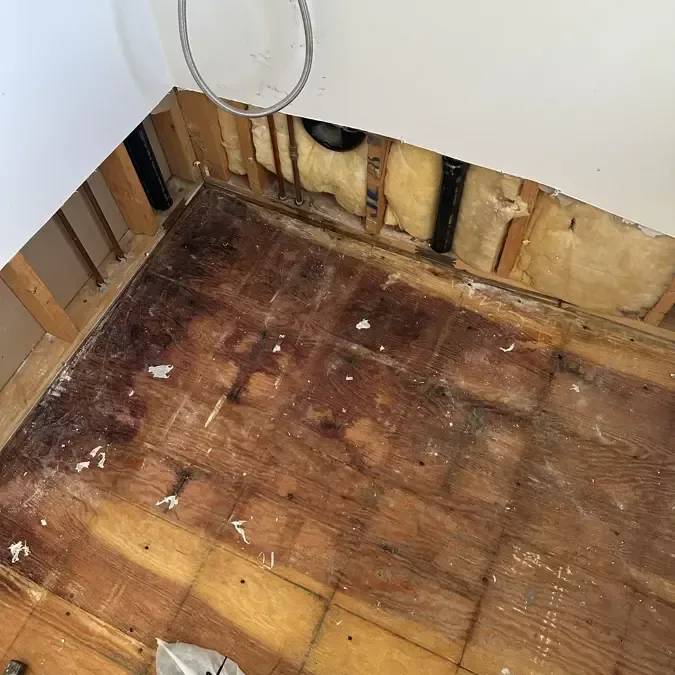
Different leaks call for different cleanup decisions
A supply pipe release, wastewater overflow and slow ceiling drip leave different problems behind. Choose the service matching the source or the material showing damage to understand the next steps.
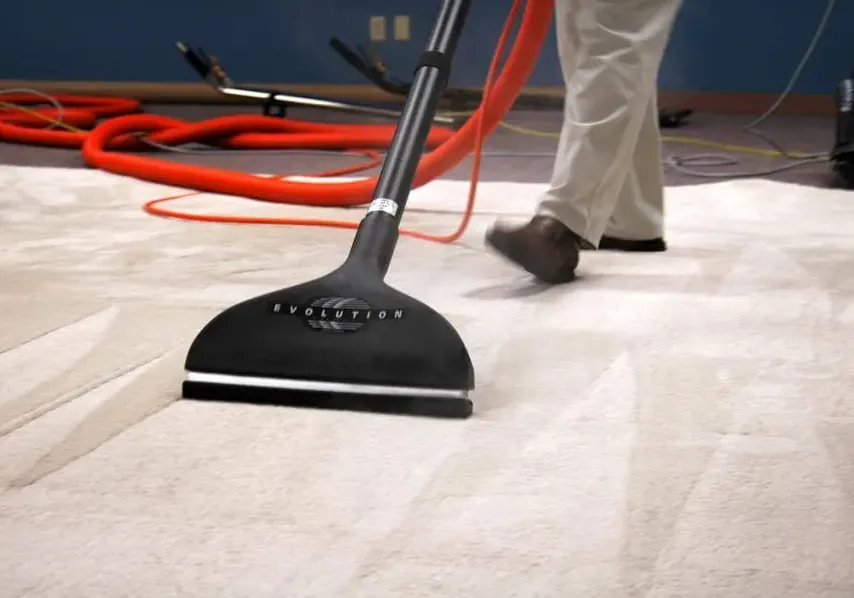
Water Extraction
Standing water is removed while adjacent rooms and floor coverings are checked for moisture beyond the visible puddle.
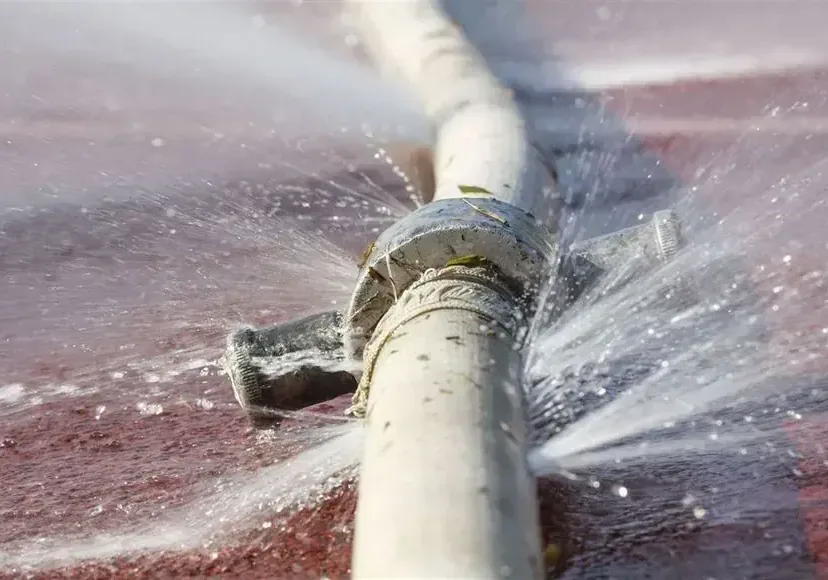
Burst Pipe Water Damage
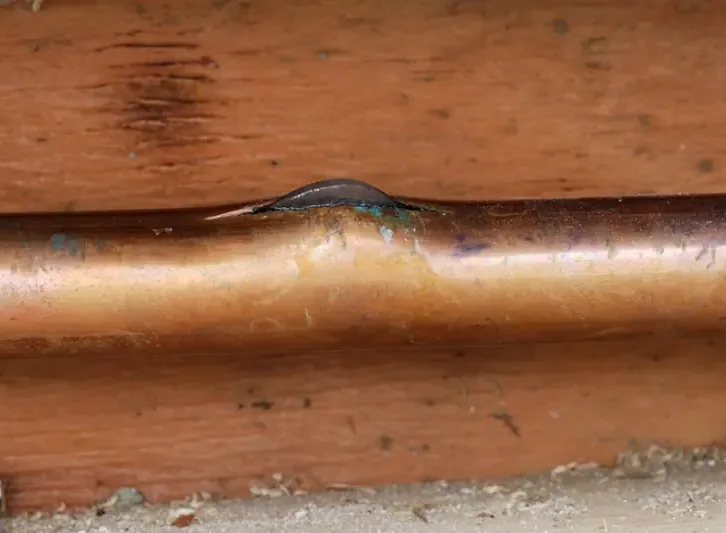
A stopped pipe release still leaves wet wall cavities, trim and flooring that need a separate cleanup plan.
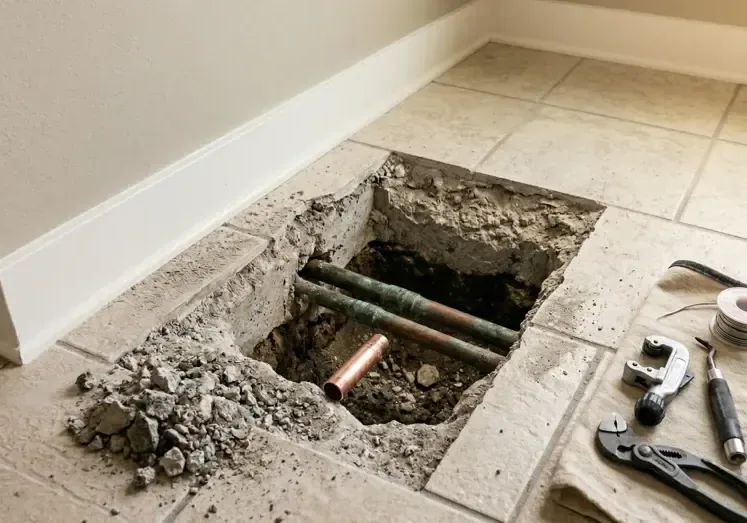
Slab Leak Water Damage
Moisture beneath a finished floor requires source location, a repair plan and careful access to the affected layers.
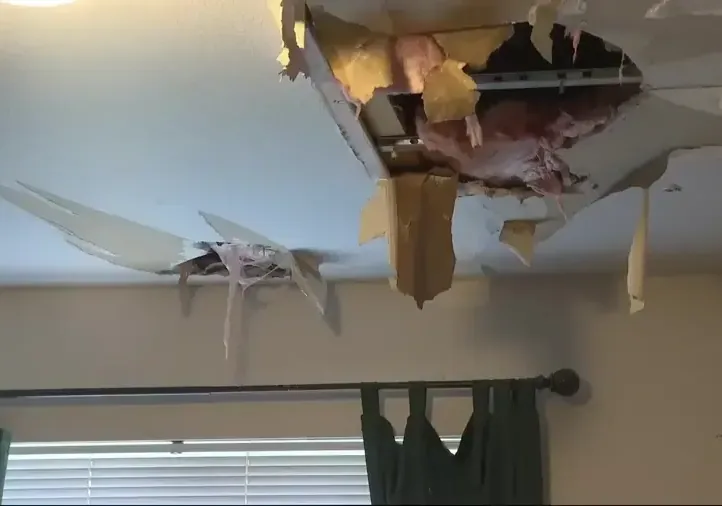
Ceiling Leak Water Damage
Overhead staining prompts a check of the water path, damaged ceiling materials and the room directly beneath them.
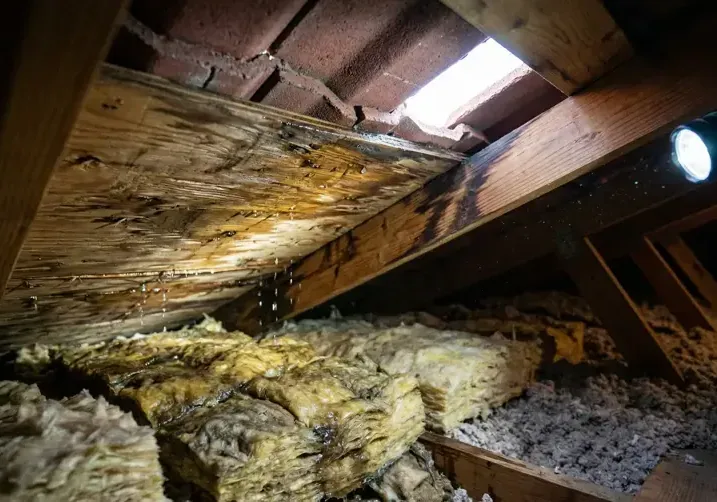
Roof Leak Water Damage
Rain entering overhead can wet insulation before reaching a ceiling; interior drying follows correction of the roof opening.
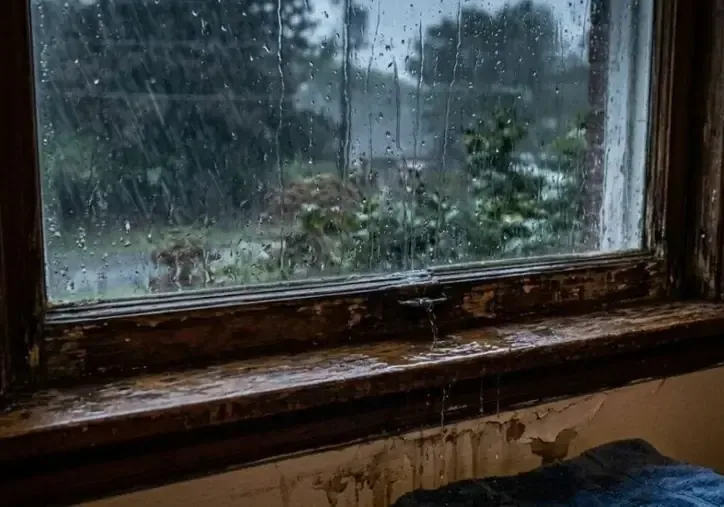
Storm Flood Cleanup
Outdoor water brings dirt into occupied spaces, changing material removal, cleaning and handling decisions during the initial assessment.
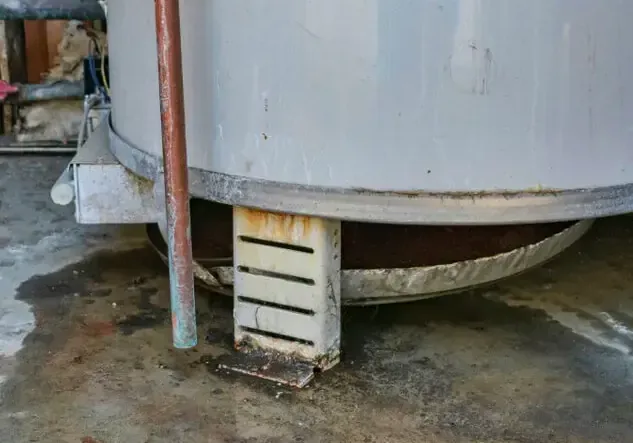
Water Heater Leak Cleanup
Water around a heater can spread behind its enclosure and beneath adjoining flooring after the appliance is isolated.
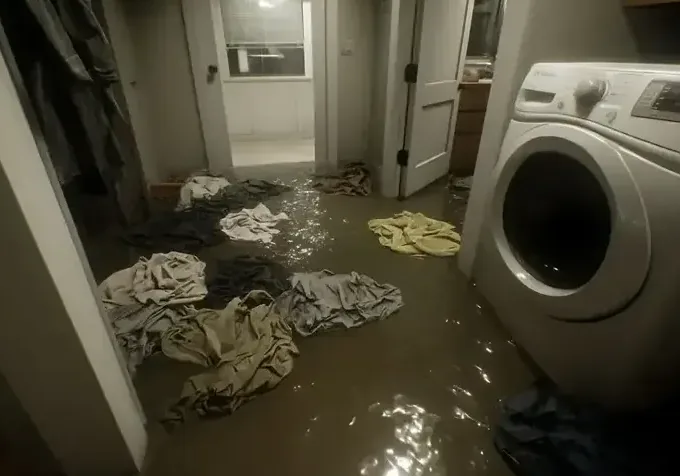
Appliance Leak Water Damage
Hoses, appliance bases and cabinet recesses need attention when kitchen or laundry water disappears beneath finished surfaces.
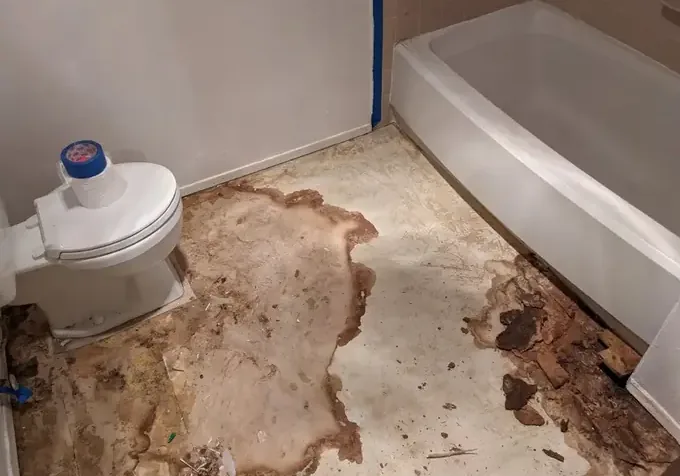
Toilet Overflow Cleanup
Bathroom overflow cleanup considers what escaped the fixture and which porous materials came into contact with the water.
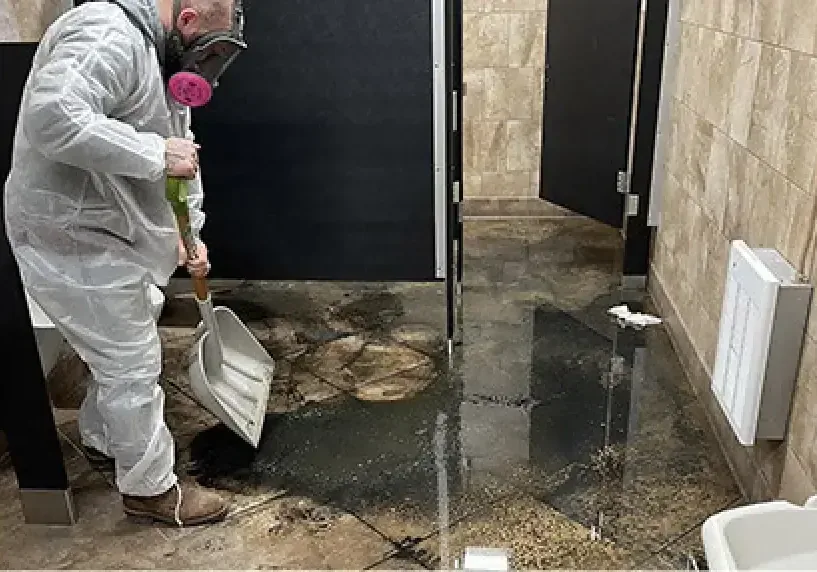
Sewage Backup Cleanup
A drain backup requires restricted access, removal of contaminated materials and cleaning before any equipment circulates room air.
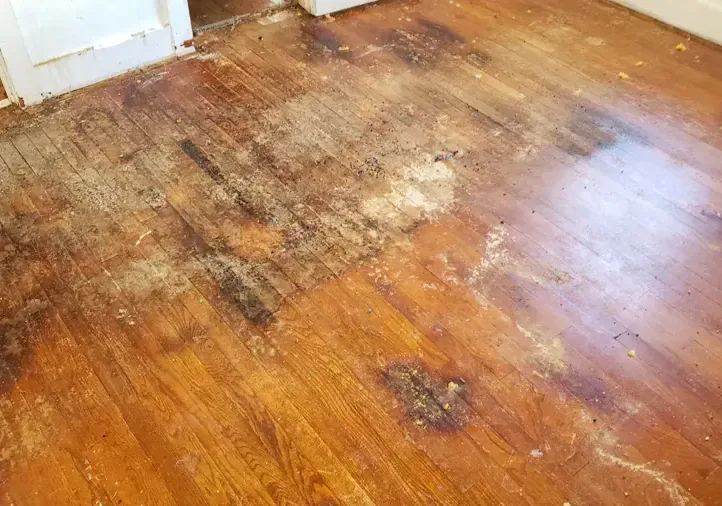
Hardwood Floor Water Damage
Raised board edges and dark seams need measured moisture checks before decisions about retaining, lifting or refinishing flooring.
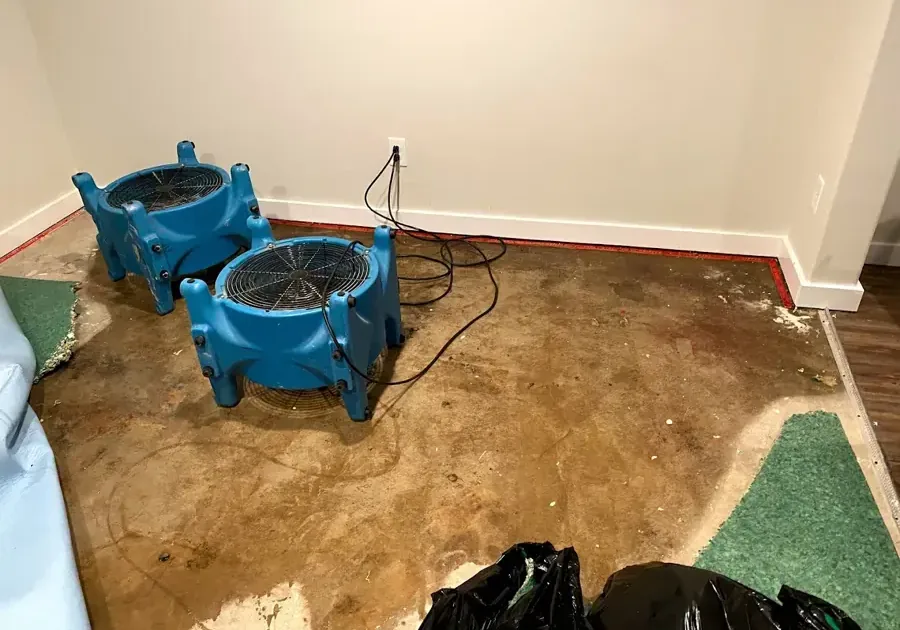
Structural Drying
Drying equipment is adjusted to material readings so a comfortable room does not conceal moisture inside the structure.
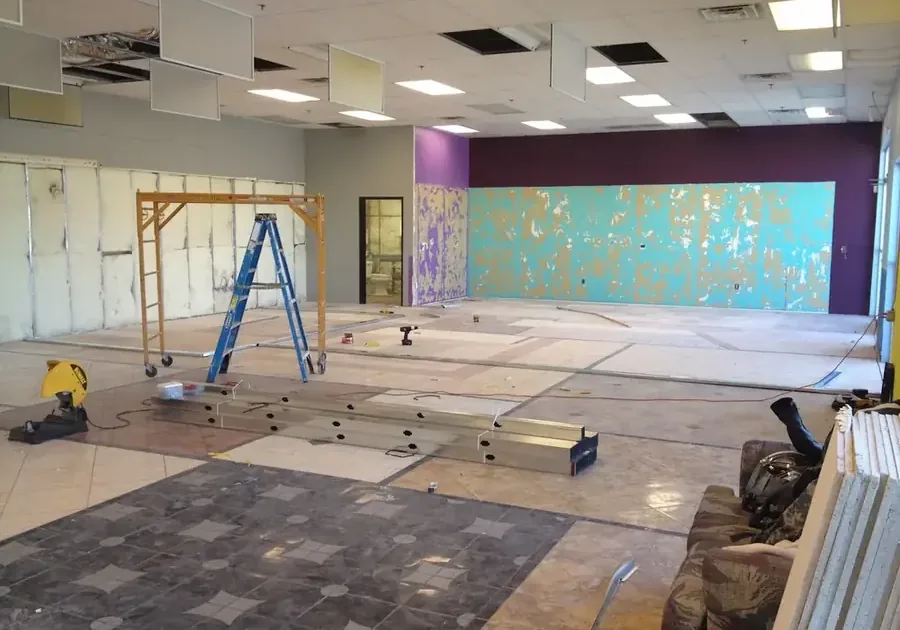
Commercial Water Damage
Business cleanup plans account for stock, customer access, shared spaces and the practical sequence for reopening affected rooms.
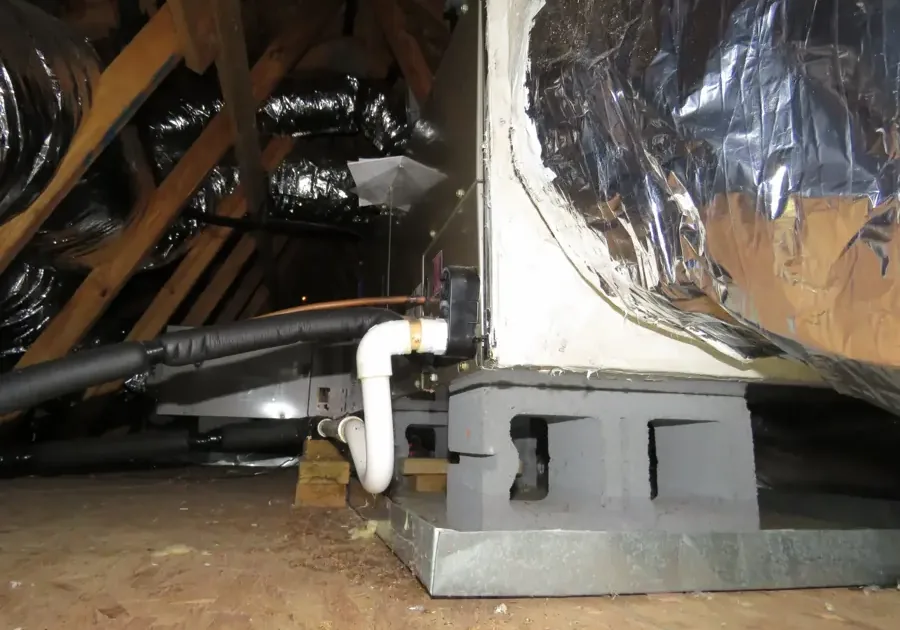
AC Condensate Water Damage
Cooling equipment drainage problems can leave damp ceilings or equipment closets that require attention beyond servicing the unit.
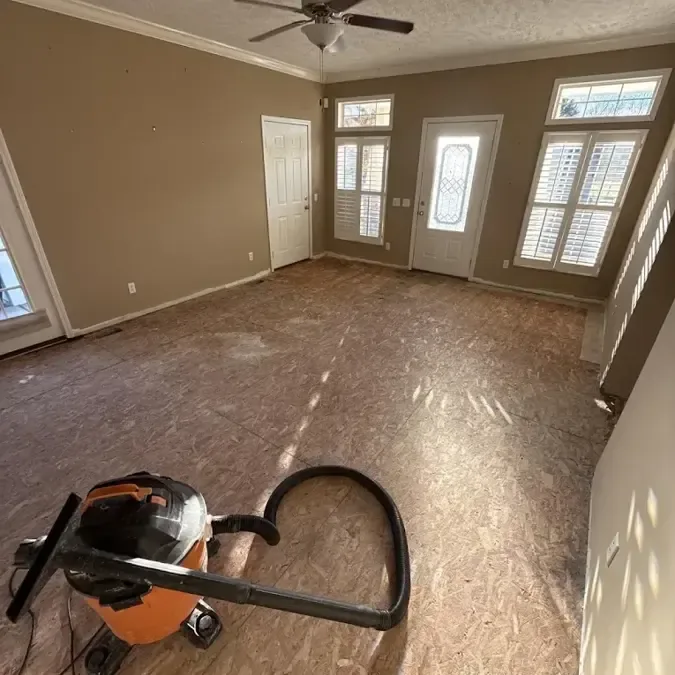
Make the affected space easier to assess safely
- Keep the route dry. Occupants should stay clear of wet electrical equipment, loose flooring and sagging ceilings while identifying a safe entrance for the assessment.
- Stop continuing discharge. An accessible valve can isolate a supply leak. The city provides emergency water shutoff assistance when the water cannot be controlled safely.
- Capture the original damage. Photographs from a dry position should include the source, adjoining rooms and damaged belongings before safe removal or other changes alter the scene.
- Notify the property contact. Renters should alert management promptly, explain which rooms are wet and request access coordination if shared areas or neighboring units need inspection.
- Separate wet belongings. Move only safe, manageable items into a dry area. Keep wastewater exposed objects apart from clean possessions pending the cleanup assessment.
Useful restoration begins with the route water traveled. The work scope should explain which materials can dry in place and which require access, cleaning or removal.
A plan for the materials involved
A floor can look dry while an adjoining wall remains wet. An organized sequence connects the first inspection with documented conditions at the end of drying.
- Step 1
Define the wet area
Check the visible spill and its likely routes through doorways, floor edges and nearby cavities before limiting the scope to a single room.
- Step 2
Remove water and damage
Extraction comes first where practical, with material removal selected for contamination, physical condition and access to layers that cannot otherwise be dried.
- Step 3
Control the drying environment
Equipment placement should move moisture out of affected materials while controlling room humidity and preserving clear access through the property during work.
- Step 4
Record the final condition
The final assessment compares material readings with suitable dry references and identifies any remaining repair or finish work for the property contact.
Follow the moisture through the whole job
Room by room scope
A written description connects each affected space to the planned work, helping property contacts distinguish extraction, cleaning, drying and later finish repairs.
Visible progress records
Moisture readings taken at documented locations show changes in materials rather than relying on how warm or comfortable the room feels.
Practical access planning
Apartment management, residents and business contacts can coordinate entry, equipment placement and protected routes before cleanup disrupts spaces that remain occupied.
Clear repair boundaries
The proposal should distinguish the work that removes water damage from the plumbing, roofing or equipment repair needed to prevent continued wetting.
What affects water damage costs in Beverly Hills?
Planning ranges begin with a contained cleanup and increase as water reaches more assemblies or introduces contamination. The written scope should identify the rooms, removal work and drying equipment behind the estimate before work is authorized.
These amounts are planning ranges rather than a property quote. Hidden saturation, disposal needs and the repair work required after drying can change the total.
The water source changes the cleanup approach
Supply water release
A broken supply connection starts differently from a drain overflow, but time and contact with building materials still influence cleanup decisions.
Trace the supply pathUsed appliance water
Kitchen and laundry spills require attention to the appliance cycle, residues and concealed spaces before wet cabinets or floor coverings are retained.
Inspect beneath the applianceDrainage and wastewater
Sewage contact calls for separation of the affected area, careful disposal and cleaning of suitable surfaces before the structure is dried.
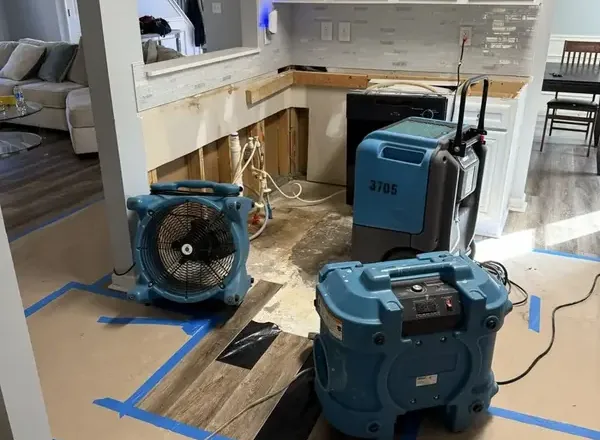
Contain contaminated roomsWhat water removal and opening wet assemblies look like
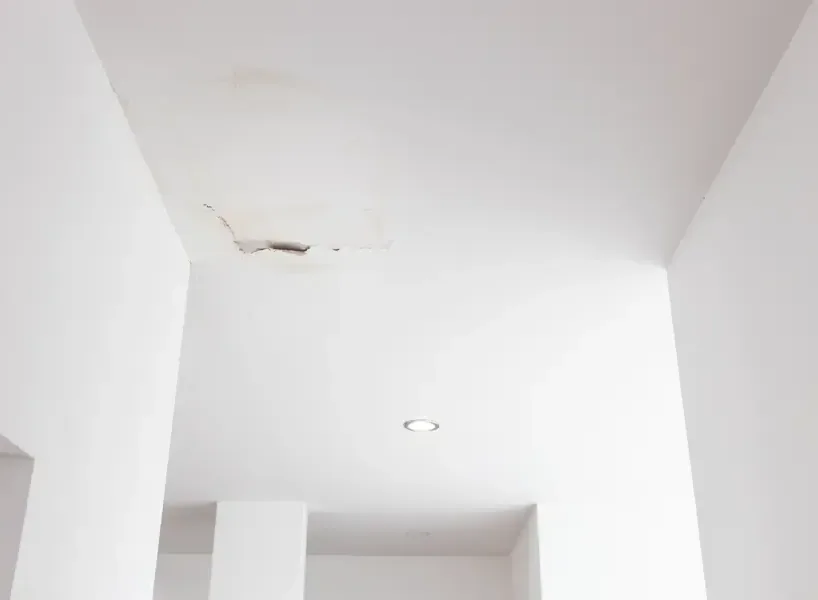
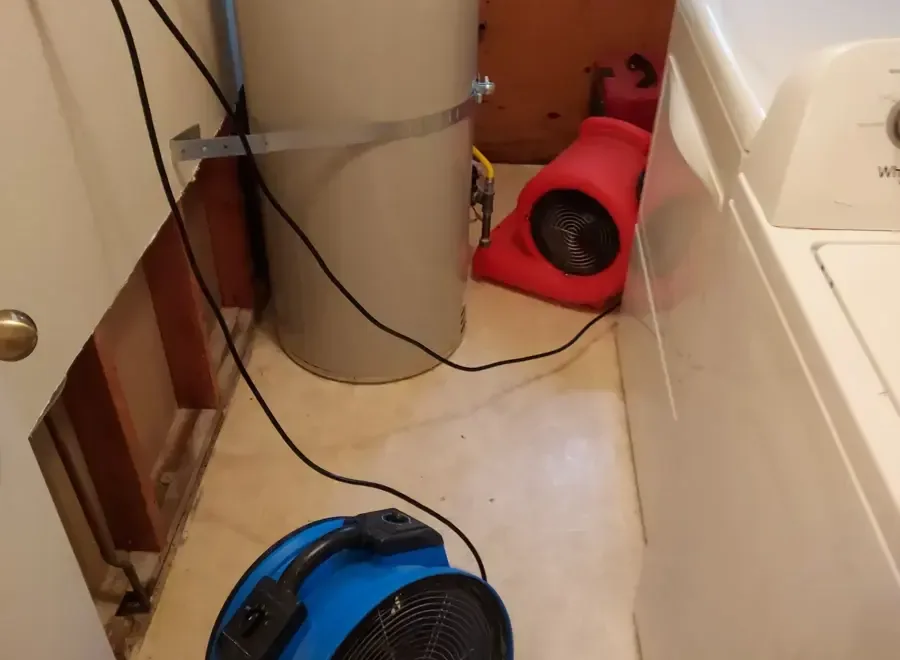
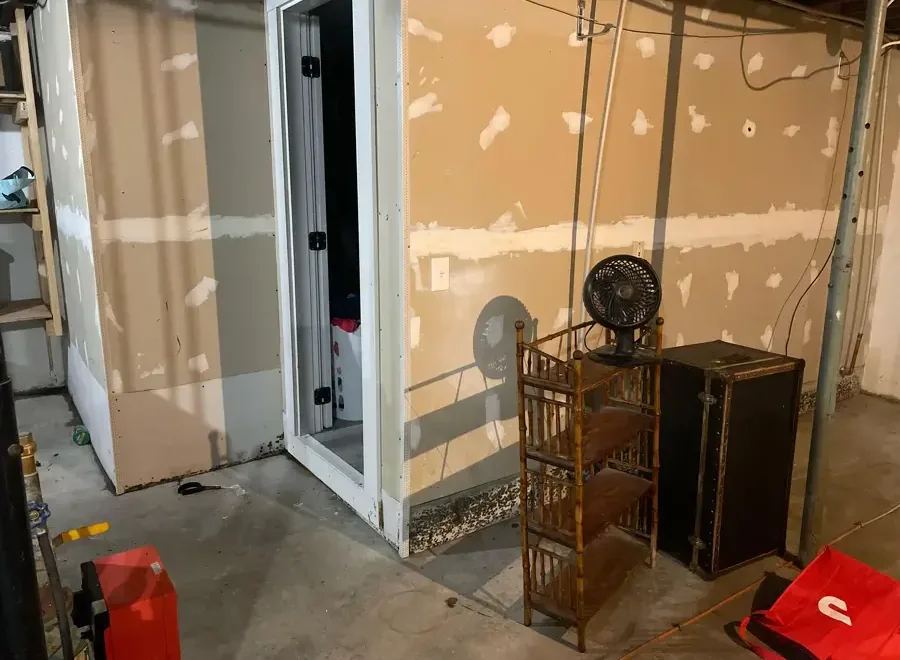
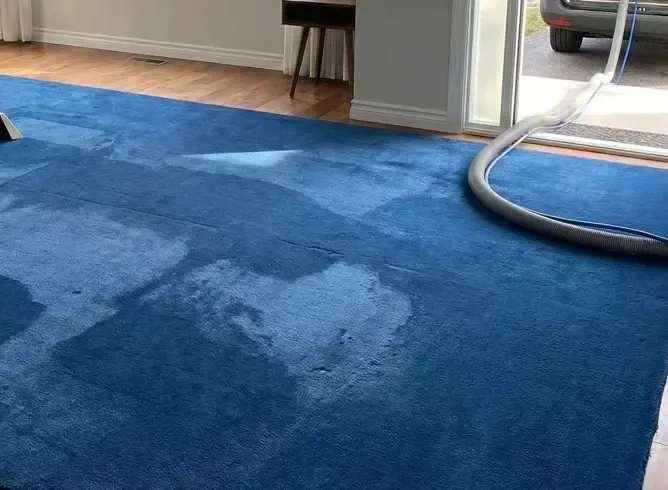
Build a useful damage record
A clear claim file connects the discovered leak with the affected rooms and the work performed. Coverage decisions belong to the insurer and depend on the policy and circumstances.
- Photographs before material removal or moving belongings
- Source repair findings and related service invoices
- Room list with affected surfaces clearly identified
- Cleanup proposal separating mitigation from later repairs
- Moisture records and equipment documentation when available
When paying for cleanup directly
A direct payment arrangement still benefits from a written scope. Ask which areas require immediate work, how equipment charges are calculated and what discoveries would trigger a revised estimate.
Keep source repair and finish replacement visible as separate decisions. The lowest initial extraction price may leave additional material drying or disposal work outside the quoted scope.
Beverly Hills cleanup coverage
Areas and corridors
The Flats, Trousdale Estates, Golden Triangle, South Beverly Drive, La Cienega, West Gateway
ZIP coverage areas
90210, 90211, 90212
Other town pages
Give the property location and access details
For a home in The Flats or Trousdale Estates, the first discussion should identify the affected rooms, any ongoing water flow and a safe entrance. Apartment occupants should provide the building manager's contact details.
Gate codes, stairs and locked shared rooms matter when planning equipment access. The property contact can arrange entry before the assessment.
Beverly Hills, CA · [email protected]
(888) 578-6508Discuss access to the wet spaceRain, shared buildings and drain care
Beverly Hills combines large houses, apartment buildings and commercial districts. Cleanup starts with the actual water source, while building access and the route through affected rooms shape the work.
Apartment coordination
Apartment buildings are more concentrated south of Wilshire Boulevard. A wet ceiling or shared corridor may require management to arrange entry to adjoining spaces during source tracing.
Commercial disruption
Rodeo Drive boutiques and South Beverly Drive dining premises involve different contents and occupancy needs. The cleanup boundary should protect unaffected stock, equipment and customer routes.
Sewer reporting
The city asks residents to report property sewer backups immediately and recommends annual lateral maintenance. Source investigation and contaminated interior cleanup are separate parts of recovery.
Outdoor drainage
Water entering city storm drains receives no treatment. Cleanup disposal planning should keep extracted indoor water and debris out of the street drainage system during the work.
Larger house layouts
Trousdale Estates consists of large homes. The inspection should follow actual wet pathways between rooms and levels rather than assume every room needs the same equipment.
- Winter rain patterns: Occasional rain alternates with Santa Ana winds during winter. Roof drainage deserves attention before another wet period, especially after an indoor ceiling stain appears.
Questions before arranging cleanup
What should happen while water is still entering?
Occupants should stay clear of electrical and overhead hazards. Isolating an accessible supply valve may stop an active plumbing release; city emergency shutoff assistance is available when safe control requires help.
Can an apartment tenant arrange an initial assessment?
A tenant can describe the damage and alert the property manager. Authorization for opening shared walls or entering another unit should be coordinated with the responsible property contact before that work proceeds.
Does surface extraction finish a water damage job?
Removing a puddle addresses accessible water. Flooring layers, wall bases and enclosed materials may retain moisture, so their condition determines whether additional opening, drying equipment or removal belongs in the scope.
Should a stained ceiling be painted immediately?
The source needs attention before decoration. A ceiling assessment checks whether the board is sound, whether insulation is wet and whether the cavity has dried sufficiently for repairs and a new finish.
Is a backup always a public sewer problem?
The blockage location needs investigation. A plumbing professional handles that diagnosis, while the city requests prompt reporting of property backups and the restoration work addresses wastewater that has reached the interior.
How are possessions documented for an insurance claim?
Photographs, item descriptions and the room where each object was found help preserve the damage record. Keep purchase information when available, and ask the insurer how it wants disposal decisions documented.
What details help the crew plan access to a wet room?
The property contact should describe stairs, locked gates and any room that cannot be entered safely. Photos taken from a dry position can show the water path. Building management can arrange keys and access to shared spaces before equipment arrives.
Can an occupied business keep unaffected rooms open?
That depends on safe access, contamination and the work layout. A plan may separate dry areas from cleanup operations, but reopening any affected space requires a suitable condition for its intended use.
What should a completion record explain?
It should identify the areas worked on, the final material moisture findings and any outstanding source or finish repairs. Clear records make the transition from mitigation to rebuilding easier for the property contact.
Start with the rooms showing damage
Describe what is wet, whether water is still entering and who can authorize access. Those details help establish the next cleanup decision.
(888) 578-6508Arrange a room assessmentTarzana Water Damage Restoration
Tarzana, CA and Los Angeles County
(888) 578-6508 · open 24/7
Water and sewage losses only
Find us on Google