Hardwood Floor Water Damage in Tarzana, CA
Tarzana floor drying technicians assess homes near Mulholland Park, Corbin Avenue and Oakdale Avenue, checking wet boards and the substrate before recommending salvage. Readings through the assembly distinguish visible surface changes from trapped moisture beneath the finish.
(888) 578-6508Discuss the changing wood floor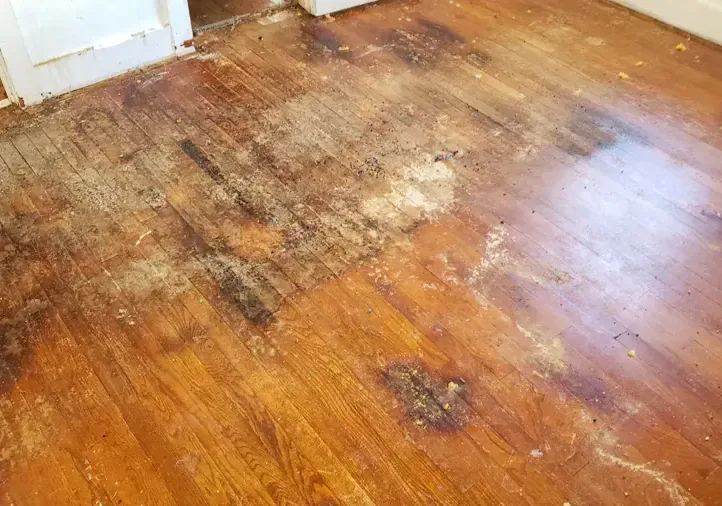
First steps for hardwood floor water damage
- Stop the water source. The appropriate trade controls continuing discharge before the floor plan is finalized. Additional water can change both the drying boundary and salvage prospects.
- Avoid premature sanding. The household leaves cupped boards and finish work for assessment. Removing material while the floor remains wet can complicate later repair decisions.
- Move light items safely. Rugs and small belongings can leave a safe clean-water area when practical. Heavy furniture should not be dragged across swollen or unstable boards.
- Record changes over time. Photos of lifted edges and visible spread help the technician compare conditions. The crew combines that history with readings beneath and around the floor.
What does hardwood floor water damage cost in Tarzana, CA?
Hardwood floor water damage drying in Tarzana commonly needs a $1,000 to $5,000 planning range. Floor area, substrate access, installation method and contamination affect the work. Sanding, refinishing and replacement flooring are separate repair costs.
For a closer planning number, run the water damage cost calculator. The restoration contractor who responds prices the job after the walkthrough and the moisture map.
How hardwood floor water damage proceeds
- Step 1
Identify the assembly
The technician records the floor product, source history and installation details, then checks the substrate to define the full wet area beneath visible changes.
- Step 2
Evaluate salvage conditions
Contamination, board integrity and adhesive condition inform whether targeted drying is suitable or material removal is needed before further work can proceed.
- Step 3
Control moisture release
The team places appropriate equipment and compares readings through the affected area, adjusting the setup when the floor response differs across the room.
- Step 4
Coordinate the finish handoff
Documented moisture conditions and material stability support the flooring specialist’s repair plan, with sanding or replacement held until the relevant requirements are met.
Cupping shows a difference in moisture through the board, but it does not by itself establish whether the floor can be saved. The restoration technician checks the water category, board condition and assembly beneath the finish. A dry surface may still cover a wet substrate.
Floor assessment across different local homes
Caballero Canyon provides a familiar southern reference for a floor-loss assessment. Farther across the neighborhood, Delano Street and Oxnard Street identify additional property locations. Before equipment is selected, the technician identifies the wood product, attachment method and supporting floor. Readings at board edges and adjoining rooms show how far moisture has spread.
Solid wood, engineered layers and other wood-look products can respond differently to water. The inspection records the actual material and visible changes, including edge lift, gaps or finish damage. Salvage recommendations should explain those findings without promising every board can recover.
Why drying must reach beneath the boards
- Water can move through joints and remain below a continuous finish.
- A wet underlayment can slow drying even after the room air feels dry.
- Adhesive condition may affect whether targeted extraction is suitable.
- Contaminated water changes salvage decisions before equipment selection.
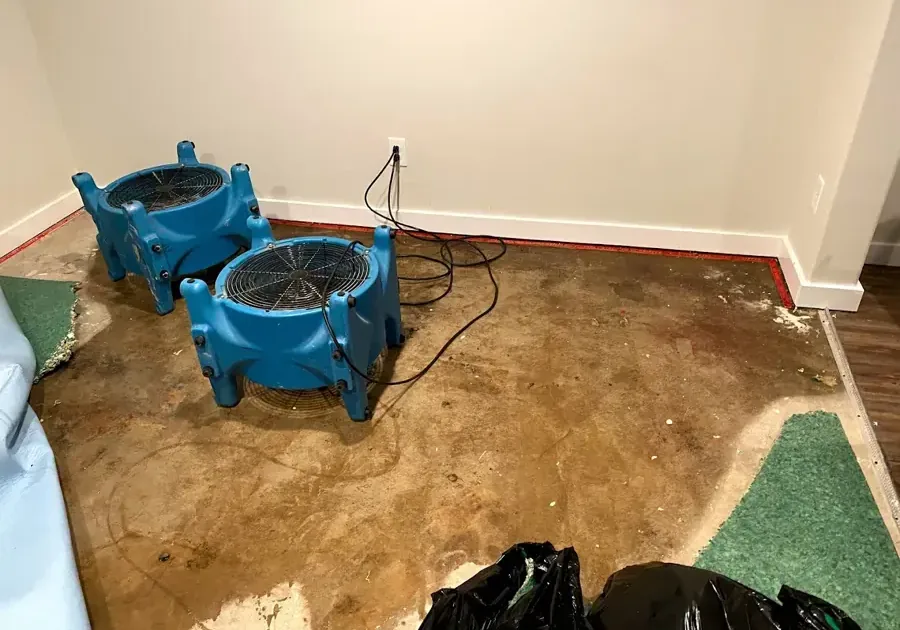
Targeted systems may help suitable floors release moisture, but the technician monitors the response rather than applying aggressive heat without measurements. EPA indoor moisture information provides general context, while Ready flood recovery precautions address safe access after water entry.
Waiting before sanding or covering
Ventura Boulevard is home to the Encino-Tarzana Branch library. To the south, Topanga State Park marks the neighborhood boundary. A floor-loss assessment near either location documents the installed wood product and checks its supporting layers before repair decisions.
Finish work should follow stabilization of the assembly and the flooring trade's requirements. Sanding a floor while its moisture profile is still changing can create a different uneven surface later. The drying record helps the repair specialist judge the next step.
The crew documents baseline and progress readings, the equipment arrangement and any boards removed for access. The property representative can then review salvage limits, replacement areas and source repair as separate decisions. Coverage and repair allowances remain matters for the insurer and policy.
Hardwood floor water damage around Tarzana
Tarzana Water Damage Restoration covers ZIPs 91356 and 91357, including Mulholland Park and homes near Ventura Boulevard, Victory Boulevard, Lindley Avenue and Corbin Avenue. Crews assess the affected property and establish a safe equipment route before extraction begins.
Related drying and cleanup services
Hardwood Floor Water Damage questions in Tarzana, CA
Does cupping mean every board needs replacement?
Not always. The cause, water category, board condition and installation influence salvage. The technician evaluates those factors and the substrate before recommending drying or removal, without promising that every floor will return to its original shape.
Can a floor look dry while wet underneath?
Yes. Surface evaporation can occur while underlayment or the subfloor remains wet. Readings at appropriate locations and access points help determine whether the full assembly is responding to the drying setup.
Should cupped boards be sanded immediately?
Finish work should wait until the moisture condition has stabilized and the flooring trade confirms the appropriate next step. Sanding during active moisture movement can produce an uneven result when the boards later change shape.
Are engineered floors treated like solid wood?
The layers, adhesive and installation may respond differently, so the actual product needs identification. The restoration plan should account for those features instead of using one salvage assumption for every wood-looking floor.
Will drying mats work on every floor?
No. The material, finish, installation and water condition determine suitability. The technician assesses access and monitors results; targeted equipment cannot reverse all physical damage or make contaminated porous material appropriate for reuse.
What should the final floor record show?
Baseline and progress readings, substrate checks, equipment changes and removal decisions help explain the outcome. The flooring specialist uses that information with product requirements to plan repair, refinishing or replacement where needed.
Tarzana wood-floor drying before finish decisions
The drying team documents moisture movement and access limits so the flooring trade can plan the next step with a clear record.
(888) 578-6508Arrange a wood-floor moisture assessmentTarzana Water Damage Restoration
Tarzana, CA and Los Angeles County
(888) 578-6508 · open 24/7
Water and sewage losses only
Find us on Google