Culver City Water Damage Restoration
A puddle at a doorway can hide a much larger wet area beneath the floor. Culver City property owners need the source stopped, the spread checked and a clear plan for drying each affected material.
(888) 578-6508Discuss the wet areaThe assessment follows moisture into adjoining rooms and concealed edges so repairs address more than the visible patch of damage.
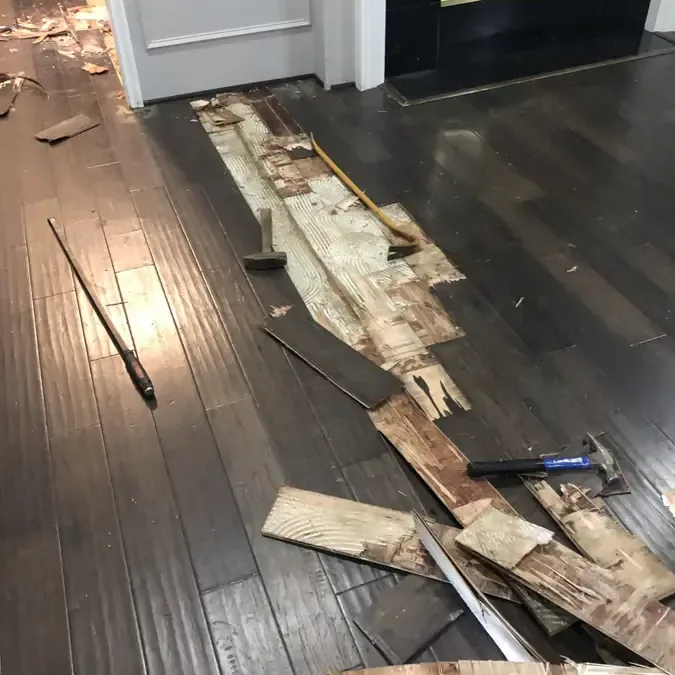
Start with what happened inside
Cleanup changes with the source, the materials and the path water followed. Select the service that describes the problem, including any damage beyond the room where it began.
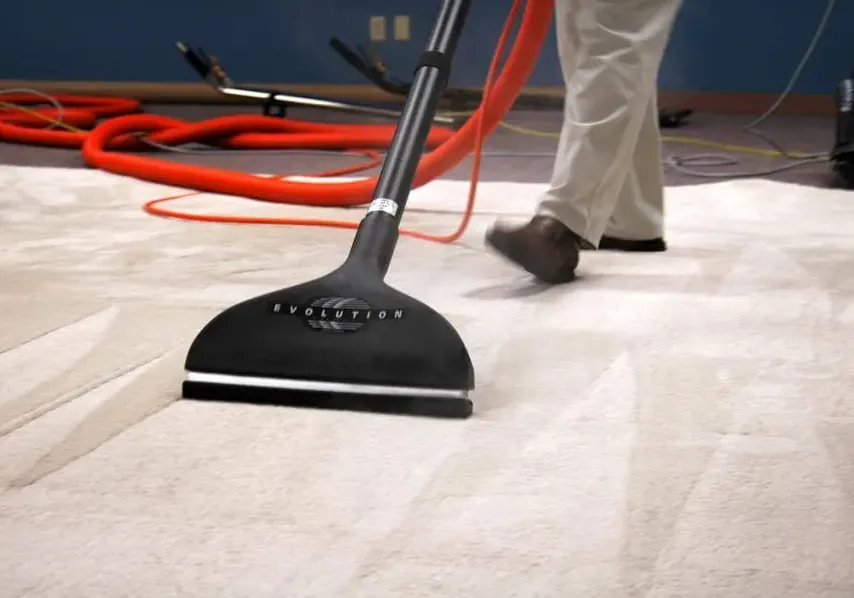
Water Extraction
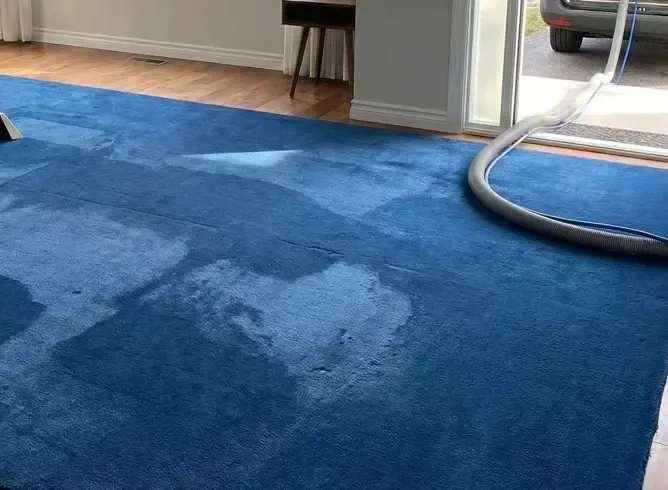
Pooling water needs removal before drying can reach soaked carpet, floor joints and the edges hidden beneath nearby furniture.
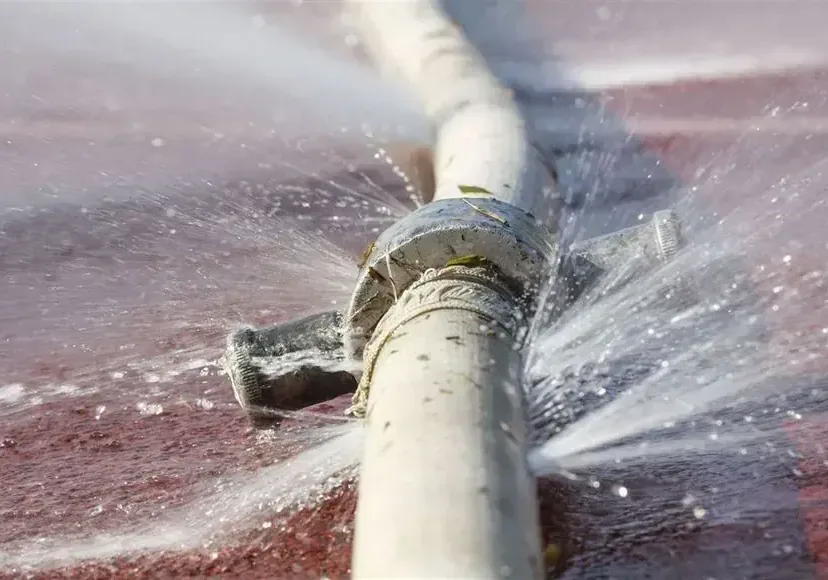
Burst Pipe Water Damage
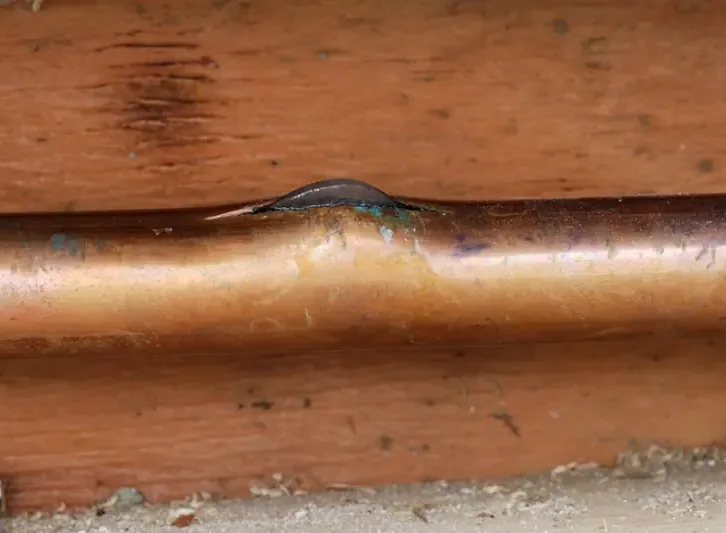
A split supply pipe can feed wall cavities continuously. Shutoff coordination comes before sorting wet finishes from salvageable materials.
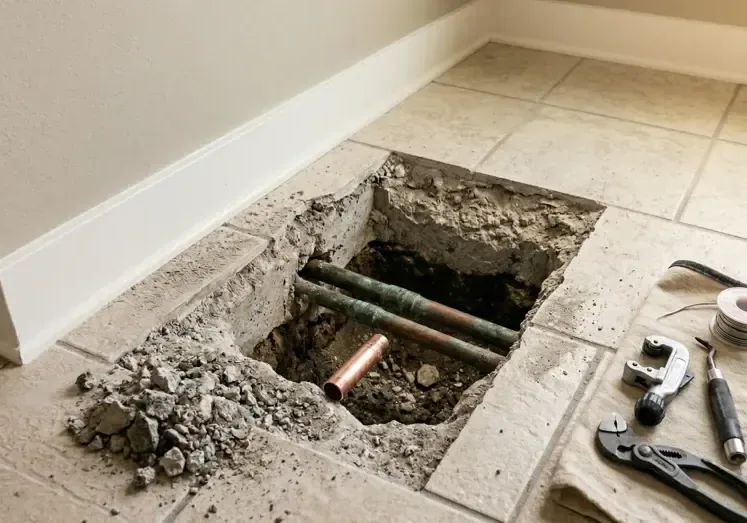
Slab Leak Water Damage
Moisture appearing through flooring calls for leak location and substrate checks before the surface receives replacement boards or tile.
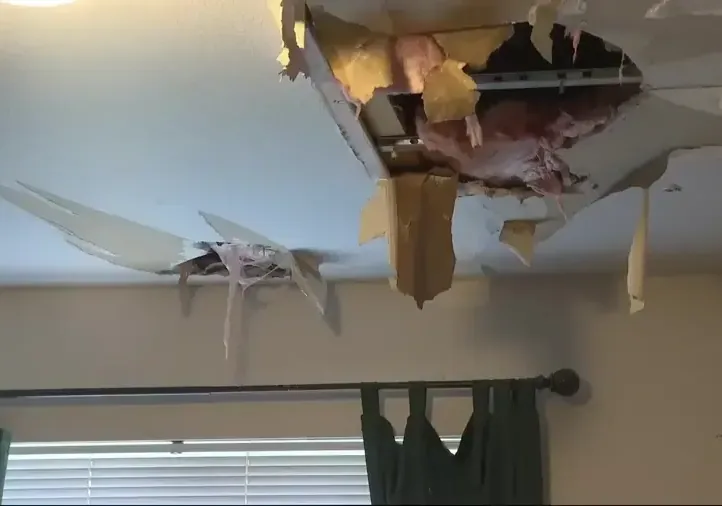
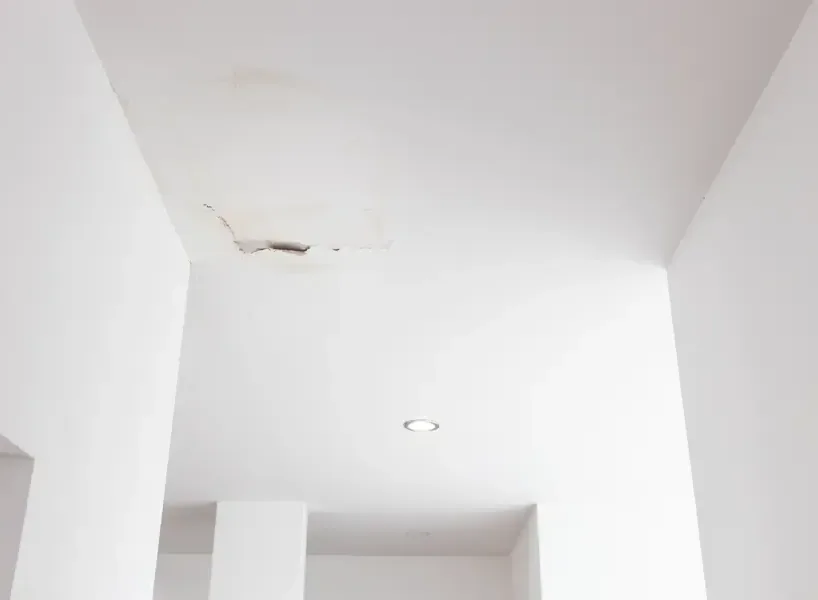
Ceiling Leak Water Damage
A sagging ceiling requires a protected area below it and a careful look above the stain for trapped water.
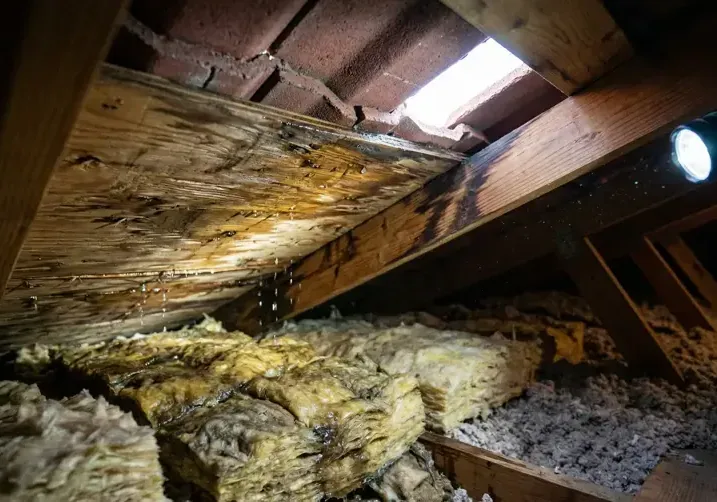
Roof Leak Water Damage
Rain entering overhead can wet insulation along a concealed route. Interior drying follows that route after roof repairs stop entry.
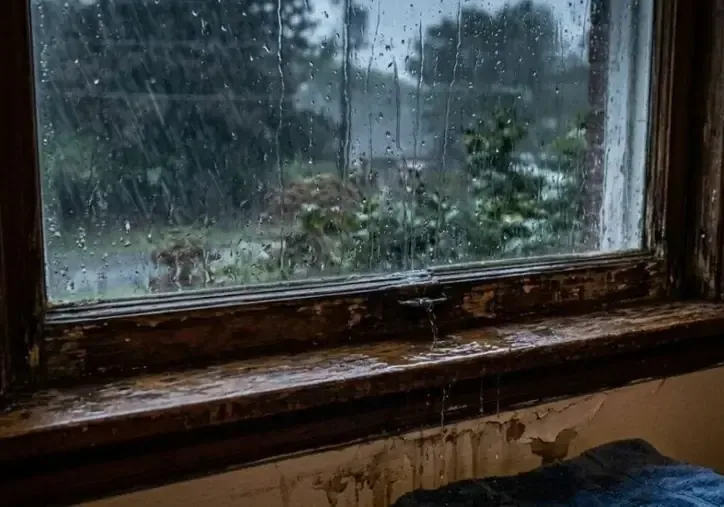
Storm Flood Cleanup
Outdoor runoff brings a different cleanup problem from a supply leak, including sediment, affected contents and contaminated porous surfaces.
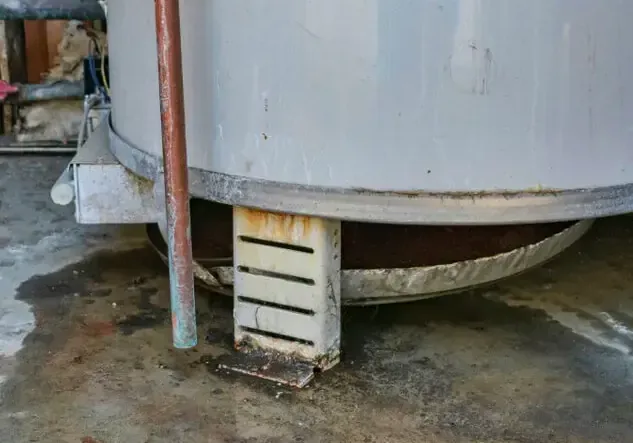
Water Heater Leak Cleanup
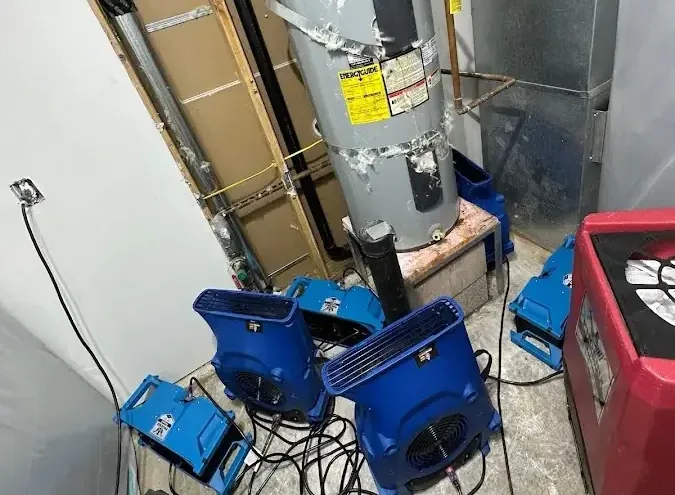
Water around a heater pedestal may reach adjoining walls. Equipment isolation and inspection beneath the base shape the cleanup.
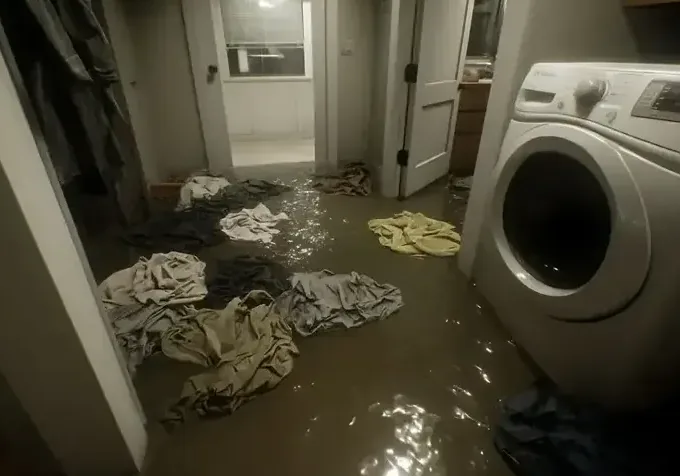
Appliance Leak Water Damage
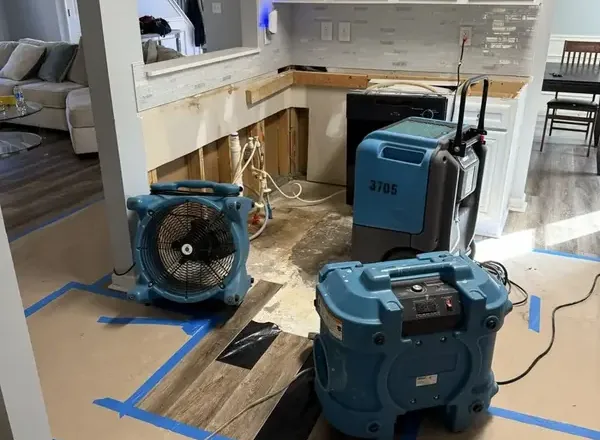
A washer or dishwasher can release water behind cabinetry long before the puddle becomes visible across the open floor.
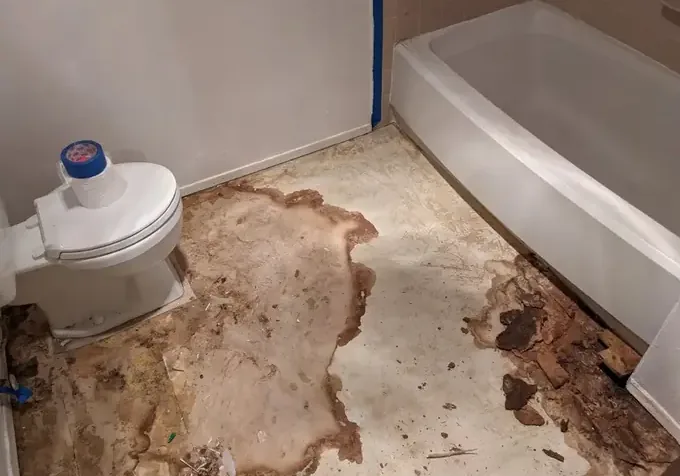
Toilet Overflow Cleanup
An overflowing bowl requires careful separation of the affected bathroom from dry areas, followed by cleaning appropriate to the discharge.
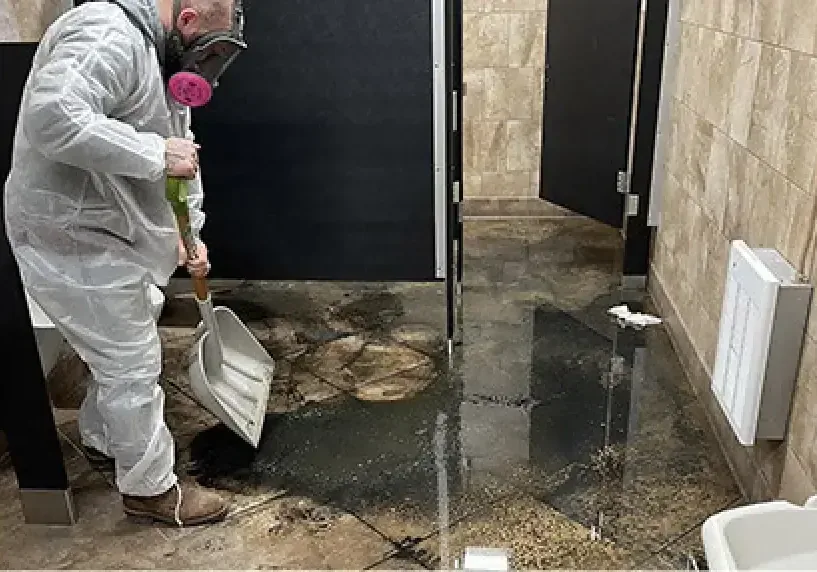
Sewage Backup Cleanup
Wastewater backing through a drain needs restricted access, controlled removal and decisions about materials that cannot be cleaned effectively.
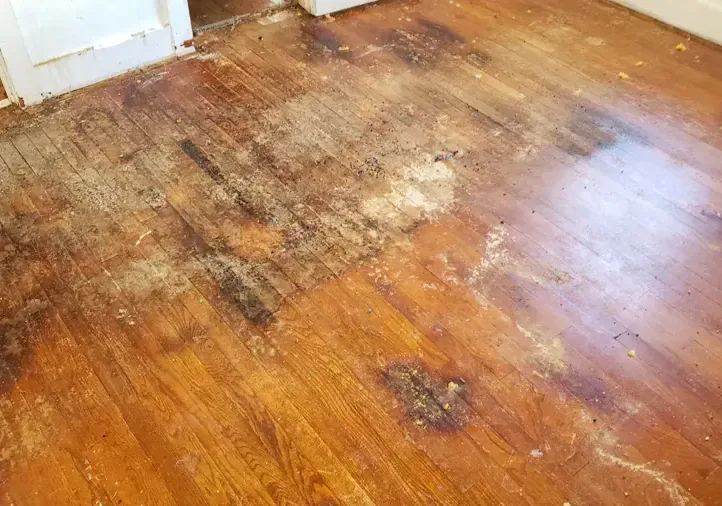
Hardwood Floor Water Damage
Raised board edges tell only part of the story. Moisture underneath determines whether drying can preserve the installed floor.
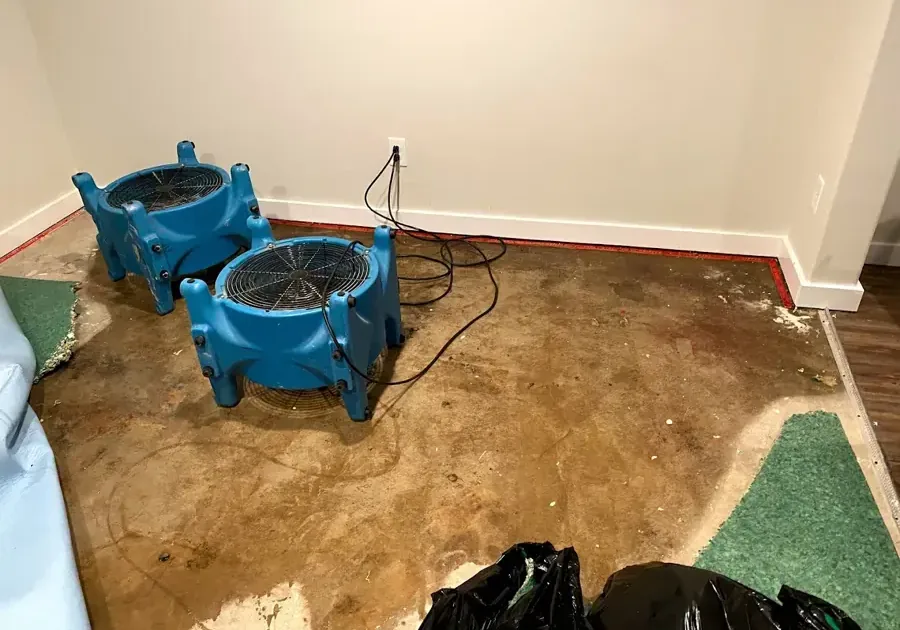
Structural Drying
Framing and subfloors can stay wet after extraction. Repeated readings direct equipment changes and establish when rebuilding can proceed.
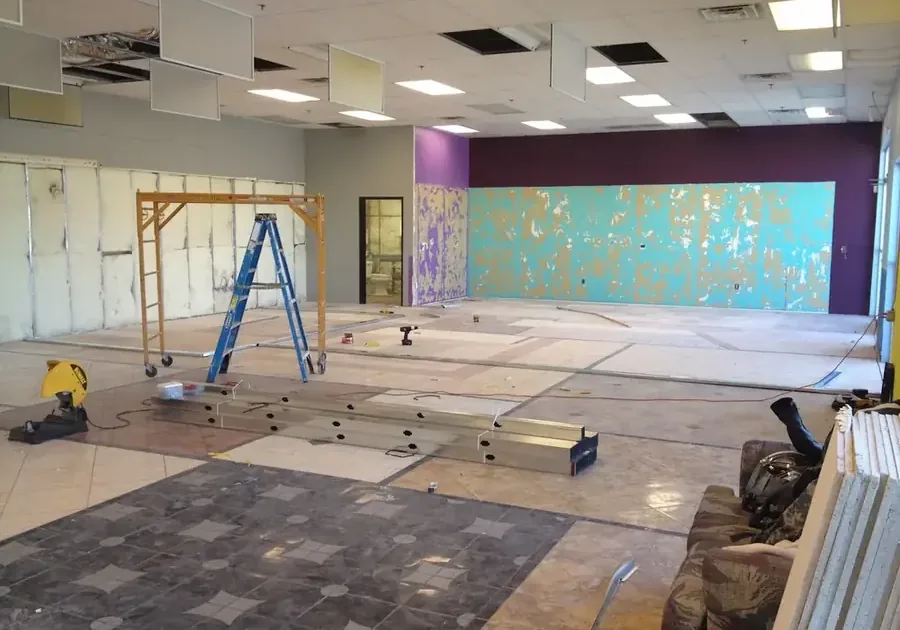
Commercial Water Damage
Business cleanup needs room boundaries, equipment access and occupancy decisions that protect people while the damaged interior is addressed.
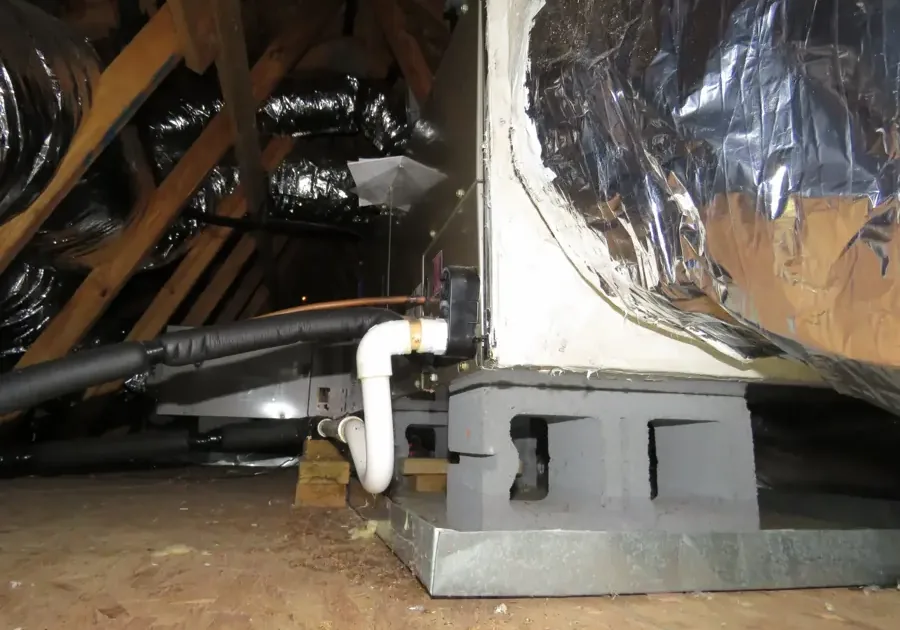
AC Condensate Water Damage
A condensate overflow can soak the platform beneath an air handler and spread through a ceiling despite a small discharge.
Make the next action a safe one
- Stay outside the hazard. Keep people away from standing water near outlets, unstable ceilings or wastewater. A safe path matters more than retrieving belongings from the wet area.
- Stop a reachable source. A dry, accessible shutoff may stop an appliance or plumbing discharge. Leave electrical equipment and unfamiliar controls to the appropriate qualified repair professional.
- Keep useful photographs. Photograph the visible entry point, affected rooms and damaged belongings from dry ground. Save the original images with dates and any repair receipts.
- Separate clean belongings. Move dry items away from the room boundary when safe. Avoid carrying soaked rugs or contaminated objects through clean living spaces during cleanup.
- Describe the full spread. Report the source, floor covering, nearby rooms and any ceiling changes. Mention restricted access or shared walls before equipment arrives at the property.
A useful scope identifies wet assemblies, explains removal decisions and shows how remaining materials will be checked before replacement finishes cover them again after the loss.
Know what each cleanup decision addresses
Drying works best when source control, water removal and material access support each other. The sequence changes when contamination, electrical hazards or unstable finishes require additional protection first.
- Step 1
Identify the entry
The inspection distinguishes ongoing leakage from residual moisture and records the affected surfaces before cleanup changes the appearance of the room.
- Step 2
Remove accessible water
Extraction reaches standing water and wet floor coverings while the crew checks transitions where moisture can escape into an adjoining space.
- Step 3
Expose necessary surfaces
Selective removal creates access to trapped moisture when intact finishes would prevent effective cleaning or drying of the material directly behind them.
- Step 4
Document the endpoint
Final readings establish the condition of exposed and concealed materials. The repair contractor can then plan enclosure around documented moisture levels and remaining damage.
Follow moisture through the building
Traceable moisture readings
Room notes should connect each measurement with a material and location, making it easier to follow progress at the next drying visit.
Defined work boundaries
Separating affected surfaces from dry areas helps explain containment, contents handling and access restrictions without treating every room as part of the loss.
Practical repair handoff
A drying record gives the repair contractor a starting point for rebuilding, including remaining openings and materials removed to reach concealed water.
Clear cost factors
The estimate should distinguish extraction, disposal and equipment needs so property owners can understand which conditions increase the scope of the project.
What changes the restoration cost?
Culver City water damage work has planning ranges from $1,000 to $8,000. The affected area, water source, material access and drying needs determine the actual scope. A written assessment separates immediate mitigation from later reconstruction or equipment repairs.
These ranges support early planning. The property assessment identifies exclusions, repair responsibilities and any concealed damage that could change the final written scope.
The source changes the handling
Supply water release
A broken pipe begins with supplied water, but contact with dirty materials can change the cleanup requirements as it spreads through the building.
Track a pipe dischargeUsed appliance water
Water escaping during a wash cycle may carry residue. Cleanup considers the appliance function and affected surfaces before choosing what can remain in place.
Check appliance contact surfacesDrain backup discharge
Wastewater needs an isolated work area and deliberate disposal decisions, especially where it has entered carpet, padding or other absorbent finishes inside the property.
Contain drain contaminationEquipment, access and affected surfaces
Keep decisions and damage together
A claim file is easier to follow when photographs, material notes and receipts describe the same event. Coverage decisions belong to the insurer and depend on the policy terms.
- Photos of each affected room boundary
- Dates when leakage was first noticed
- Source repair invoices and work notes
- List of removed or damaged belongings
- Drying readings with their measurement locations
Paying for the work directly
An owner paying directly can request a staged scope that separates urgent water removal from optional finish replacement. The written proposal should explain access needs and expected equipment responsibilities.
Keep source repairs visible in the budget. Stopping the leak and drying the building are separate tasks, and each may involve a different contractor.
Help across the city
Named local corridors
Jefferson Boulevard, Washington Boulevard, Sepulveda Boulevard, Culver Boulevard, Westwood Avenue
Listed ZIP areas
90230, 90231, 90232, 90066
Other service areas
Explain access before the assessment
For a property in Clarkdale, Studio Village or Culver West, describe the affected level and any obstacles between the entrance and the wet rooms.
Shared entries, occupied workspaces and limited equipment space can shape the cleanup sequence. Include those details when requesting an assessment of the damage.
Culver City, CA · [email protected]
(888) 578-6508Discuss entry and wet roomsDifferent sources need different responses
Ballona Creek runs through Culver City, while wetter winters bring a seasonal rain concern. Indoors, a failed connection or overflowing appliance can create damage at any time of year.
Winter rain entry
Roof and window leaks deserve attention when rain returns. Check indoor staining after weather changes and arrange source repairs before damaged ceiling finishes are replaced.
Concealed supply leaks
A wet baseboard or unexpected floor stain can point to water inside a wall. Identify the source before treating the visible edge as the entire problem.
Drainage and runoff
The storm drain replacement at Jefferson Boulevard and Hetzler Road increased drainage capacity. Property cleanup still starts with the actual outdoor entry point and affected surfaces.
Equipment discharge
Heaters, washers and cooling equipment can release water into small enclosed spaces. Look beyond the equipment footprint when a nearby floor or wall becomes damp.
Public water interruptions
A main break closed part of Sepulveda Boulevard in December 2018. During an incident, property owners should distinguish utility conditions from a leak within their building.
- November 9, 2016: A water main break flooded the Jefferson Boulevard intersection by the San Diego Freeway, forcing an onramp closure and illustrating how public water incidents can interrupt access.
Questions after discovering water
Can a small puddle hide a larger loss?
Yes. Water can slip beneath flooring or wick into nearby drywall while leaving only a small visible pool. An assessment checks beyond the edge of the puddle, particularly at doorways, cabinets and wall bases.
Should the damaged room stay open for airflow?
That depends on the source and containment needs. Opening doors can spread contaminated air or disrupt controlled drying. Keep people outside hazardous areas and let the cleanup assessment determine which rooms connect during equipment operation.
Does removing standing water finish the job?
Extraction removes water that can be collected, while structural drying addresses moisture held inside materials. Subflooring, framing and wall cavities may need continued attention after the surface stops looking wet or leaving footprints across the room.
Who stops the leaking pipe or appliance?
A suitable repair professional addresses the failed source. Restoration work handles the water and damaged building materials. Coordinating those tasks prevents fresh discharge from undoing cleanup or soaking a newly exposed section of the interior.
When should wet belongings be photographed?
Photographs are useful before items move, provided the area is safe to approach. Capture the item, its position and nearby water damage. Keep disposal decisions documented rather than placing contaminated belongings into clean storage areas.
Can business occupants remain during drying?
Occupancy depends on safe exits, contamination, electrical conditions and the work area boundaries. A room that looks dry may still need restricted access because of open flooring, equipment cords or ongoing removal of damaged materials.
Are cleanup costs the same for every source?
No. Wastewater cleanup may require containment and disposal that a limited supply leak does not need. Restricted access, affected materials and moisture beneath finishes also change the work even when the visible wet area looks similar.
What shows that materials are ready for repairs?
Material readings and condition checks support the repair handoff. The assessment should consider concealed layers and any remaining damage, with records showing where measurements were taken before those surfaces are covered by replacement finishes.
Is every city ZIP a precise service boundary?
The listed ZIP areas help describe a location, but the property details remain useful when arranging work. Share the neighborhood, building access and affected spaces so the requested assessment can be planned around the actual site.
Turn visible water into a clear next step
A practical assessment connects the source with the affected materials, immediate safety needs and the work required before the room can be repaired.
(888) 578-6508Arrange a property moisture assessmentTarzana Water Damage Restoration
Tarzana, CA and Los Angeles County
(888) 578-6508 · open 24/7
Water and sewage losses only
Find us on Google