Sewage Backup Cleanup in Tarzana, CA
Tarzana sewage cleanup teams isolate affected rooms, remove contaminated water and evaluate porous materials before cleaning. Protective equipment, controlled disposal and measured structural drying follow a plan suited to Category 3 wastewater rather than ordinary surface wetting.
(888) 578-6508Discuss contaminated-room cleanup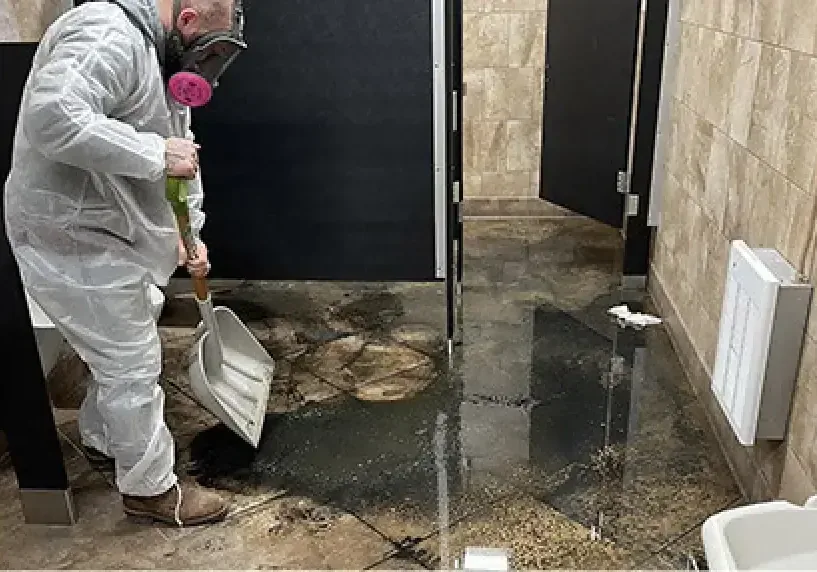
First steps for sewage backup cleanup
- Keep everyone out of the affected zone. The household excludes children and pets and avoids crossing wastewater to recover belongings. Immediate electrical or structural danger requires emergency assistance.
- Stop fixture use where appropriate. The property representative keeps affected plumbing out of use and reports the backup to the appropriate source specialist. Repeated testing can increase the release.
- Do not spread the residue. Used towels, footwear and portable equipment remain separated from clean areas. The cleanup crew establishes a handling route before materials leave the room.
- Record what is visible safely. Photos from outside the contaminated zone can document the initial extent. The team adds detailed material and moisture records after safe access is established.
What does sewage backup cleanup cost in Tarzana, CA?
Sewage backup cleanup in Tarzana generally requires a $1,500 to $8,000 planning allowance. Contaminated area, porous material removal, access and treatment requirements shape the scope. Plumbing repair and replacement finishes should be itemized separately from cleanup and drying.
For a closer planning number, run the water damage cost calculator. The restoration contractor who responds prices the job after the walkthrough and the moisture map.
How sewage backup cleanup proceeds
- Step 1
Define the contaminated boundary
The lead technician checks the discharge history and affected materials, establishes access controls and coordinates the source investigation before recovery work begins.
- Step 2
Recover wastewater and debris
Crews use appropriate protective equipment and controlled handling routes, preventing the movement of contaminated material through unaffected portions of the building.
- Step 3
Remove and treat appropriately
Unsuitable porous materials leave the work zone, while suitable remaining surfaces receive cleaning and specified antimicrobial treatment with the required product dwell time.
- Step 4
Dry and close the record
The team measures remaining structural moisture, documents progress and identifies the conditions ready for repair once cleaning and drying requirements have been satisfied.
A backed-up drain can contaminate materials without leaving a deep pool. Wastewater follows low points and porous edges, and foot traffic can spread residue beyond the original room. The restoration team sets a controlled boundary before recovery equipment enters.
Sewage response around the local service area
Ventura Boulevard, Victory Boulevard and Mulholland Park are service-location references. Source investigation identifies the responsible system and the defect at the affected property. A plumbing specialist or relevant utility investigates the blockage or public-system issue while the cleanup crew assesses resulting indoor contamination.
The property representative should describe which fixtures backed up and whether discharge continues. Several affected fixtures may help the source investigation, but that observation alone cannot identify a failed lateral or public main. The restoration scope remains tied to the actual affected rooms.
Removal and cleaning before drying
- Workers select gloves, protective clothing, eye protection and appropriate respiratory protection for the task.
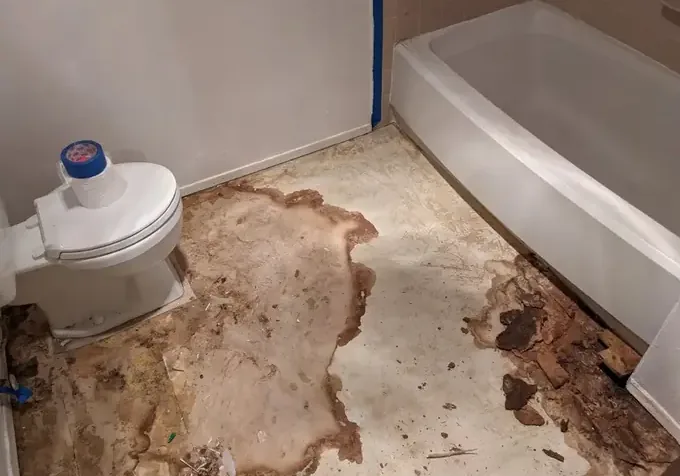
- Contaminated porous materials are removed above the visible water mark as the affected assembly requires.
- Recovery water and debris follow a controlled handling and disposal route.
- Cleaned suitable surfaces receive an EPA-registered antimicrobial when specified, at its labeled dwell time.
A household should not mix disinfectants or use ordinary fans across contaminated residue. EPA registered disinfectant information supports product selection context. Ready flood safety explains why contaminated water needs cautious access.
Drying the remaining structure
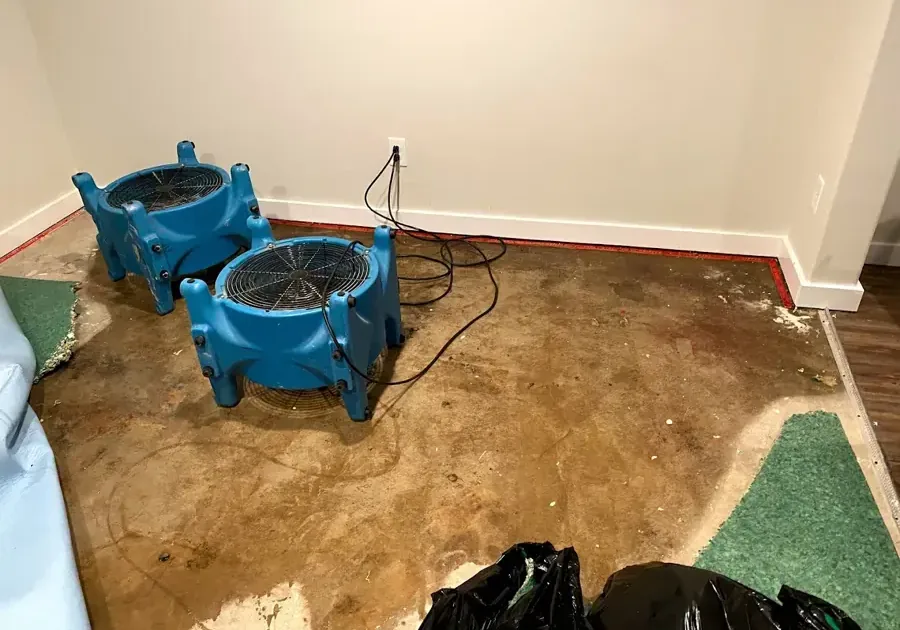
After removal and cleaning, the crew establishes moisture readings in the remaining framing and substrate. Air movers and dehumidifiers then address moisture without treating contaminated material as a salvage-drying project. The equipment plan changes when measurements show uneven progress.
The final record includes contamination boundaries, material removal, treatment details and drying results. Source correction and finish repair remain identifiable tasks. Insurance may have specific backup provisions or exclusions, so the policyholder should review the applicable terms directly with the insurer.
Sewage backup cleanup around Tarzana
Tarzana Water Damage Restoration covers ZIPs 91356 and 91357, including Mulholland Park and homes near Ventura Boulevard, Victory Boulevard, Lindley Avenue and Corbin Avenue. Crews assess the affected property and establish a safe equipment route before extraction begins.
Related drying and cleanup services
Sewage Backup Cleanup questions in Tarzana, CA
Is sewage Category 3 even when diluted?
Sewage starts as Category 3 wastewater. Wastewater can carry contamination even when it looks clear or diluted. The technician evaluates contact with materials and the affected route before defining cleanup and removal requirements.
Can contaminated carpet be dried in place?
Porous carpet and pad contacted by sewage generally require removal. Drying them does not remove the contamination. The crew documents the affected boundary and evaluates the substrate after the unsuitable layers are removed.
What does antimicrobial dwell time mean?
The selected product must remain on the suitable treated surface for the time stated on its label. Application follows cleaning and product directions; a quick spray is not a substitute for the specified process.
Does cleanup fix the sewer blockage?
No. A plumbing specialist or responsible utility addresses the source. Restoration handles resulting contamination and moisture. Both scopes need coordination so wastewater does not return after cleaning or during the drying stage.
Can household fans speed the work?
Fans should not blow across untreated sewage residue because airflow may spread contamination. The crew completes assessment, removal and cleaning before arranging controlled drying equipment for the remaining structure.
How does insurance handle a backup?
Policies can contain separate backup provisions, limits or exclusions. The property representative should ask the insurer about the actual event. Photos, source findings and an itemized cleanup record support that review without determining coverage.
Tarzana sewage cleanup through the drying stage
Containment, removal and cleaning lead into measured drying, with records that explain each material decision and remaining repair requirement.
(888) 578-6508Arrange a Category 3 assessmentTarzana Water Damage Restoration
Tarzana, CA and Los Angeles County
(888) 578-6508 · open 24/7
Water and sewage losses only
Find us on Google