Structural Drying in Tarzana, CA
Tarzana drying technicians establish material baselines, control humidity and adjust airflow to the wet assembly. Daily comparisons show how framing, floors and cavities respond after extraction, so equipment removal follows documented conditions rather than a calendar guess.
(888) 578-6508Discuss the drying measurements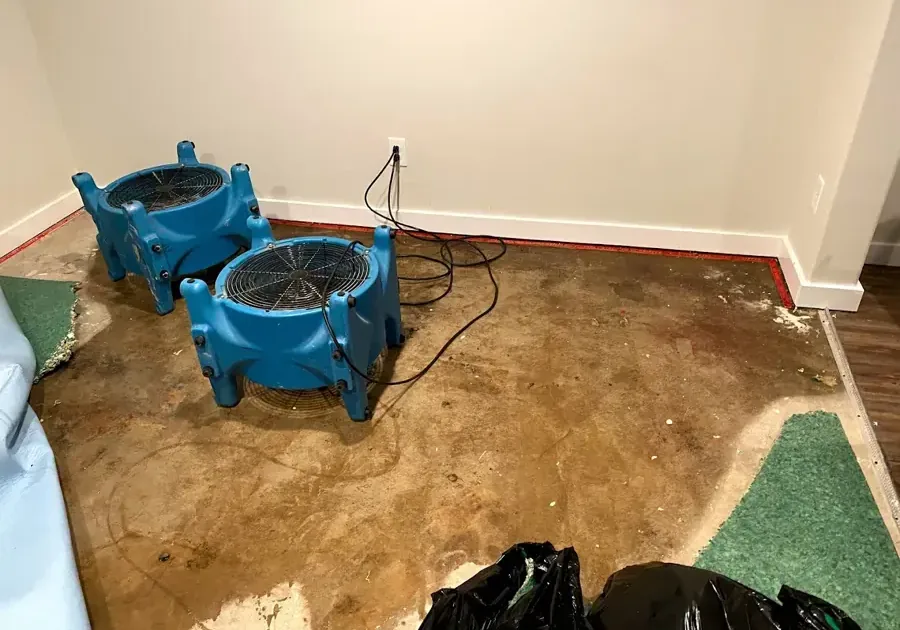
First steps for structural drying
- Confirm the source has stopped. The property representative coordinates source repair before expecting stable drying progress. Continued entry can overwhelm equipment and make the initial moisture map obsolete.
- Keep equipment conditions consistent. Doors, windows and equipment settings should follow the agreed plan. Unplanned changes can affect humidity control and make daily progress harder to interpret.
- Protect the equipment route. Occupants keep cords and airflow paths clear without relocating machines. The crew establishes safe movement through the property and explains any areas that remain restricted.
- Ask for the measurement plan. The technician identifies affected materials and comparison points. A clear record helps the property representative understand why equipment remains or why access needs to change.
What does structural drying cost in Tarzana, CA?
Structural drying in Tarzana typically needs a $1,000 to $6,000 planning allowance after the loss is assessed. Material density, wet area, access and equipment duration affect the scope. Source repair, contaminated-material removal and reconstruction may require separate items.
For a closer planning number, run the water damage cost calculator. The restoration contractor who responds prices the job after the walkthrough and the moisture map.
How structural drying proceeds
- Step 1
Establish the baseline
The technician identifies wet materials and comparable dry references, then records initial room conditions and access limitations before the equipment arrangement is finalized.
- Step 2
Control evaporation and humidity
Air movers and dehumidifiers work as a system, with placement selected for the exposed surfaces and the moisture load released into the room.
- Step 3
Measure and adjust
Consistent material and air readings show progress; the crew investigates slow areas and changes access or equipment when the recorded response calls for it.
- Step 4
Document the endpoint
The final comparison identifies materials meeting the drying goal and any remaining limitations, supporting a clear transition to flooring, wall and other repair trades.
A room can feel comfortable while a wall cavity remains wet. Structural drying addresses the water held inside the assembly, not only the puddle or the room air. The technician identifies the affected material and establishes a practical reference before arranging equipment.
Drying follows indoor material readings
Tarzana has a hot-summer Mediterranean climate. Indoors, drying equipment responds to measured humidity and moisture held beneath flooring. At properties in Mulholland Park or along Ventura Boulevard and Victory Boulevard, inspection identifies the wet assemblies and accessible openings. Those findings guide equipment placement and the locations checked during each monitoring visit.
Closed cavities, dense materials and restricted airflow may slow one area while an open room improves. Measurements from each affected assembly help identify that difference. The crew changes access or equipment placement when readings show that part of the structure is not responding.
How the equipment works together
- Air movers support evaporation at suitable wet surfaces.
- LGR dehumidifiers remove moisture released into the indoor air.
- Material meters compare progress at consistent locations.
- Temperature and humidity records help explain the drying environment.
The IICRC S500 framework informs the drying approach, while actual material condition determines the work. EPA indoor air information addresses moisture context. Ready flood recovery information explains why safety and cleanup precede normal occupancy after flooding.
A useful drying record follows the same locations
Random readings are difficult to compare. The technician marks or records measurement points, identifies reference materials and notes equipment changes. Those records show whether apparent improvement reflects a drying assembly or merely a different measurement position.
Equipment stays until the agreed drying criteria are met or a documented limitation requires another decision. New finishes should follow appropriate substrate requirements. The final handoff explains what dried, what was removed and what repairs remain, with insurance questions handled directly under the policy.
Structural drying around Tarzana
Tarzana Water Damage Restoration covers ZIPs 91356 and 91357, including Mulholland Park and homes near Ventura Boulevard, Victory Boulevard, Lindley Avenue and Corbin Avenue. Crews assess the affected property and establish a safe equipment route before extraction begins.
Related drying and cleanup services
Structural Drying questions in Tarzana, CA
Is dry air proof that the wall is dry?
No. Room humidity and material moisture measure different conditions. A dehumidifier can lower air moisture while a closed cavity or dense layer remains wet. The crew checks both the environment and the affected materials.
How does the team choose a drying goal?
The technician considers the material and compares suitable unaffected reference areas, using the relevant drying framework and repair requirements. The goal should be documented so progress and completion can be assessed consistently.
Can equipment be turned off overnight?
Unplanned shutdowns can change drying conditions and extend the work. The property representative should discuss noise or access concerns with the crew so the plan can be adjusted safely without losing the measurement context.
Why might a wall need opening after drying starts?
Readings may show that a concealed area is not responding to the original access. Wet insulation or a covered layer can limit evaporation. The crew explains the evidence before recommending additional authorized openings.
Does summer weather shorten every dry-out?
Outdoor heat does not determine the moisture inside a specific assembly. Building access, material thickness, humidity control and contamination can matter more. The drying plan follows measured response rather than a seasonal promise.
What documents show completion?
The record should identify initial conditions, measurement locations, reference readings, equipment changes and final material comparisons. It should also distinguish drying completion from finish repairs or other tasks that remain outside the mitigation scope.
Tarzana structural drying with a recorded endpoint
The restoration team links equipment placement to material readings and provides a clear account of the conditions ready for repair.
(888) 578-6508Arrange measured drying assessmentTarzana Water Damage Restoration
Tarzana, CA and Los Angeles County
(888) 578-6508 · open 24/7
Water and sewage losses only
Find us on Google