Water Extraction in Tarzana, CA
Tarzana water extraction crews remove pooled water, inspect wet floor assemblies and map the remaining moisture before drying equipment starts. The work follows the source and contamination conditions inside each affected room.
(888) 578-6508Arrange pooled-water removal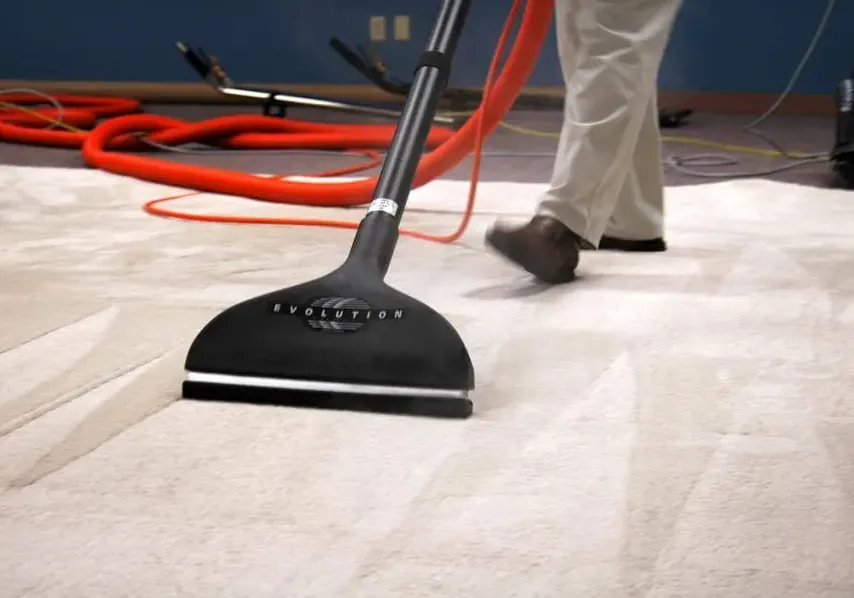
First steps for water extraction
- Keep clear of electrical hazards. Occupants avoid water near cords, receptacles and appliances. A dry route to a safe shutoff matters more than rescuing items from a wet room.
- Stop further discharge. A property representative closes an accessible supply valve only from a dry, safe position. Uncertain shutoffs require the appropriate plumbing or utility response.
- Record the water path. Photographs from the doorway show room boundaries, affected contents and the apparent source. The crew keeps these initial conditions in the drying record.
- Prepare a safe route. Households keep children and pets away while clearing a dry equipment route. Heavy wet furniture stays in place until the crew assesses handling.
What does water extraction cost in Tarzana, CA?
Water extraction in Tarzana commonly requires a planning allowance of $700 to $4,500 for removal and initial drying. Depth, room area, water category and the materials holding moisture determine the assessed scope. Reconstruction and source repairs are separate items.
For a closer planning number, run the water damage cost calculator. The restoration contractor who responds prices the job after the walkthrough and the moisture map.
How water extraction proceeds
- Step 1
Assess depth and category
The lead technician checks the source, electrical access and contamination, then selects recovery methods that fit the water and the building materials.
- Step 2
Recover the liquid
The extraction crew works through standing water and absorbent surfaces, checking lower collection points before moving recovery equipment into the next room.
- Step 3
Map remaining moisture
Meters identify wet boundaries beyond the cleared floor; the team compares adjacent materials and records where opening or further recovery is necessary.
- Step 4
Set drying and recheck
Air movement and dehumidification address residual moisture, with follow-up readings showing whether the setup needs adjustment before the equipment can leave.
A puddle shows only the water that has not entered a material. Carpet pad, baseboards and underlayment can remain saturated after a floor looks clear. The extraction crew works outward from the deepest collection point, checks adjoining rooms and marks where further inspection is needed.
Water extraction around Ventura Boulevard
Ventura Boulevard includes the Encino-Tarzana Branch library, while Victory Boulevard defines the neighborhood's northern edge. An extraction visit begins with a safe entrance, clear equipment access and a check of the wet rooms. The crew asks whether the water came from plumbing, an appliance or outdoors before choosing recovery equipment.
Near Lindley Avenue, a wet doorway can conceal water that crossed under a floor covering. Moisture checks follow the assembly beyond the visible edge, including closets and cabinet ends. A plumber or another appropriate trade stops the source before a final drying assessment.
What extraction equipment can and cannot remove
- Pumps move deeper accumulations toward an approved recovery destination.
- Weighted or wand extraction removes water held within suitable carpet assemblies.
- Edge checks reveal moisture that crossed into a neighboring room.
- Repeated measurements show which materials need opening or separate treatment.
The crew does not discharge contaminated recovery water into a street drain. The water category and local disposal requirements determine handling. EPA water information provides broader water-quality context, while Ready flood precautions explain why outdoor floodwater requires caution.
From liquid removal to a measured dry-out
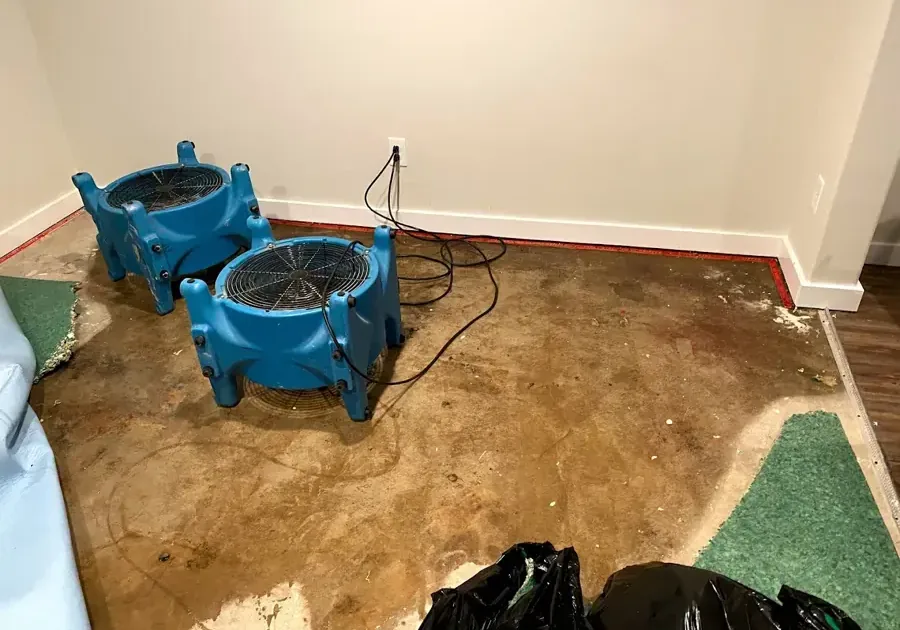
Extraction reduces the amount of water that dehumidifiers must evaporate, but it cannot certify dry framing. The drying team establishes reference readings, positions air movers and records humidity and material progress. Equipment changes follow the readings rather than a fixed removal date.
Photographs before and after removal, the initial moisture map and the recovery scope help explain the work to a property representative. Insurance coverage depends on the source and policy; a cleanup record cannot decide coverage.
Water extraction around Tarzana
Tarzana Water Damage Restoration covers ZIPs 91356 and 91357, including Mulholland Park and homes near Ventura Boulevard, Victory Boulevard, Lindley Avenue and Corbin Avenue. Crews assess the affected property and establish a safe equipment route before extraction begins.
Related drying and cleanup services
Water Extraction questions in Tarzana, CA
Does extraction finish the cleanup?
No. Extraction removes liquid water, while structural drying addresses moisture within materials. The crew records both stages because an exposed floor can look dry while its underlayment or adjoining wall remains wet.
Can a household use a wet vacuum first?
Only a safe, limited clean-water situation may suit household recovery equipment. Electrical hazards, sewage and unknown outdoor water require a different approach. Occupants should avoid entering a hazardous room simply to begin vacuuming.
Will wet carpet stay in place?
The water category, backing condition, pad saturation and exposure history affect that decision. The technician inspects the full assembly before recommending in-place drying or removal, rather than deciding from the carpet face alone.
What details help with 24/7 dispatch?
The caller can describe the water source, affected rooms, approximate depth and any electrical or ceiling concern. Clear access information helps the restoration team plan the assessment without promising an arrival interval.
How does the crew know extraction is enough?
Recovery slows as free water leaves, but meters still establish the wet boundaries. The crew compares the remaining moisture with the planned drying method and repeats extraction where it can reduce the evaporation load.
Does insurance pay for water removal?
Coverage varies with the cause and policy conditions. Timestamped photos, source information and an itemized scope help the insurer evaluate the event. The property representative should confirm coverage directly with the insurer.
Tarzana water extraction with a drying plan
The response team works through removal, residual moisture and the records needed to explain each stage of the loss.
(888) 578-6508Start with the water depthTarzana Water Damage Restoration
Tarzana, CA and Los Angeles County
(888) 578-6508 · open 24/7
Water and sewage losses only
Find us on Google