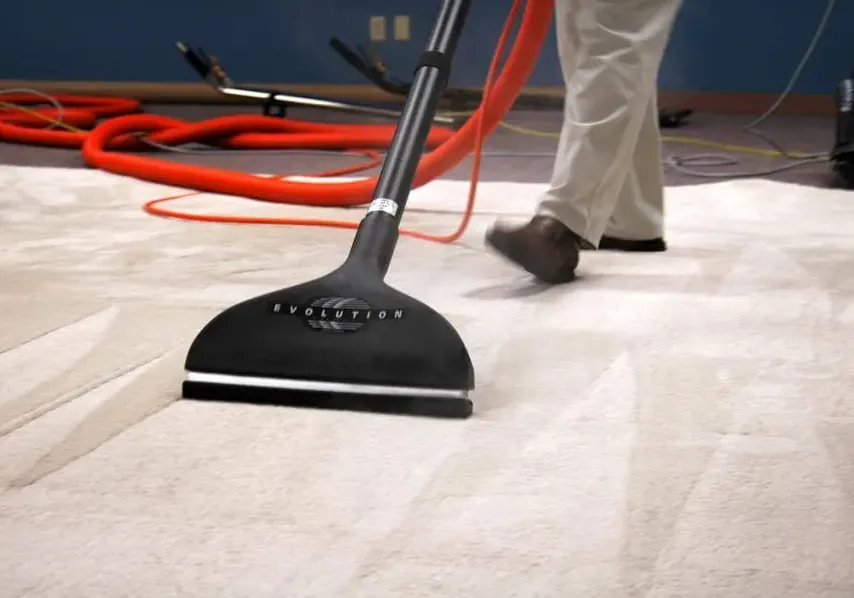
A major July 2026 water main break near Sunset Boulevard and Holloway Drive sent water south along Palm Avenue toward Santa Monica Boulevard. Apartment complex garages flooded, parked vehicles were submerged and pavement buckled in affected areas. For West Hollywood property managers, that event highlights the practical work of organizing garage access, removing water and evaluating the building materials and stored contents below living spaces.
Key takeaways
- Keep residents away from flooded garage ramps and uncertain pavement.
- Coordinate vehicle decisions with the responsible vehicle and property professionals.
- Record storage cages, wall bases and utility rooms separately in the damage map.
- Reopen each area only after its access and remaining work have been evaluated.
A garage flood needs an access decision first
A submerged ramp or parking aisle can conceal obstacles and changes in the surface below. Residents should avoid entering on foot or driving into the affected space.
The property manager can gather observations from safe entrances and explain which doors, ramps and adjoining rooms are accessible to responding professionals.
During the documented July event, a sinkhole opened near the Sunset Strip and pavement buckled in some affected areas. Those conditions belong in the incident history.
At another property, the responding team must assess the actual route into the garage before equipment or recovery vehicles are brought through the entrance.
A request for water extraction should include the location of collected water, the status of the incoming release and any utilities or mechanical rooms reached. The manager should also identify occupied spaces connected to the garage so that access arrangements account for residents as well as the removal work.
- Describe the entrance and any observed pavement damage.
- Identify an accessible dry meeting point for contractors.
- Keep pedestrian traffic away from the wet parking area.
Separate vehicles from building cleanup decisions
A flooded vehicle needs evaluation by the appropriate vehicle professional before operation. Building cleanup staff should have a clear inventory of parking spaces containing affected vehicles and a contact for each owner where available.
This allows recovery arrangements to be coordinated without treating a vehicle as an ordinary movable household item.
The property record can include photographs showing the vehicle's position and the surrounding water marks. Personal documents, stored objects and equipment inside or beside a vehicle should be listed separately when their condition is visible.
Residents should avoid entering the wet garage to retrieve them before safe access has been established.
Vehicle removal can affect equipment routes and the order of water removal. The manager and restoration contractor can plan the sequence together, leaving access for recovery equipment while keeping affected areas separated from residents.
A written schedule helps avoid competing activities in a confined entrance or parking aisle.
Map the garage by function rather than by parking row alone
A garage may contain storage areas, utility rooms, stairs and doorways to occupied portions of the building. Each function creates a different inspection question.
The restoration map should identify where water reached building materials and where it contacted stored contents, so the scope does not stop at the open parking surface.
Low wall finishes and the bases of storage enclosures deserve particular attention when the water recedes. Photographs can show deposits, staining and the height of visible contact, while measurements help assess accessible layers.
Where a wall encloses a cavity, the team evaluates whether that cavity needs controlled access.
The flood cleanup process should describe the release as a public main event when that is the established source. The July 2026 incident involved the Los Angeles Department of Water and Power response.
Accurate source notes help preserve the difference between the event history and the cleanup conditions found inside the garage.
- Give stairs and utility rooms their own map labels.
- Photograph the backs and bases of storage enclosures when safely accessible.
- Track contents evaluation separately from the parking surface cleanup.
Remove collected water with a controlled working route
Extraction requires suitable equipment, a safe power arrangement and a planned destination for the removed water. The contractor assesses the actual water condition and site access before selecting the method.
Residents should not attempt to solve a flooded garage by operating ordinary household equipment in standing water.
The working route should accommodate hoses and equipment without blocking required access for other responding professionals. A garage serving occupied units needs clear communication about entrances that remain closed and alternatives that are available.
Restrictions should be described by location so that residents do not interpret a partly dry aisle as permission to enter.
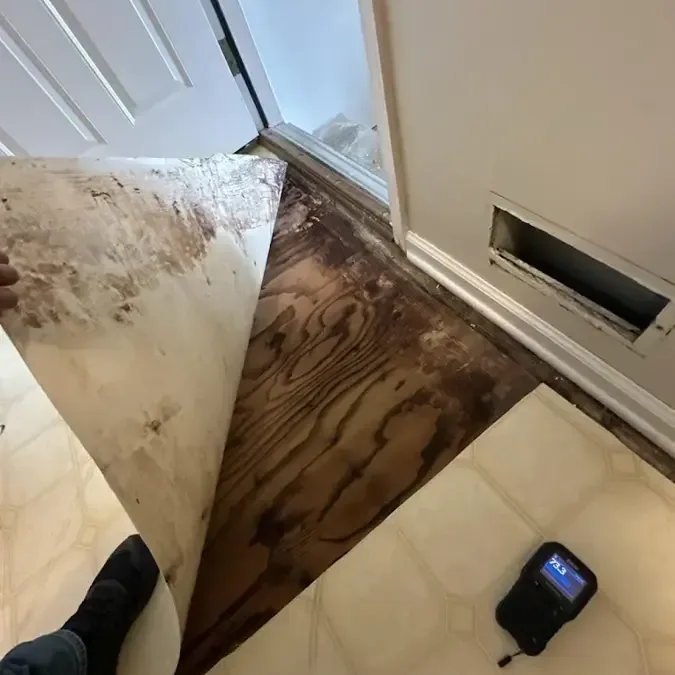
As liquid is removed, previously hidden surfaces become visible. The crew can record deposits, damaged finishes and trapped pockets before selecting the next cleaning step.
Any newly discovered utility concern or unstable component should be communicated to the property manager and the appropriate professional before work continues in that section.
Sort storage contents with ownership records
Stored boxes and items in parking spaces can belong to different residents. A contents log should identify the storage location, the apparent owner and the observed exposure without mixing items from adjoining spaces.
Photographs taken before handling preserve the original arrangement and help resolve questions about which belongings occupied the affected area.
Cleaning and disposal decisions need item specific evaluation and authorization. A sealed container, an absorbent carton and an upholstered object can present different conditions after contact with water.
The contractor should document the proposed handling and the owner's decision before items are moved to a shared staging area or removed.
The major July incident also flooded a Metro bus yard, and Metro inspected buses before returning them to service. A residential garage likewise benefits from clearly assigned assessment responsibilities: vehicle professionals evaluate vehicles, building professionals evaluate the structure and the contents process tracks household possessions.
Each decision belongs with its responsible party.
- Label contents groups by their original storage location.
- Record the owner contact before combining removal activities.
- Keep items awaiting decisions separate from approved waste.
Low cavities need attention after the concrete looks dry
A parking surface can appear improved while enclosed materials nearby still hold moisture. The drying assessment should include retained wall components, room partitions and other accessible materials reached by the flood.
The technician identifies measurement locations and explains which areas require further opening or monitoring.
Air movement and dehumidification must suit the spaces being dried, including enclosed rooms off the larger garage. A broad open area and a small storage room may need different equipment arrangements.
Progress readings let the contractor refine placement and show which retained materials are approaching their documented completion targets.
The manager should receive a location based account of remaining work. A storage room still drying, a wall awaiting reconstruction and a parking aisle ready for the next trade are different statuses.
Naming each area avoids reopening the whole garage based on the appearance of its most accessible section.
Reopening needs a coordinated property handoff
Reentry involves access, utilities, building conditions and any outstanding contractor work. The property manager should assemble the relevant professional findings and communicate which sections can resume use.
A clear notice can identify available entrances and remaining restrictions without requiring residents to interpret contractor equipment or temporary barriers themselves.
Some businesses closed while assessing damage after the major July break. For a residential property with commercial occupancy, the access discussion may need to include deliveries, staff and visitors as well as parked vehicles.
Each group needs a practical route that respects the remaining cleanup and repair areas.
The final garage file should contain the initial incident notes, photographs, contents decisions, removal records and drying results. Vehicle recovery paperwork can remain with the relevant owners while the property file records the completed access coordination.
This gives the manager a clear record of building recovery and the tasks that continue under other contractors.
Questions
Should a resident drive through shallow water to leave a garage?
The garage access should be assessed before vehicle movement is attempted. A property manager can coordinate a safe plan with responding professionals and communicate the available route to residents.
What should a manager report about storage areas?
The report should identify the affected enclosures, visible contents and the person who controls access. Photographs from a safe position help organize the later inventory without moving belongings prematurely.
Does removing standing water complete the building work?
Exposed surfaces still need assessment and cleaning, and absorbent or concealed materials may need removal or monitored drying. The completion record should identify the condition of each affected section.
How can residents tell which parts have reopened?
A location specific notice from the property manager should describe usable entrances, permitted parking areas and any rooms still restricted. The contractor findings support that communication and the remaining work schedule.