Structural Drying in West Hollywood
The floor may be clear while the building is still wet. Structural drying follows moisture inside retained materials, combining workable access with controlled air conditions and repeated readings to determine when the affected assembly is ready for repair.
(888) 578-6508Discuss moisture inside the structure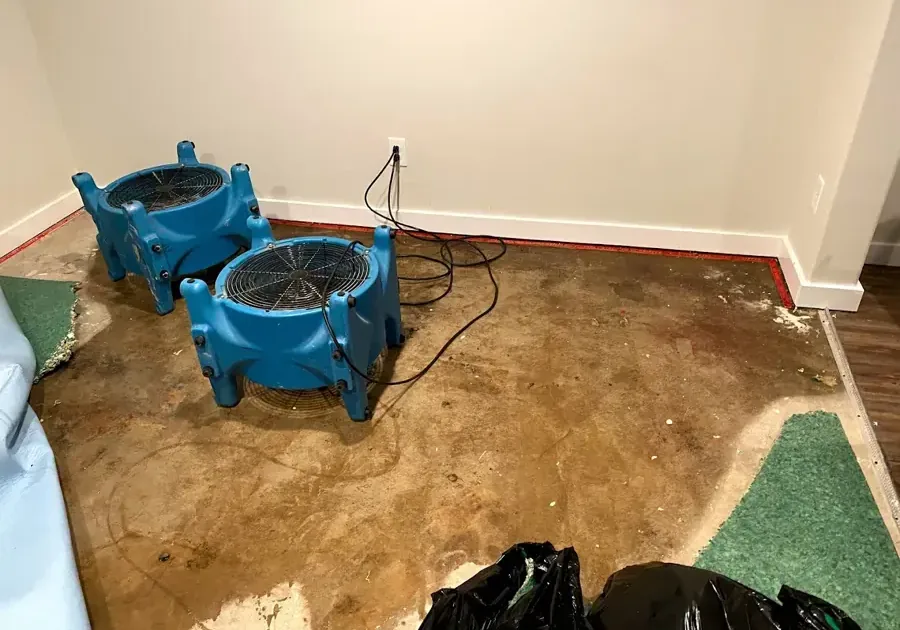
First steps for structural drying
- Confirm the source is controlled. Drying needs a stable starting condition. The property contact should explain source repairs and any continuing water entry before equipment is arranged around the affected materials.
- Identify spaces that need measurement. Visible damage and earlier water paths help direct inspection, including adjoining rooms where flooring or wall cavities may remain wet beyond the area that was initially cleaned.
- Plan equipment around occupied use. Residents or business staff need a clear route outside cords and equipment. Access requirements should be discussed before the setup occupies shared entrances or frequently used rooms.
- Keep the drying arrangement intact. Equipment placement and operating conditions affect progress. Any need to move or stop equipment should be discussed with the restoration contact so the drying plan can be adjusted.
What does structural drying cost in West Hollywood, CA?
Structural drying in West Hollywood is shaped by material type, hidden moisture and the access needed for effective equipment use. These planning ranges describe different drying scopes. Necessary removal, cleaning and later reconstruction should be identified clearly when the written estimate is established.
For a closer planning number, run the water damage cost calculator. The restoration contractor who responds prices the job after the walkthrough and the moisture map.
How structural drying proceeds
- Step 1
Establish material goals
The inspection identifies assemblies to be dried and suitable reference conditions, recording initial moisture so later progress can be compared at meaningful locations within the affected area.
- Step 2
Arrange the drying environment
Air movement, moisture removal and access are coordinated around retained materials, with attention to occupied routes and the practical limits of the room or assembly.
- Step 3
Respond to measured progress
Repeat readings show which surfaces are drying and which need a different approach. Equipment, access or the affected boundary can be adjusted when the material response warrants it.
- Step 4
Document completion and remaining work
The drying record states final conditions and identifies unfinished reconstruction, helping the next repair professional understand what is ready and which removed materials or finishes still need replacement.
A drying machine in a room is only part of the work. The important questions are which materials remain wet, whether air can reach them and how their moisture changes. Structural drying makes those questions measurable so the finish repair follows the condition of the building rather than its surface appearance.
Use the wet assembly to define the job
Apartment garages flooded during the major July 2026 water main break in West Hollywood. Water traveled along Palm Avenue toward Santa Monica Boulevard. After a similar loss is cleared, the remaining wall bases, floor materials and other contacted assemblies need assessment to establish their individual drying requirements.
The water source and contamination work come first. Water extraction removes accessible liquid, while cleaning and necessary removal prepare the retained structure. Measurements then define the drying area, including concealed edges that may respond differently from open surfaces in the same room.
Adjust the setup when materials respond differently
Air movers and dehumidification must work with access to the wet assembly. A blocked cavity or layered floor may need a change in approach. The recorded response helps explain those changes, especially when occupied space or stored contents limit where equipment can operate safely.
- Establish a suitable reference condition for the materials being dried.
- Record repeat measurements at identifiable locations throughout the affected area.
- Keep airflow paths clear of furnishings that obstruct the drying setup.
- Investigate persistent readings before concluding that equipment time alone will resolve them.
Make the endpoint understandable
Near Holloway Drive, as elsewhere in the city, the building's actual materials determine completion. A wood floor loss may need different evaluation from wet wallboard. Final readings and remaining repair notes explain what the drying achieved and what reconstruction work still belongs in the next stage.
Structural drying around West Hollywood
Structural drying near Palm Avenue, Santa Monica Boulevard and Holloway Drive can involve occupied apartments or shared building spaces. Access arrangements, retained materials and the earlier water path help establish a workable measurement and equipment plan.
The same service nearby: structural drying in Tarzana, Beverly Hills, Culver City.
Water damage restoration in West Hollywood · every town covered
Related water damage services in West Hollywood
Structural Drying questions in West Hollywood, CA
How is completion different from a dry feeling surface?
A surface impression does not describe the moisture within the full assembly. Completion is assessed through material readings and established goals, with concealed or layered materials considered alongside surfaces that are easy to touch.
Can every wet room use the same equipment arrangement?
Room layout, materials and access differ. The drying setup needs to address the actual wet assembly, then adapt to measurements rather than assuming identical equipment placement will work for all affected rooms.
Why are repeat readings necessary during drying?
Measurements show whether retained materials are responding and help identify areas that need changes. They also preserve a record of progress so the decision to remove equipment has a clear basis beyond elapsed time.
Should occupants open windows to speed the work?
Changes to the indoor environment can affect the established drying setup. Window use should be discussed with the restoration contact so temperature and humidity control remain coordinated with the equipment and material goals.
Does structural drying repair damaged finishes?
Drying addresses retained moisture. Removed wallboard, distorted flooring or damaged decorative surfaces can require later reconstruction, and the closeout should distinguish that remaining work from the moisture removal already completed at the property.
What if one area stays wet longer?
Persistent readings call for investigation of access, material layers or continuing moisture. The approach may need adjustment rather than simply continuing the same setup, especially where a cavity or floor assembly conceals wet material.
Let measured progress determine the drying endpoint
A useful drying record connects starting conditions, equipment adjustments and final readings. It also identifies the reconstruction that remains before the affected room is fully restored for ordinary use.
(888) 578-6508Discuss material drying goalsTarzana Water Damage Restoration
Tarzana, CA and Los Angeles County
(888) 578-6508 · open 24/7
Water and sewage losses only
Find us on Google