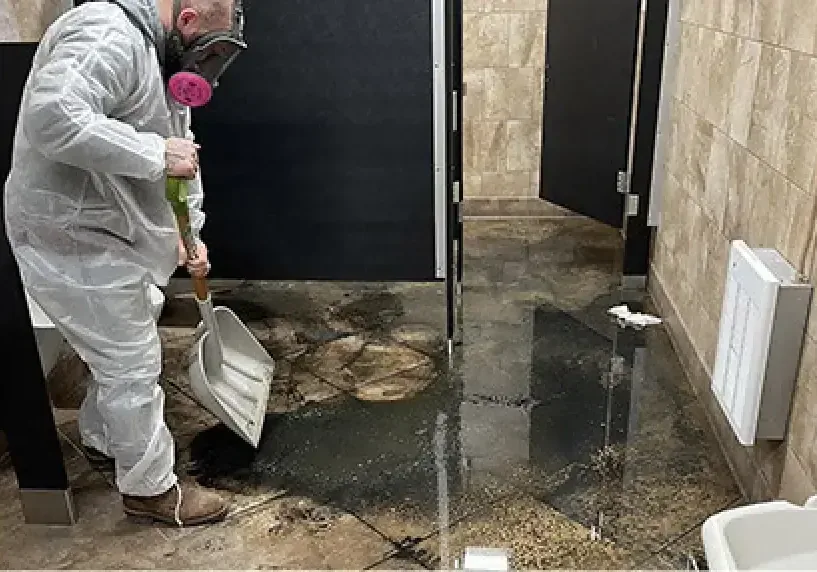
Beverly Hills maintains its municipal sewer system and directs residents to report sewer backups on their properties immediately. When wastewater enters a room, the cleanup needs an organized boundary around the affected area and a separate plan to investigate the drain obstruction. The first useful description identifies the fixture involved, where water traveled and which rooms remain accessible from a dry route.
Key takeaways
- Restrict access to rooms affected by wastewater and keep belongings in place until handling is planned.
- Report the backup promptly and describe the actual affected fixture and room.
- Arrange the drain investigation alongside cleanup of released wastewater.
- Record removed materials, cleaned surfaces and retained materials that need drying.
Begin the report with the fixture and the spread
A backup report should identify whether water appeared at a toilet, floor drain or another plumbing fixture. The observer can describe the direction of spread and whether additional water arrived during fixture use elsewhere in the building.
These details give the responding professionals a practical starting point for investigating the drainage problem.
A photograph from a dry position can show the room opening and the visible boundary of wastewater. The homeowner should avoid walking through the affected area to obtain a closer image.
If the room is inaccessible, a clear verbal description still allows the team to prepare for the conditions reported.
Sewage backup cleanup addresses the released wastewater and affected materials while the plumbing investigation identifies the obstruction or defect. Both parts need a named contact.
A household or property manager benefits from knowing who will update the drain status and who will authorize the cleanup scope.
- Identify the fixture where wastewater first appeared.
- Describe spread into closets, hallways or adjoining rooms.
- Report whether occupants can reach a dry exit without crossing the affected area.
Separate contaminated access from everyday movement
A room boundary should account for more than the visible puddle. Footprints, moved objects and cleaning attempts can carry affected material beyond the original wet area.
The contractor evaluates these routes when organizing containment and deciding where equipment, waste handling and clean storage will be located.
Occupants should keep pets and children outside the work area and avoid handling affected belongings. Ordinary household fans should remain out of use in the contaminated space until the cleanup professional has assessed conditions.
The work plan can then specify the appropriate sequence for extraction, material handling and later drying.
A dry room used for temporary storage should remain separate from the waste route. The crew can label contents groups before movement and protect the route used to remove damaged materials.
This organization makes it easier to track what has been evaluated and to keep unaffected belongings from being mixed with affected items.
Apartments need a shared access conversation
Apartment buildings are more concentrated south of Wilshire Boulevard than elsewhere in the city. In a shared building, a backup may require communication with the property manager and occupants of adjoining spaces.
The report should identify who has access to each room and who can authorize inspection of common plumbing areas.
The Flats lies south of Sunset Boulevard and north of Santa Monica Boulevard. Wherever the property sits, the inside access plan should be specific to its layout: stairs, corridors, fixtures and adjoining units.
Those details help coordinate a plumbing visit without sending unrelated occupants through the cleanup area.
If wastewater reaches another unit or a shared corridor, that space needs its own documented evaluation. The contact list should include the person responsible for arranging entry and communicating restrictions.
Keeping room records separate allows the property manager to understand the affected areas even when different occupants report the problem at different times.
- Identify a property contact for each affected space.
- Agree where removed materials will leave the building.
- Keep shared passageways clear of stored cleanup equipment.
Assess absorbent materials beneath the visible finish
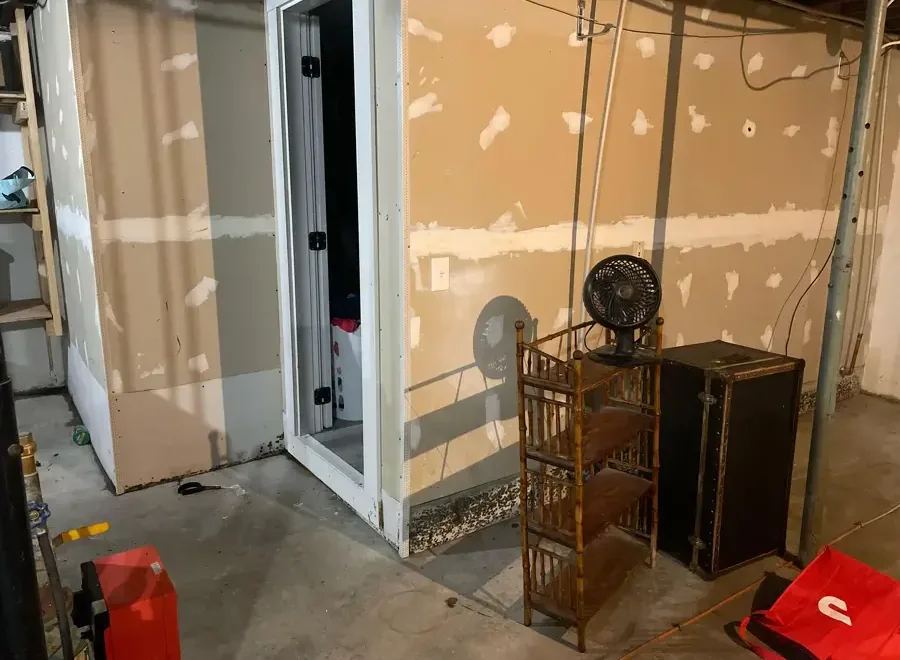
Carpet backing, wall cavities and cabinet bases can retain wastewater beyond the visible surface. The inspection identifies the layers present and their exposure before selecting removal or cleaning.
A smooth face on a floor covering should not end the investigation when the edges or backing have been reached by the release.
The removal record should name the item and its location, with photographs explaining the condition encountered. This helps an owner understand why apparently small areas can require access beneath trim or behind a fixture.
It also gives the rebuilding contractor a clear list of material layers to replace after mitigation.
Toilet overflow cleanup may involve a localized fixture event or a wider drain problem. The scope follows the observed water and affected assembly.
The team should describe which surfaces were cleaned, which materials were discarded and which exposed structural components remain for further treatment and monitored drying.
Keep drain maintenance and cleanup responsibilities clear
The city recommends annual maintenance of sewer lateral connections and advises video inspection and thorough lateral cleaning by a plumber. After an active backup is addressed, the owner can ask for a written account of the obstruction found and the work performed.
That record belongs with the cleanup photographs and material inventory.
Municipal advice also calls for slow blockage removal by hydro jetting or snaking to avoid pushing large debris into the sewer main. The plumbing professional should choose and carry out the appropriate method.
The household's useful role is to preserve the symptom history and report any continued backup after the intervention.
The city identifies disposable wipes as items that do not dissolve in the sewer system and advises keeping fats, oils and grease out of drains. These practices belong in the followup discussion once the immediate loss is controlled.
They give occupants concrete maintenance habits without replacing the investigation of the actual event.
- Retain the drain inspection findings with the project file.
- Record the location and nature of the obstruction described by the plumber.
- Communicate renewed fixture problems before finish work begins.
Dry the retained structure after the cleanup sequence
The structural drying process follows evaluation, removal and cleaning of affected materials. Retained components need accessible measurement points and a suitable dry comparison.
The technician can then explain the drying goal for each component and document how equipment placement serves that particular exposed assembly.
A drying log should distinguish moisture progress from the completion of cleaning tasks. These records answer different questions, and both matter to the final handoff.
The room should have a clear account of what was removed, what was treated and what remained wet enough to require additional monitoring.
Before reconstruction, the owner should receive the completion measurements and any outstanding work description. If a cavity remains open for plumbing access, that reason should be stated directly.
The next contractor can then coordinate closure with the responsible professional instead of assuming that every open section is ready for immediate repair.
Restore normal use with a complete room record
A household needs a clear statement of which rooms have completed the agreed work and which remain restricted. The project contact should assess the contents inventory before belongings return.
Items awaiting separate evaluation or cleaning should stay identified so they do not reenter a room simply because the building finishes look improved.
Repair planning can use the removal photographs to match trim, flooring transitions and cabinet details. The record also helps distinguish building work from replacement of personal belongings.
An organized file gives the owner a way to compare contractor scopes without relying on a recollection of conditions before cleanup began.
South Beverly Drive is a dining and shopping hub, while the Golden Triangle has its own commercial setting. A property contact arranging cleanup in either area should describe occupancy and access requirements with the same precision as the damage.
Clear coordination allows the room recovery plan to fit the building's actual use.
Questions
What details belong in an immediate sewer backup report?
The report should name the fixture, describe the affected rooms and state whether water is still arriving. Access restrictions and wet electrical equipment also need to be communicated from a safe location.
Can belongings be carried into an unaffected bedroom?
Handling should follow the contractor's assessment and storage plan. A separate staging location helps keep exposed items identifiable while their cleaning or disposal needs are evaluated.
Why are drain records useful after the room is cleaned?
They document the cause identified and the corrective work performed. The owner can refer to those findings if symptoms return and can share them with a later plumbing professional.
What makes a drying handoff useful to a repair contractor?
It identifies the retained assembly, the final readings and the exact areas removed. It also states any plumbing access still required so the next trade can schedule closure appropriately.