Beverly Hills Sewage Backup Cleanup
Wastewater rising through a drain changes how an interior must be handled. Keep the affected rooms restricted while the drainage problem is investigated, then address contaminated materials and retained moisture through an organized cleanup and drying scope.
(888) 578-6508Discuss wastewater inside the property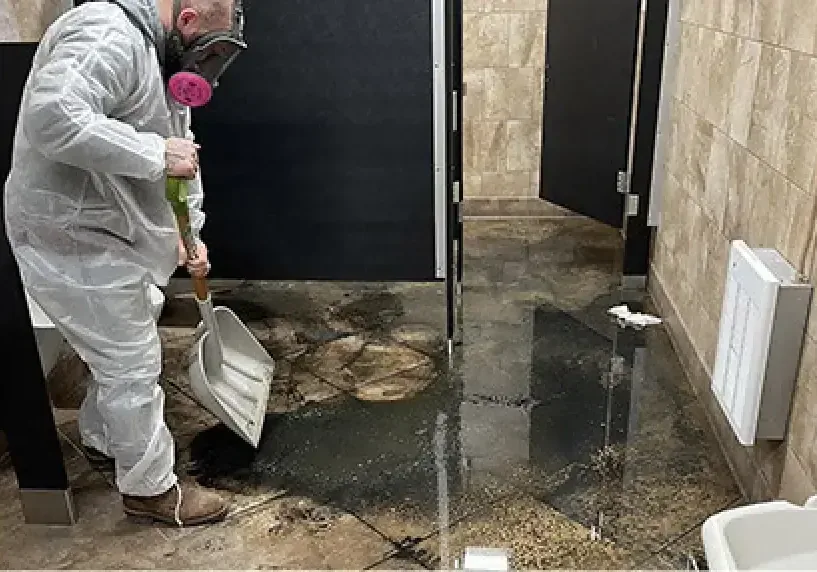
First steps for sewage backup cleanup
- Report the property backup promptly. Contact the city about the sewer backup and arrange plumbing investigation, describing which drains are involved and whether wastewater is still entering the occupied interior.
- Restrict the affected rooms. Keep occupants and pets outside the exposed area and avoid moving wet contents into clean rooms while the contamination boundary and safe work route are established.
- Record the exposure from outside. Photograph the affected surfaces and contents from a safe position, preserving a useful record without stepping through sewage or disturbing materials that require controlled handling.
- Ask for a defined cleanup scope. The proposal should identify water collection, porous material removal, retained surface treatment and drying, with blockage clearance and later replacement work explained as separate tasks.
What does sewage backup cleanup cost in Beverly Hills, CA?
Sewage backup cleanup in Beverly Hills ranges from $1,500 to $8,000 across these planning categories. Exposure extent, porous material disposal and access control affect the estimate, while drainage repair and reconstruction should remain visible as separate items in the written scope.
For a closer planning number, run the water damage cost calculator. The restoration contractor who responds prices the job after the walkthrough and the moisture map.
How sewage backup cleanup proceeds
- Step 1
Establish containment and source status
The assessor identifies wastewater entry and exposed rooms, coordinating with the drainage investigation while planning protected access for collection, removal and disposal of affected materials.
- Step 2
Remove contamination holding materials
Water and debris are collected, with porous materials evaluated for removal so contamination is not left concealed beneath surfaces that appear clean after initial extraction.
- Step 3
Treat suitable remaining surfaces
Cleaning addresses the retained assembly and work route, using a method appropriate to the exposure before the room is prepared for controlled moisture removal and eventual repairs.
- Step 4
Document the recovery conditions
The completion record separates material disposal, surface treatment and drying findings, giving the property contact a clear account of remaining plumbing or finish replacement needs.
When sewage enters a room, restoring drain flow is only part of the response. Beverly Hills asks residents to report sewer backups on their properties immediately. The city maintains its municipal sewer system, while a plumbing investigation determines the location and nature of the problem affecting the property.
Keep the blockage investigation separate from interior exposure
The city recommends annual sewer lateral maintenance, video inspection and thorough cleaning. It also advises slow blockage removal by hydro jetting or snaking to avoid pushing large debris into the main. Those drainage tasks need coordination with the cleanup boundary inside the building.
Medical offices and bank branches are found on Linden, Roxbury, Bedford and Camden drives. La Cienega includes Restaurant Row. A backup affecting occupied premises requires controlled access so employees, visitors and cleanup traffic do not carry residues into unaffected rooms.
Material choices follow contact and cleanability
Wastewater can penetrate carpet, underlay and other absorbent finishes. Collection alone cannot make those layers suitable to retain. The toilet overflow service covers fixture related exposure, while a wider backup may involve several drains and a larger material removal plan.
- Identify every room reached by the backup before establishing containment.
- Record affected contents without carrying them through clean occupied spaces.
- Discuss porous finish removal before assuming extraction will be sufficient.
- Keep wastewater collection and disposal away from city storm drainage.
Prepare retained surfaces before drying them
Contaminated debris and unsuitable materials are removed before detailed cleaning of the surfaces that remain. Work routes, equipment handling and disposal should preserve the boundary between affected and unaffected areas. Ordinary air circulation should not spread contamination during this stage.
Once the interior is prepared, the structural drying service addresses retained moisture. Records should distinguish cleaning completed, materials removed and moisture findings, with any drainage repair or finish replacement still needed clearly identified for the property contact.
Sewage backup cleanup around Beverly Hills
Sewage exposure assessments cover affected residential and commercial interiors. Describe shared corridors, occupied rooms and any restricted access so contaminated material handling can be planned around a protected route through the property during cleanup work.
The same service nearby: sewage backup cleanup in Tarzana, West Hollywood, Culver City.
Water damage restoration in Beverly Hills · every town covered
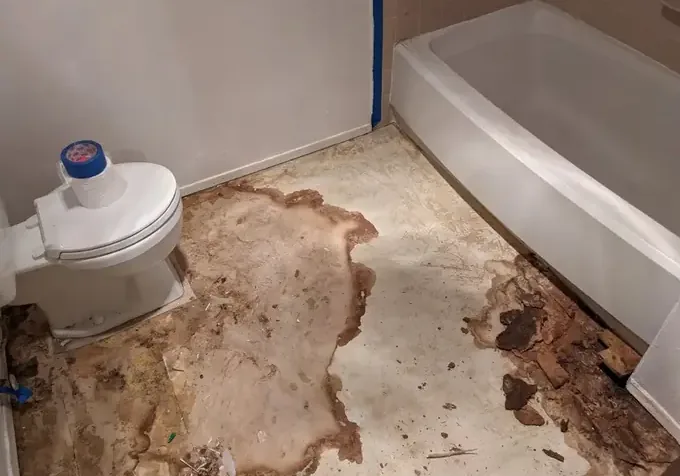
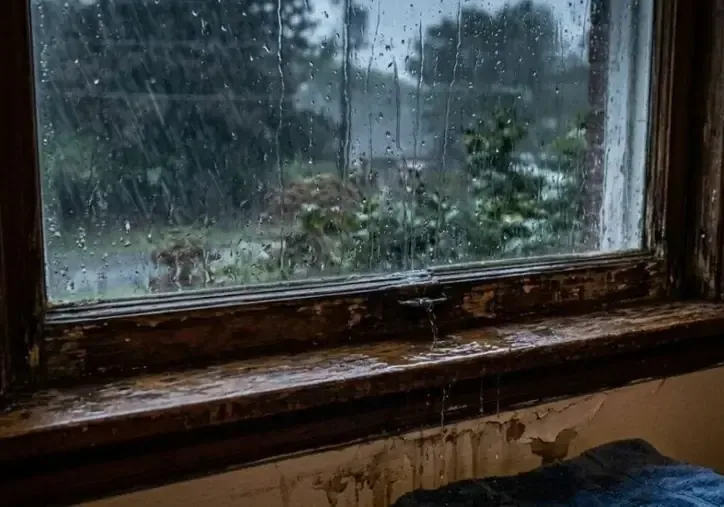
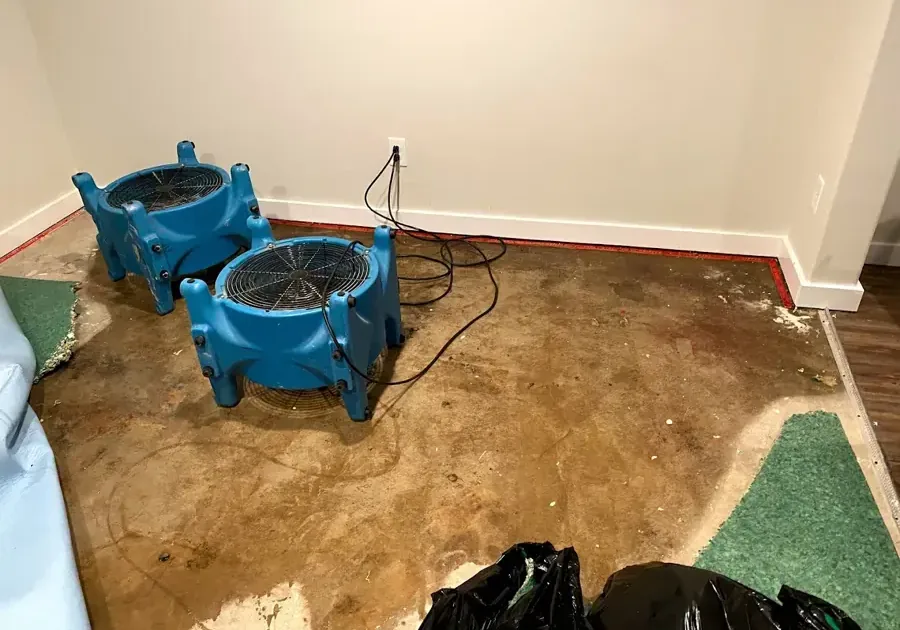
Related water damage services in Beverly Hills
Sewage Backup Cleanup questions in Beverly Hills, CA
Who should receive a report of the backup?
The city directs residents to report property sewer backups immediately. A plumbing contact investigates the drainage problem, while restoration personnel assess the wastewater exposure and cleanup needs inside the affected building.
Does clearing the drain remove the contamination?
No. Restored flow addresses the blockage, but sewage already inside the property still requires handling. Exposed porous finishes and retained surfaces need assessment before the room returns to normal use.
Can wet carpet remain after sewage extraction?
Sewage contact can make porous layers unsuitable for retention. The decision considers exposure and cleanability, with removal often needed to reach and treat the substrate before drying the remaining assembly.
Why keep air movers off untreated surfaces?
Air movement can distribute contaminants before the area has been prepared. Collection, material removal and cleaning should establish suitable conditions before equipment is used to dry the retained structure.
How does routine lateral care help property planning?
The city recommends annual maintenance and inspection of sewer lateral connections. That advice supports preventive drainage attention, while any active backup still needs diagnosis of the actual obstruction and interior exposure.
What should a business protect during cleanup?
Keep clean stock, documents and occupied workspaces away from contaminated traffic. The access plan should identify removal routes and restricted rooms so routine business movement does not cross the cleanup boundary.
Make each recovery task clear
A written scope should connect exposure, removal, cleaning and drying without losing track of the drainage repair. Discuss affected surfaces before contents are moved or finishes replaced.
(888) 578-6508Discuss controlled sewage cleanupTarzana Water Damage Restoration
Tarzana, CA and Los Angeles County
(888) 578-6508 · open 24/7
Water and sewage losses only
Find us on Google