Structural Drying in Beverly Hills
Comfortable room air can coexist with a wet wall or substrate. Structural drying uses material measurements, controlled humidity and useful airflow to move retained moisture out of the building after the source and cleanup needs are addressed.
(888) 578-6508Discuss retained building moisture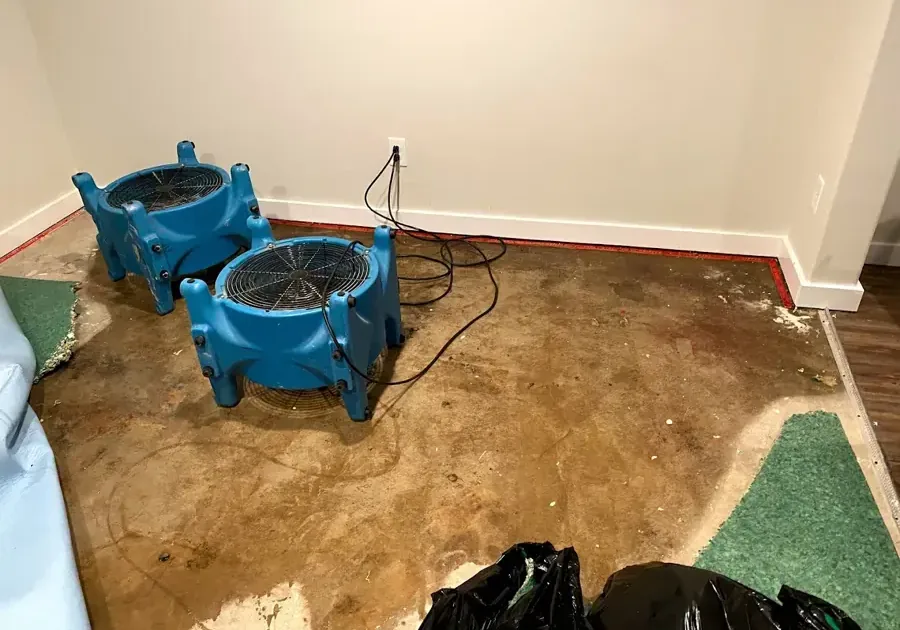
First steps for structural drying
- Confirm the source is controlled. Explain whether plumbing, roof or equipment repairs are complete so the drying plan can distinguish residual moisture from new water continuing to enter the building assembly.
- Identify retained and removed materials. Ask which finishes remain in place, which need opening and how those choices give equipment access to the surfaces that actually require continued moisture removal.
- Discuss occupied room access. Tell the assessor about bedrooms, workspaces and shared corridors that remain in use so equipment routes and operating arrangements can be explained before the setup begins.
- Request an understandable endpoint. The scope should describe how material readings will establish completion and what records will be available before replacement finishes or repairs conceal the treated areas again.
What does structural drying cost in Beverly Hills, CA?
Structural drying in Beverly Hills is planned from $1,000 to $6,000 across these examples. Material density, concealed access, equipment needs and measured progress affect the scope. The estimate should distinguish drying from source repair, damaged material disposal and later reconstruction.
For a closer planning number, run the water damage cost calculator. The restoration contractor who responds prices the job after the walkthrough and the moisture map.
How structural drying proceeds
- Step 1
Build the starting moisture map
The assessment records wet locations and appropriate reference conditions, identifying retained materials and access barriers before equipment selection or a drying endpoint is established for the property.
- Step 2
Arrange a controlled environment
Equipment matches the accessible assembly. The property contact receives an explanation of safe routes and operating conditions before setup.
- Step 3
Adjust from measured response
Progress checks show where materials are drying and where access or setup changes may be needed, keeping equipment decisions connected to the observed response rather than habit.
- Step 4
Document the final assembly condition
The final assessment records the moisture findings and remaining physical repairs, supporting a clear transition from drying operations to reconstruction or return of the affected room to use.
An empty room with equipment running still needs a defined drying target. Beverly Hills includes large houses in Trousdale Estates and a greater concentration of apartment buildings south of Wilshire Boulevard. Those different property settings affect access and occupancy, while the actual wet materials determine the drying method.
Identify what remains after removal
Before equipment is positioned, the scope should list the assemblies intended to stay. Wall components, floor layers and other retained materials may need different access. A damaged layer that blocks drying cannot be treated as though airflow across its face will reach everything underneath.
In the Golden Triangle, bounded in part by Crescent Drive, occupied commercial space may require protected routes around equipment. Residential rooms need similar attention to access. The setup should allow useful air movement without obstructing safe exits or ignoring enclosed wet edges.
Use readings to explain equipment decisions
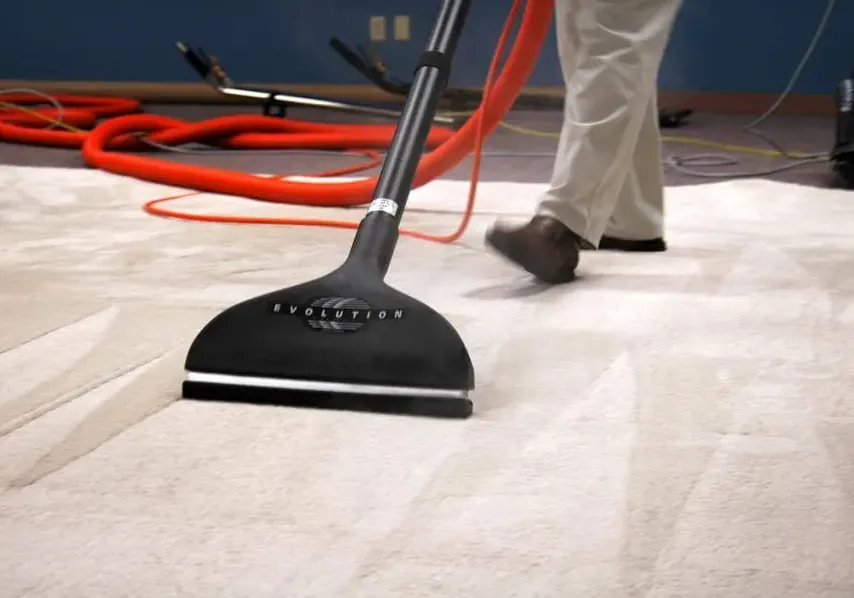
Humidity control helps remove moisture released into the room, while directed airflow supports evaporation at suitable surfaces. Measurements show whether those actions are reaching the affected assembly. The extraction page covers the earlier removal of accessible water that should not be left for drying equipment to handle alone.
- Record the wet materials and suitable dry comparison locations.
- Identify openings needed to reach moisture behind retained finishes.
- Discuss equipment operation and protected access with the property contact.
- Connect changes in the setup with the measured drying progress.
Close the work with a material record
Ending the job should depend on the remaining structure rather than a room feeling warm. The completion record identifies the checked locations and outstanding repair needs, providing a practical handoff to the contractor replacing removed finishes.
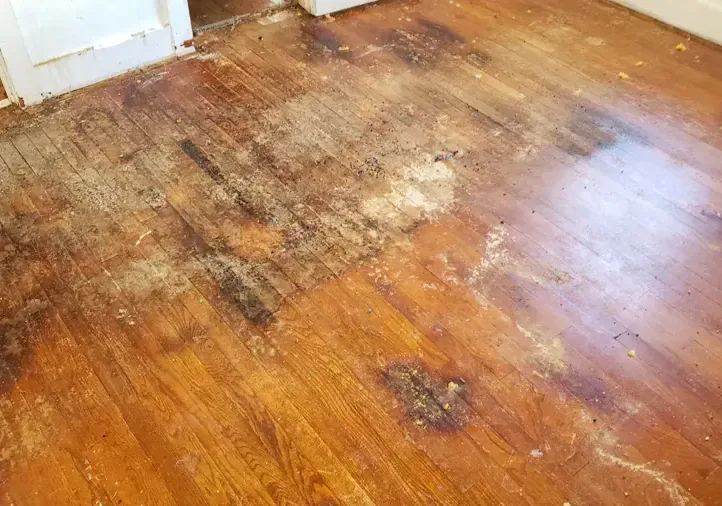
When wood boards are involved, the floor assessment adds material condition and substrate considerations. Drying can support a repair decision, but it does not replace evaluation of physical damage or the installation requirements of the new finish.
Structural drying around Beverly Hills
Drying assessments include houses, apartments and business interiors with retained wet assemblies. Explain occupancy and access needs along with the source repair status so equipment placement can support both material drying and safe movement around the work.
The same service nearby: structural drying in Tarzana, West Hollywood, Culver City.
Water damage restoration in Beverly Hills · every town covered
Related water damage services in Beverly Hills
Structural Drying questions in Beverly Hills, CA
Is warm room air a sign that drying is done?
Equipment operation can make a room warm while moisture remains inside its materials. Readings from affected assemblies and suitable reference areas show whether the drying work has reached an appropriate endpoint.
Why are access openings sometimes necessary?
A finish layer can obstruct moisture removal from the material behind it. Selective access may expose that wet area for assessment and drying, avoiding continued equipment operation that never reaches the concealed moisture.
Can occupants switch equipment off overnight?
Equipment operation should follow the agreed drying plan. Interruptions can change humidity and drying progress, so discuss noise or access concerns with the responsible contact before altering the setup or operating schedule.
Does every affected room need identical equipment?
No. Material type, wet extent and access differ between rooms. The drying plan should explain the placement needed for each affected assembly rather than assume an identical arrangement is suitable throughout the property.
What if readings stop improving?
A stalled response calls for reassessment of the source, access and material condition. The setup may need adjustment, or a layer may require removal before the remaining assembly can dry effectively.
What should be available when drying ends?
A useful record identifies the treated areas, final moisture findings and any remaining repair needs. That information supports the next contractor's work before finishes are replaced and access to the assembly is closed.
Know what supports the end of drying
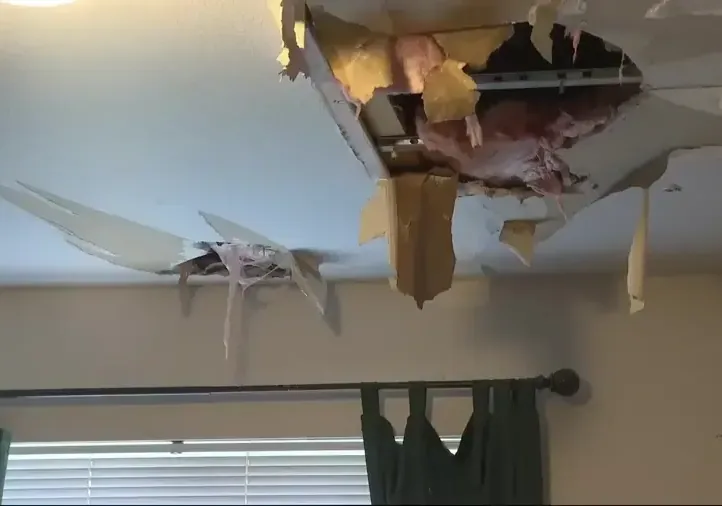
Request a plan that explains the checked materials and the completion conditions. Those details make the transition to floor, wall or ceiling repairs clearer for the property contact.
(888) 578-6508Discuss the drying endpointTarzana Water Damage Restoration
Tarzana, CA and Los Angeles County
(888) 578-6508 · open 24/7
Water and sewage losses only
Find us on Google