San Fernando AC Condensate Water Damage
A ceiling stain beneath cooling equipment may develop gradually while the system still runs. Condensate damage assessment connects the drainage problem with wet insulation, framing and finishes so equipment service and building restoration can proceed together.
(888) 578-6508Discuss moisture beneath cooling equipment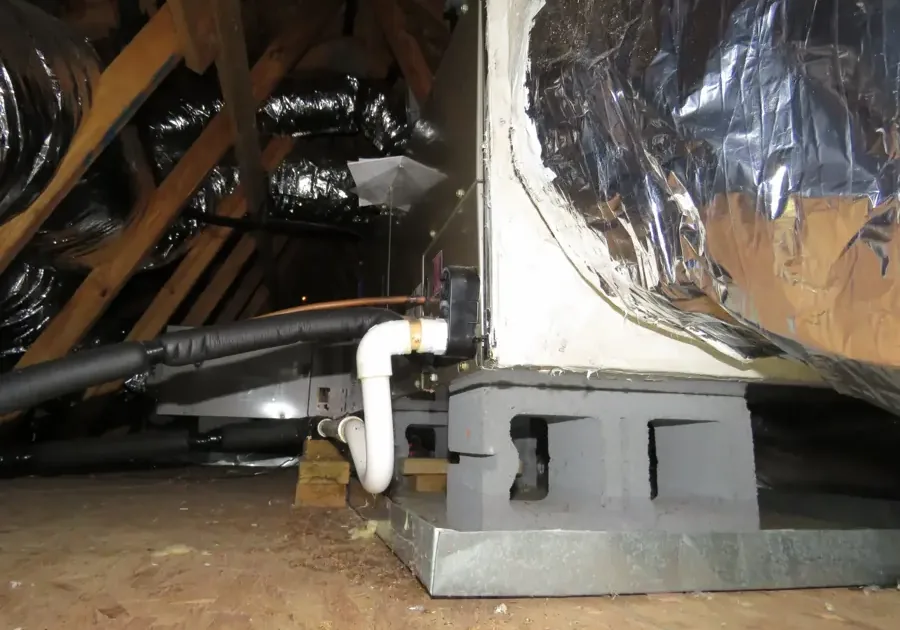
First steps for AC condensate water damage
- Report the cooling related symptoms. Note when dripping appears and whether it changes while the equipment operates. Keep observations to areas that can be reached safely without entering the unit or wet attic.
- Arrange equipment service safely. Contact the appropriate air conditioning professional about the drainage fault. Avoid touching wet controls or trying to clear concealed drains where electrical exposure and access conditions are uncertain.
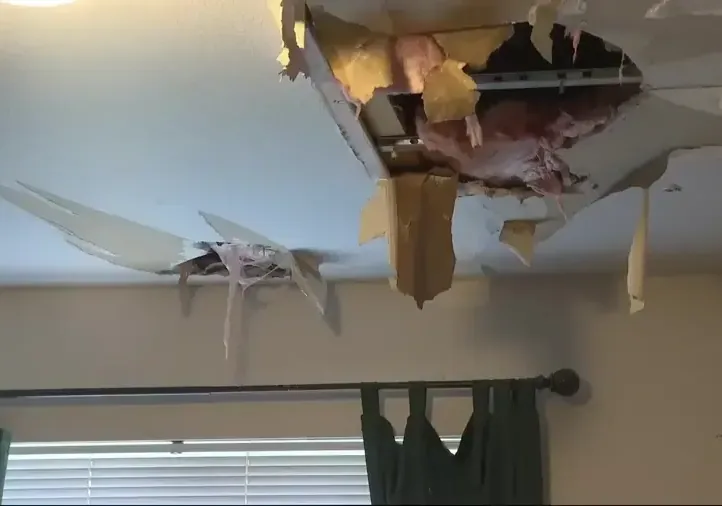
- Restrict the room beneath damage. Keep occupants away from softened ceiling finishes and wet light fittings. Describe any sagging or falling material so the restoration assessment can prioritize safe access below the equipment.
- Coordinate inspection of concealed layers. Provide access details and the equipment repair status. The restoration plan should account for insulation and framing that may remain wet after the drainage problem has been corrected.
What does AC condensate water damage cost in San Fernando, CA?
AC condensate water damage in San Fernando varies with equipment access, wet insulation and the spread through ceiling or wall assemblies. These ranges concern interior restoration. Cooling equipment service, drainage repair and replacement finishes should be identified separately from the removal and drying work.
For a closer planning number, run the water damage cost calculator. The restoration contractor who responds prices the job after the walkthrough and the moisture map.
How AC condensate water damage proceeds
- Step 1
Connect the unit to the stain
Coordinate the equipment diagnosis with an interior moisture assessment. Trace accessible wet areas between the drainage components and the ceiling or wall where water appeared.
- Step 2
Inspect insulation and hidden edges
Determine which layers remain damp and whether they can be reached safely. Explain any necessary opening or material removal before equipment placement and building drying are planned.
- Step 3
Dry the retained ceiling assembly
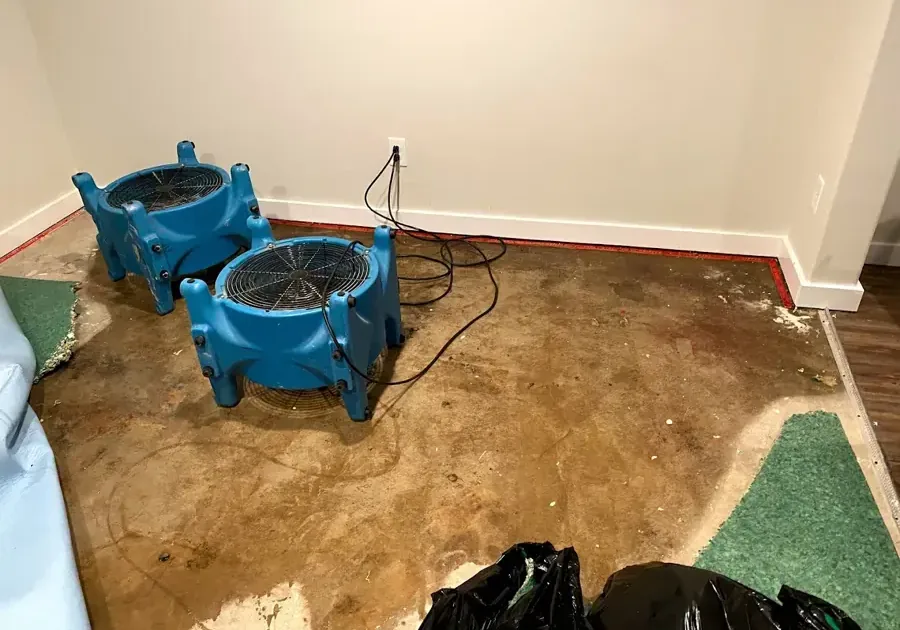
After source correction and necessary material handling, direct drying toward exposed wet layers. Repeated readings help distinguish normal progress from renewed wetting during equipment operation or testing.
- Step 4
Prepare separate service and restoration records
Keep the equipment repair information alongside removal notes and final moisture conditions. The contractor can identify remaining ceiling or wall repairs before closing the assembly.
A condensate drainage fault can wet insulation repeatedly before a stain becomes obvious in the room below. The equipment may still appear to cool normally. Restoration therefore needs both the service diagnosis and an assessment of the building materials reached by the escaped water.
Record when the moisture becomes visible
Tell the equipment professional whether the stain changes during cooling operation and where water appears around the unit or ceiling. Avoid opening equipment or entering an unsafe attic to investigate. Observations from the occupied room can help coordinate source service without exposing residents to wet wiring or unstable surfaces.
At properties near Rudy Ortega Sr. Park, Las Palmas Park or Layne Park, access planning begins with the actual equipment location. Describe a reachable service door or attic hatch and any room below it that must be kept clear while the equipment and surrounding materials are assessed.
Follow water beyond the drain pan
Water escaping a pan or drain connection can enter insulation, travel along framing and descend into wall cavities. Fixing the drainage problem leaves those materials needing their own decisions. Inspect the edges beyond the visible stain and document any access necessary to reach concealed wet layers.
- Note the relationship between cooling use and visible interior dripping.
- Report a wet light fixture or softened ceiling below the equipment.
- Keep service access clear without moving across unstable attic surfaces.
- Record equipment work separately from ceiling and insulation restoration tasks.
Coordinate source testing with the material endpoint
The equipment trade should verify its repair before normal operation resumes. A weakened finish may need ceiling leak restoration, while retained framing can require structural drying. The room's apparent dryness should be checked against the accessible assembly readings.
Before closing the ceiling, combine the equipment repair information with photographs, removal notes and final moisture conditions. That handoff explains which problem was corrected at the unit and what work was completed on the building beneath it.
AC condensate water damage around San Fernando
Condensate damage assessment can be coordinated for homes near Pioneer Park and along Arroyo Avenue. Share the service entrance, equipment location and affected room below so source work and material inspection can use safe planned access.
The same service nearby: ac condensate water damage in Tarzana, West Hollywood, Beverly Hills.
Water damage restoration in San Fernando · every town covered
Related water damage services in San Fernando
AC Condensate Water Damage questions in San Fernando, CA
Can the air conditioner cool while condensate leaks?
Cooling and drainage need separate checks. Report the water symptoms to the equipment professional and arrange an assessment of affected building materials even if the room temperature still seems normal.
Should the drain pan be emptied by an occupant?
Access may involve energized equipment, wet insulation or uncertain footing. Leave inspection and drainage work to the appropriate professional, and describe what can be observed safely from the room or service entrance instead.
Why inspect insulation after the drain is repaired?
Insulation may retain water that escaped before correction and can conceal wet framing beneath it. Its condition and the surrounding assembly need assessment before the ceiling is closed or the damage is treated as complete.
Does a small stain mean a small wet area?
Water can travel along framing before reaching the visible finish. The inspection follows accessible routes around the stain to determine whether insulation, wall cavities or other ceiling layers were also reached by the leak.
Can the room remain occupied during drying?
Room use depends on ceiling stability, electrical concerns and the equipment arrangement. Discuss access and occupancy with the contractor, especially where overhead material removal or a protected work area interrupts the normal household route.
What should happen before repainting the ceiling?
Equipment correction, damaged material decisions and moisture assessment come first. Keep the service record with final drying information so the finish contractor understands the source has been addressed and which building repairs remain necessary.
Resolve the drainage and the damp assembly
A connected scope keeps equipment repair distinct from insulation, framing and ceiling work, then records the material condition before the room is closed up and returned to normal use.
(888) 578-6508Discuss the wet ceiling below equipmentTarzana Water Damage Restoration
Tarzana, CA and Los Angeles County
(888) 578-6508 · open 24/7
Water and sewage losses only
Find us on Google