Structural Drying in San Fernando
A clean floor does not reveal how much water remains in the wall base or substrate. Structural drying uses material readings and controlled equipment placement to address retained moisture after source correction and the necessary cleanup.
(888) 578-6508Discuss retained building moisture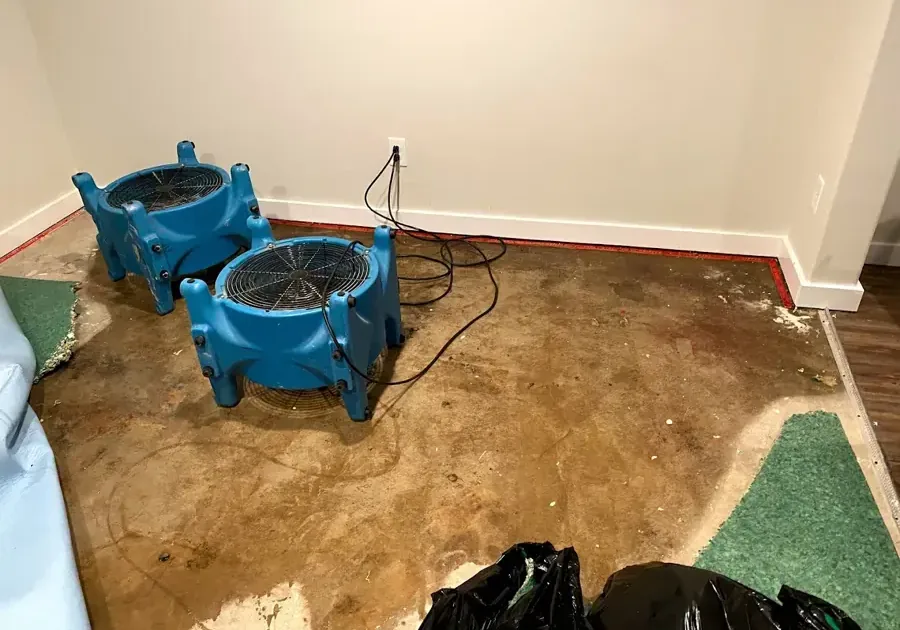
First steps for structural drying
- Confirm that incoming water stopped. The crew needs the source repair status and any signs of returning dampness. Stopping further leakage lets drying equipment remove moisture already held in the affected assembly.
- Identify the affected construction layers. Tell the assessor about known floor coverings, wall openings and concealed spaces. Inspection of the actual materials establishes where measurements and drying access are needed inside the building.
- Agree on equipment and access. Discuss occupied routes, electrical needs and the proposed drying area. Keep vents, hoses and openings clear so the setup can operate as intended during the monitored work.
- Keep the measurement record available. Ask how followup readings and changes will be documented. The record should explain progress and the conditions that must be met before equipment removal or enclosure of the materials.
What does structural drying cost in San Fernando, CA?
Structural drying in San Fernando is scoped around material depth, access and measured response. The ranges below support planning for retained wet assemblies. Equipment use, monitoring visits, necessary openings and separate reconstruction should be explained in the proposal so the drying task is clearly defined.
For a closer planning number, run the water damage cost calculator. The restoration contractor who responds prices the job after the walkthrough and the moisture map.
How structural drying proceeds
- Step 1
Establish material reference conditions
Identify affected and suitable unaffected areas for comparison. Record the material type and measurement position so later checks can track the same portion of the assembly accurately.
- Step 2
Design access and equipment placement
Determine how moisture can leave the retained layers. Explain planned openings and arrange air movement with moisture removal around the actual surfaces available for effective drying.
- Step 3
Follow the material response
Repeat measurements and evaluate the drying trend. Adjust access or equipment when progress indicates a concealed wet layer, restricted airflow or another condition that needs attention.
- Step 4
Document the drying endpoint
Provide the final material assessment before equipment is removed. Note remaining repairs and any areas that require further access so the next contractor understands the condition before enclosure.
Drying a building is a material problem, not simply a matter of leaving fans in a room. Framing, wallboard and substrate release retained water differently. An effective setup starts with what is wet, how it can be reached and what readings will demonstrate progress through the affected assembly.
Set a useful starting record
The city has homes and community spaces including San Fernando Library, Las Palmas Park and Rudy Ortega Sr. Park. For any affected building, the drying plan comes from the construction present in the wet area. Record accessible layers and suitable dry comparison points before choosing equipment placement.
A sketch should show where readings were taken so subsequent checks return to the relevant materials. Include lower wall edges and concealed floor layers where access permits. Air conditions in the room provide context, but the retained building materials need their own measurements during the work.
Give retained water a practical exit path
Closed cavities, intact coverings and dense layers can restrict evaporation. The scope should explain any opening that improves access and distinguish necessary removal from material that can remain. Drying equipment then manages air movement and moisture removal around the exposed surfaces rather than only circulating room air.
- Identify the wet material behind each recorded measurement location.
- Keep equipment placement connected to the accessible damp surface area.
- Report continued leaks that could reverse the measured drying progress.
- Preserve openings until the affected layers have been reassessed.
Connect the endpoint to the next trade
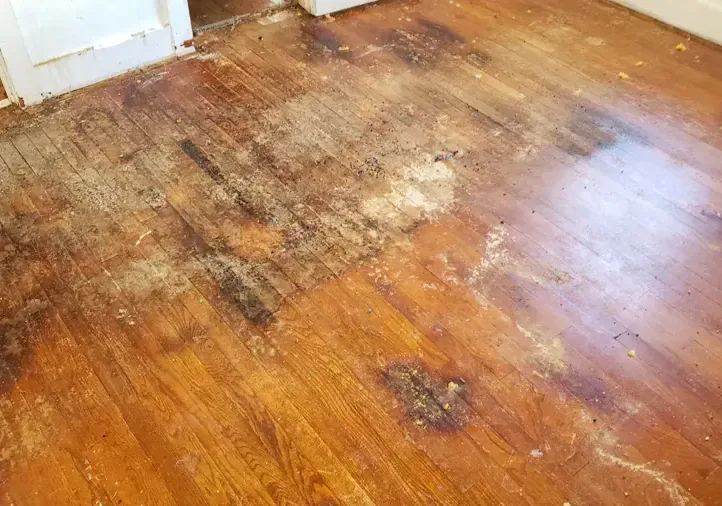
Water extraction precedes this stage where liquid remains. A damaged wood assembly may also need floor specific assessment. The final drying record should identify which retained layers were checked and any unresolved access or repair needs.
Rebuilding can then proceed with a clear account of the structure. Closing a wall or replacing a covering should follow that material assessment, with the installer also considering the requirements of the selected replacement product.
Structural drying around San Fernando
Material drying assessments are available for properties around Layne Park and Glenoaks Boulevard. Describe the affected assemblies, existing openings and occupied areas that must remain accessible so equipment placement can be coordinated with daily building use.
The same service nearby: structural drying in Tarzana, West Hollywood, Beverly Hills.
Water damage restoration in San Fernando · every town covered
Related water damage services in San Fernando
Structural Drying questions in San Fernando, CA
How is structural drying different from extraction?
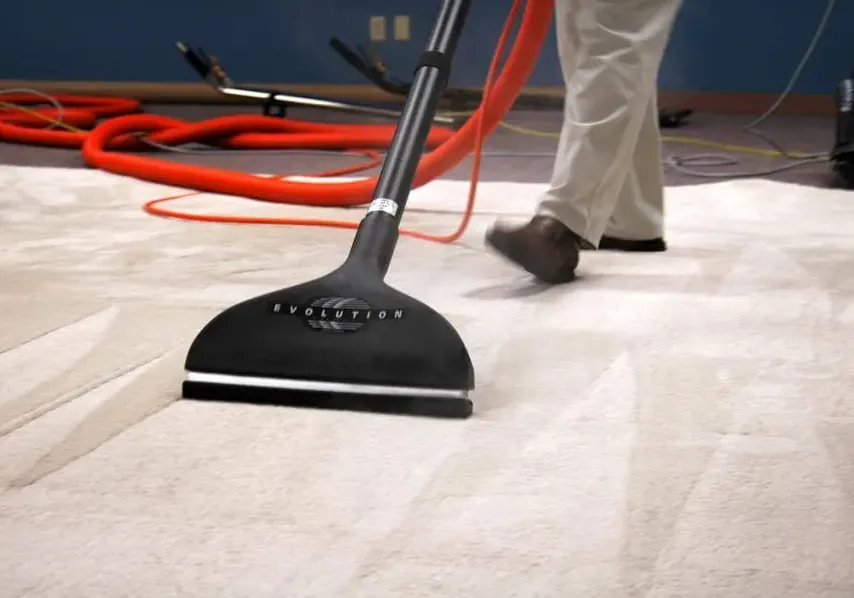
Extraction removes accessible liquid. Structural drying addresses water retained inside materials after that removal and any necessary cleaning, using equipment and repeated measurements to track the condition of the affected assembly over time.
Can an open window replace drying equipment?
Outdoor air conditions and the building assembly influence evaporation. A planned setup manages air movement and moisture removal while material readings show progress, rather than relying solely on how the room feels to an occupant.
Why are repeated readings needed?
A sequence of measurements shows whether the retained material is responding to the setup. It can reveal restricted access or renewed wetting and provides a documented basis for changing equipment or ending the drying phase.
Should occupants turn equipment off overnight?
Discuss noise and occupancy concerns with the contractor before altering operation. The equipment arrangement is part of the drying plan, and interruptions may affect moisture control and the interpretation of subsequent material readings.
Do all wet walls need to be opened?
The decision depends on condition, contamination and access to the affected layers. The scope should explain which openings are necessary and how materials left in place will be measured and reached by the drying setup.
What does the rebuilding contractor need afterward?
Provide final moisture information, locations of removed materials and any remaining access concerns. That record supports repair planning, while the installer also checks the requirements of the replacement finishes and materials selected for the project.
Connect equipment use with material progress
A documented drying scope makes the purpose of openings and equipment clear, then records the building's condition before the next contractor replaces finishes or closes affected cavities.
(888) 578-6508Discuss the material drying recordTarzana Water Damage Restoration
Tarzana, CA and Los Angeles County
(888) 578-6508 · open 24/7
Water and sewage losses only
Find us on Google