San Fernando Water Extraction
A puddle that reaches another doorway needs more than towels. Extraction removes recoverable water from floors and absorbent coverings while an inspection identifies the deeper layers that still need drying.
(888) 578-6508Arrange pooled water removal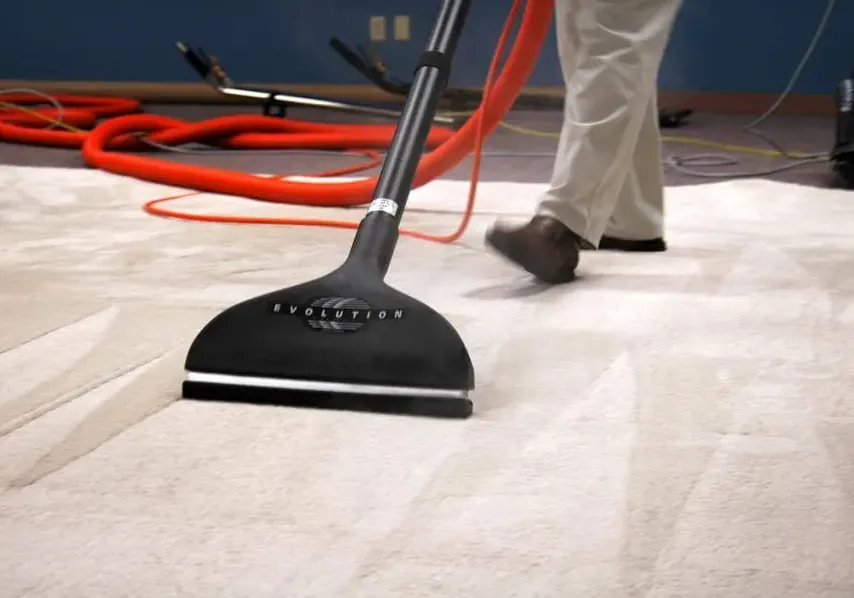
First steps for water extraction
- Keep a dry approach. Choose an entrance that avoids standing water and unstable finishes. Explain any outlet, cord or electrical appliance within the wet area before work begins.
- Identify the active inflow. Describe the fixture, doorway or other entry point feeding the puddle. A safe source shutoff prevents extraction from competing with a continuing discharge indoors.
- Record affected floor coverings. Note which rooms contain carpet, wood or tile. Include closets and adjoining spaces where water crossed a threshold or disappeared beneath a fixed cabinet.
- Clear accessible small belongings. Move dry lightweight items only along a safe route. Leave heavy furniture and soaked contents for a handling plan that protects occupants and remaining dry surfaces.
What does water extraction cost in San Fernando, CA?
Water extraction in San Fernando depends on the volume, floor coverings and effort needed to reach trapped liquid. These ranges support initial planning; the written scope should distinguish bulk removal from material drying, disposal and any later rebuilding tasks.
For a closer planning number, run the water damage cost calculator. The restoration contractor who responds prices the job after the walkthrough and the moisture map.
How water extraction proceeds
- Step 1
Survey water distribution
Mark pools and damp margins before selecting recovery tools. The assessment distinguishes standing liquid from moisture already absorbed into surrounding porous building materials and furnishings.
- Step 2
Extract through accessible areas
Recover liquid systematically across affected surfaces. Adjust the tool to the covering and inspect corners that furniture, partitions or cabinetry make difficult to reach.
- Step 3
Evaluate underlying layers
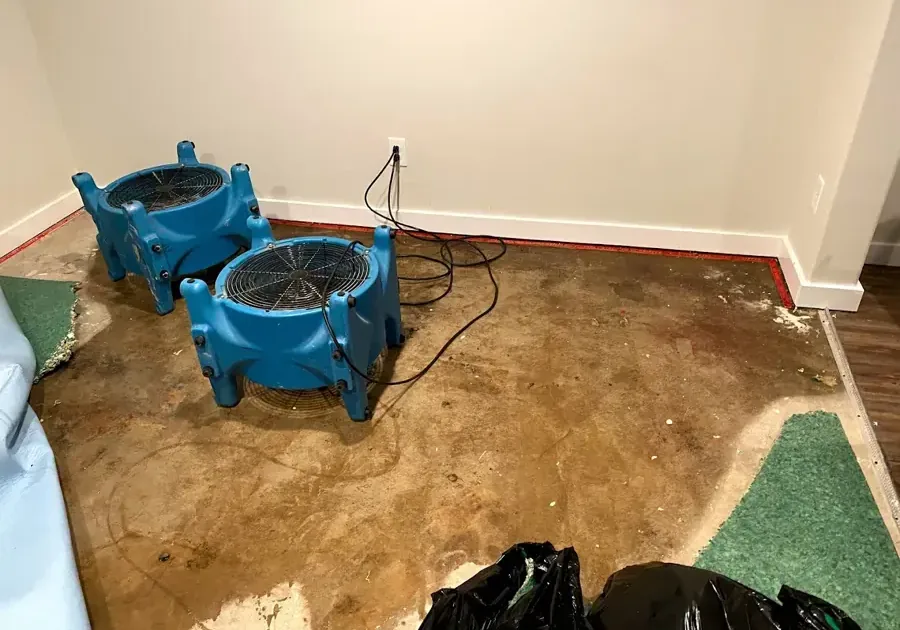
Check padding and substrate after the visible pool is gone. Retained water may require lifting a covering or opening an edge to support effective drying.
- Step 4
Prepare the moisture record
Document readings and recommend the next drying tasks. Identify repair needs separately so the owner understands what extraction has accomplished and what work remains.
Water against a baseboard may have traveled beneath the flooring before the pool becomes visible. An extraction assessment follows that route, including thresholds and closet edges, to decide where suction will help and where materials need separate access. The visible puddle is the starting point for a room survey.
Remove the pool before judging the floor
Rain flooded the baseball field and recreation area at San Fernando Recreation Park on March 28, 2022. For an indoor loss, the immediate questions concern the entry path, what the water touched and whether more water continues to arrive while removal is underway.
A shallow film across tile calls for different equipment handling than saturated carpet over padding. Furniture legs, cabinet bases and transitions deserve attention because they can interrupt the water path and hide damp edges. Record the wet boundary before moving belongings through the room.
Set up access without spreading the damage
For properties around Las Palmas Park or Layne Park, describe the available entrance and any steps between the vehicle access and wet room. Hoses should follow a controlled route that protects dry spaces and leaves occupants a usable passage outside the work area.
- Separate clean contents from items already resting in standing liquid.
- Inspect door thresholds for water passing into the next room.
- Check whether padding remains heavy after the surface is extracted.
- Record areas inaccessible beneath fixed cabinets or large household equipment.
Finish extraction with a drying decision
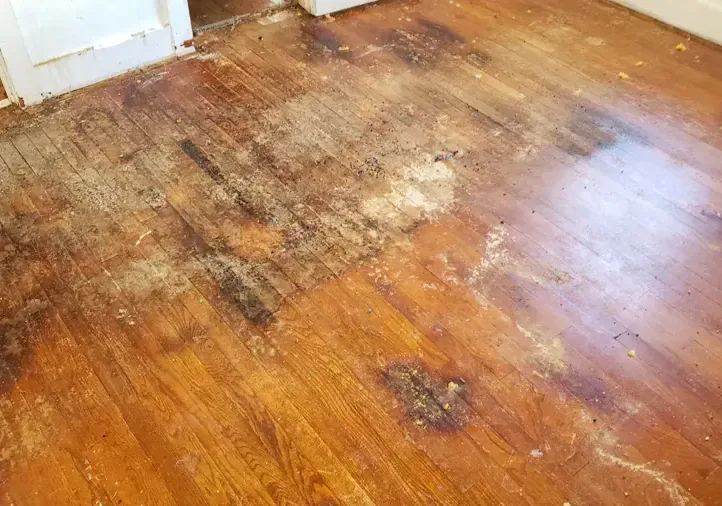
After bulk liquid is removed, moisture readings establish what remains inside the building materials. Structural drying addresses that retained water. If boards have changed shape, wood floor assessment helps determine the next step before finishing work begins.
The handoff should identify affected layers, necessary openings and any source repair still pending. A floor can look cleaner immediately after extraction while its substrate remains damp. Documenting that difference keeps the repair plan tied to the condition of the whole assembly.
Water extraction around San Fernando
Extraction assessments cover city properties near Pioneer Park and along First Street. Share a usable entrance and the location of the wet rooms so equipment access can be arranged without routing occupants through standing liquid.
The same service nearby: water extraction in Tarzana, West Hollywood, Beverly Hills.
Water damage restoration in San Fernando · every town covered
Related water damage services in San Fernando
Water Extraction questions in San Fernando, CA
Will suction remove all moisture from carpet?
Suction recovers water that the equipment can reach. Padding and the floor beneath may remain wet, so those layers need inspection before a decision about retention, additional access or drying equipment is made.
Can extraction begin while a pipe still leaks?
Source control should be arranged promptly. Otherwise fresh water can replace what is being removed. Tell the coordinator whether a valve has been closed and whether the visible flow has actually stopped.
Does shallow water need professional assessment?
A thin layer can still enter seams and wall edges. The depth visible on the surface is only part of the assessment; affected materials and the route into adjacent spaces also matter.
Should rugs be carried outside immediately?
Moving a soaked rug can spread water or contamination and may strain the backing. Keep a safe path clear and discuss handling before dragging heavy wet coverings through unaffected parts of the home.
What if water returns after removal?
A returning pool may indicate continued entry or water draining from a concealed space. Record where it appears and stop using a suspect fixture until the source can be assessed safely.
When does the drying phase start?
Drying follows removal of recoverable liquid and the necessary cleaning or material access. Moisture readings establish which assemblies remain wet and help determine how equipment should be arranged for the next phase.
Remove the puddle and inspect beneath it
An assessment can connect water recovery with the condition of padding, substrate and wall edges, giving the property a practical route toward drying and repair.
(888) 578-6508Plan recovery from wet roomsTarzana Water Damage Restoration
Tarzana, CA and Los Angeles County
(888) 578-6508 · open 24/7
Water and sewage losses only
Find us on Google