AC Condensate Water Damage in Calabasas
A cooling system can keep running while condensate wets the space beneath it. Calabasas AC water damage cleanup traces the escaped water from the equipment area and coordinates drainage repair with drying of the affected ceiling or wall assembly.
(888) 578-6508Assess water beneath the cooling equipment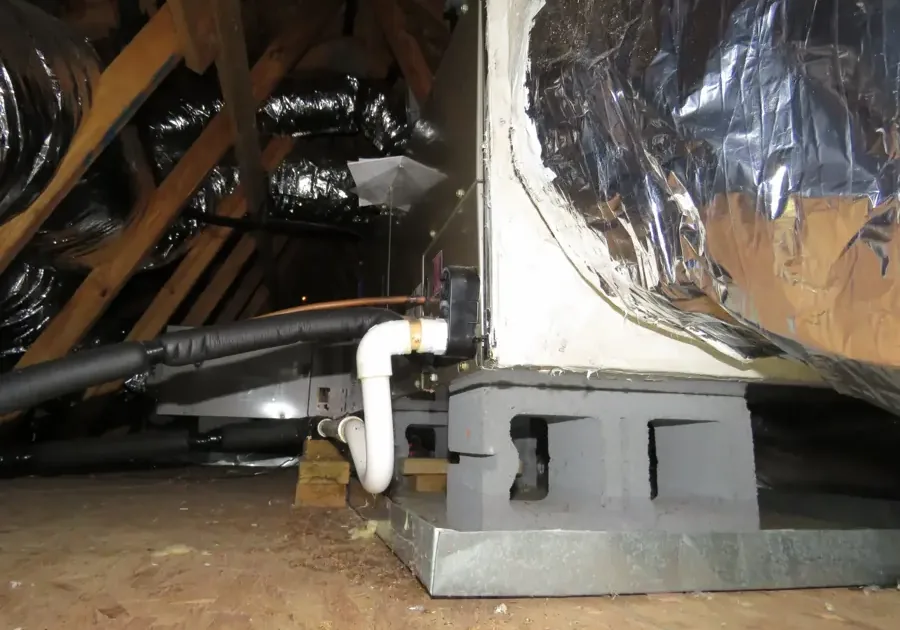
First steps for AC condensate water damage
- Report cooling and moisture timing. Describe when the stain changes during system operation and identify the room below the equipment, helping the assessment focus on the likely condensate route.
- Arrange equipment service safely. The cooling professional should assess drainage, controls and safe operation. Occupants should avoid touching wet electrical components or entering an attic without suitable access and secure footing for inspection.
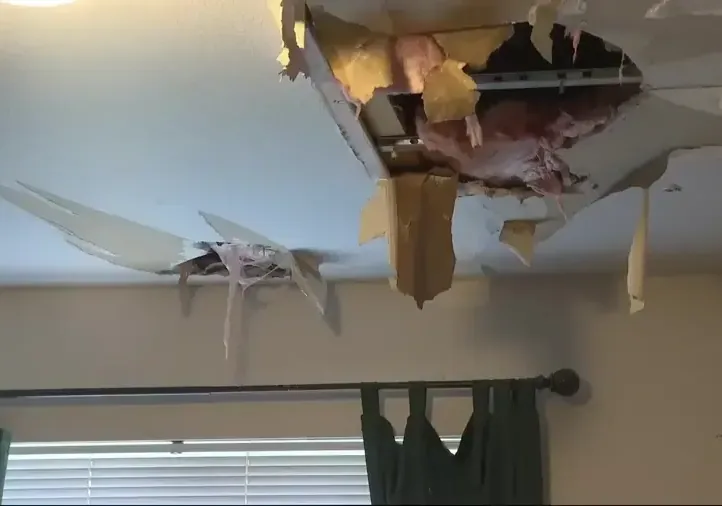
- Keep clear of softened overhead material. A condensate leak can weaken ceiling drywall over time. The area below a bulge, loose finish or wet fixture should remain outside normal household activity until assessed for safe access.
- Preserve access for the building assessment. Service access to the equipment may also reveal wet insulation or framing. Coordinating that opening helps restoration address surrounding materials before repaired components or replacement finishes block the moisture path.
What does AC condensate water damage cost in Calabasas, CA?
AC condensate damage cleanup in Calabasas depends on equipment access and the path water took into the building. The ranges reflect affected materials. Cooling system service, drainage repair and finish replacement should be separated from moisture assessment, removal and drying in the written proposal.
For a closer planning number, run the water damage cost calculator. The restoration contractor who responds prices the job after the walkthrough and the moisture map.
How AC condensate water damage proceeds
- Step 1
Connect equipment findings with moisture
The assessment compares condensate service findings with stains and material readings, tracing escaped water into the ceiling, wall or floor beneath the equipment.
- Step 2
Expose the retained water path
Selective access addresses wet insulation or damaged finishes, allowing surrounding components to be assessed while maintaining safe working room around the cooling equipment.
- Step 3
Dry the accessible affected components
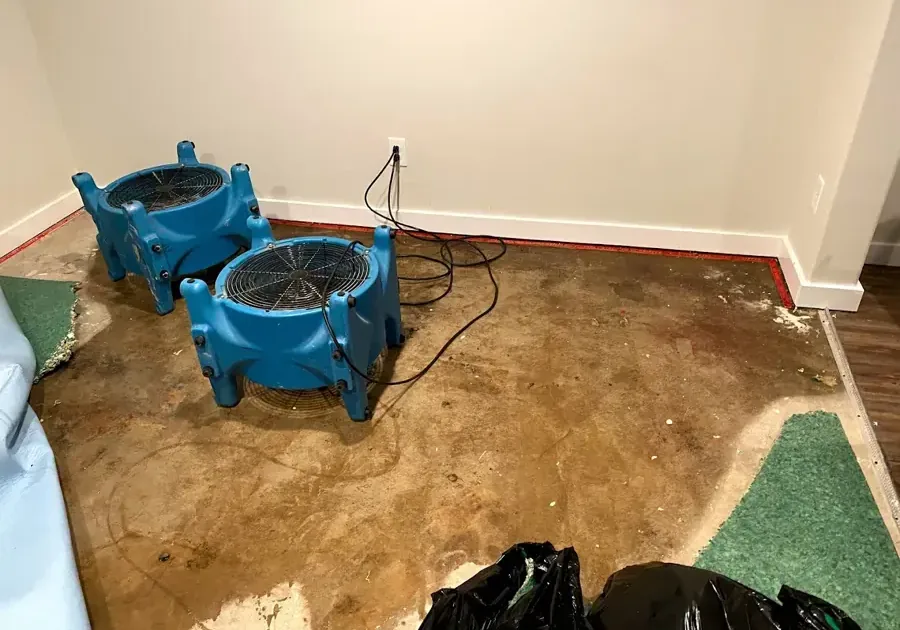
Equipment supports evaporation from exposed surfaces, with measurements following the wet path and adjustments made where framing or a connected cavity responds differently from the visible room finish.
- Step 4
Coordinate cooling service and finish restoration
The handoff identifies source repair status, moisture findings and remaining material replacement, helping the owner plan insulation, ceiling or wall work after the equipment and building damage have both received attention.
A damp patch beneath cooling equipment can develop quietly while the occupied room still feels comfortable. Escaped condensate may travel from a pan or drain connection into insulation and along framing. The restoration assessment follows that route through the building materials while the equipment professional checks why the drainage failed.
Connect the stain with system operation
Hot, dry summers provide the seasonal setting in Calabasas. For homes in Vista Point and The Oaks, which connect to Parkway Calabasas, the useful first observation is whether moisture appears during cooling operation and which surfaces lie below or beside the equipment location.
A timing pattern helps direct the inspection, but the source must be examined. A wet ceiling can have more than one possible origin. The equipment area and the connected building assembly should both be assessed so a repaired drain does not leave a damp cavity outside the service opening.
Look beneath the pan and beyond the stain
Water escaping a condensate path can soak insulation or enter a wall before it becomes visible. The condition of those materials determines whether selective opening or removal is needed. Access should expose the retained moisture while preserving safe working room around the cooling equipment and its connections.
- Note whether the wet mark changes while the cooling system operates.
- Inspect the material beneath the equipment pan and nearby drain connections.
- Follow moisture into wall tops or ceiling insulation beyond the visible stain.
- Coordinate equipment service with the access needed for surrounding material drying.
Dry the building after correcting the drainage
Ceiling leak damage cleanup addresses weakened overhead finishes when condensate reaches an occupied room. The remaining framing and connected surfaces can then receive structural drying with readings that follow the actual moisture path.
The final handoff should identify the equipment repair status and the drying condition separately. Restored cooling operation is one part of recovery; replacing insulation, closing access openings and repairing stained finishes follow the building assessment. This sequence keeps the concealed damage visible in the scope until it has been addressed.
AC condensate water damage around Calabasas
Calabasas condensate damage assessment covers properties in 91301 and 91302. Access details should identify the cooling equipment location, affected room below and available service opening so both the source problem and concealed wet materials can be inspected.
The same service nearby: ac condensate water damage in Tarzana, Beverly Hills, San Fernando.
Related water damage services in Calabasas
AC Condensate Water Damage questions in Calabasas, CA
Can condensate damage appear without a large puddle?
A small continuing escape can enter insulation or a cavity before enough water reaches the room to form a pool. Inspection should follow the equipment drainage path and surrounding materials when a persistent damp mark appears below it.
Should the cooling equipment keep operating during a leak?
The equipment professional should assess safe operation and the drainage problem. Continued use may add water if the fault remains active, so the source status needs to be coordinated with the restoration work on surrounding building materials.
Does clearing a condensate drain dry the ceiling?
Drain service addresses the source problem, while water already absorbed into insulation, framing and drywall needs separate attention. Moisture assessment establishes whether opening, removal or drying is needed beyond the equipment's service area before the ceiling is repaired.
Why inspect the wall beside the equipment space?
Escaped water can follow framing into a connected partition rather than falling directly beneath the unit. Checking wall tops and adjoining surfaces helps define the affected assembly and avoids limiting the scope to the most visible ceiling mark.
Can wet insulation remain around the unit?
Its condition and the drying access determine the handling decision. Insulation that retains water or blocks access to damp framing may need removal, with replacement coordinated after the surrounding structure has been assessed and the drainage fault addressed.
What belongs in the final repair record?
The equipment service findings, affected material locations and drying measurements should be kept together. The record can then identify remaining insulation or finish work, showing how source correction and interior restoration connect before the room returns to normal use.
Restore the material beneath the cooling system
A connected assessment follows escaped condensate beyond the equipment, helping the owner plan source correction, insulation handling, drying and the remaining ceiling or wall repairs in a useful sequence.
(888) 578-6508Arrange cooling leak damage assessmentTarzana Water Damage Restoration
Tarzana, CA and Los Angeles County
(888) 578-6508 · open 24/7
Water and sewage losses only
Find us on Google