Structural Drying in Calabasas
An empty floor can still belong to a wet building assembly. Structural drying in Calabasas follows moisture inside walls, framing and substrates, using access and equipment adjustments to reach the materials that remain damp after water removal.
(888) 578-6508Discuss retained moisture in the structure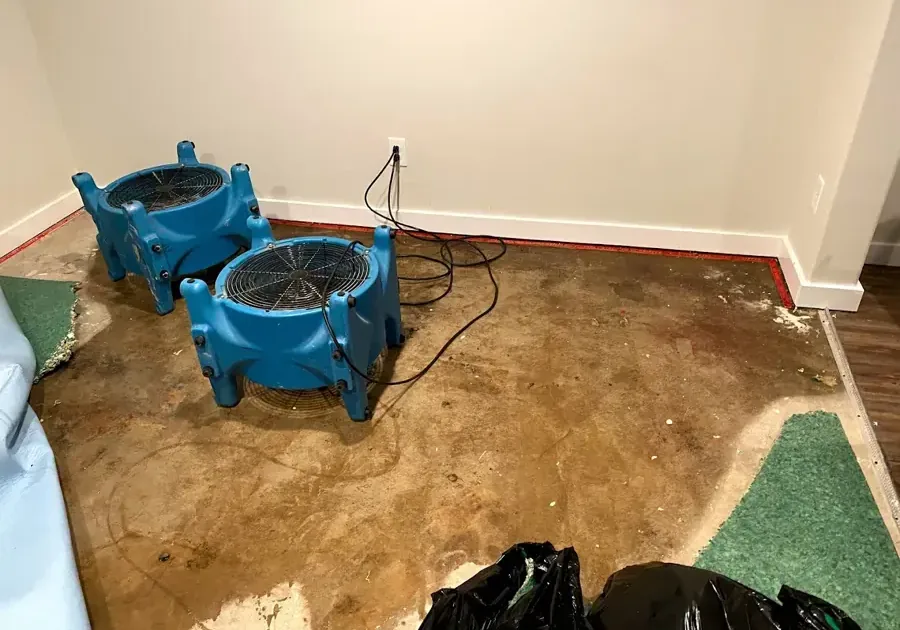
First steps for structural drying
- Confirm incoming water is controlled. The drying assessment needs source repair status and remaining entry concerns. Continued leakage can undermine equipment progress and change the boundaries of the wet material area.
- Keep measured surfaces available for access. Furniture and stored contents should leave the inspection points reachable when safely movable, allowing readings and equipment adjustments without repeatedly disturbing clean areas of the occupied property.
- Maintain the planned room conditions. Doors, windows and equipment settings influence the drying environment. Occupants should follow the agreed arrangement and report interruptions rather than moving machines or changing airflow paths without coordination.
- Coordinate finish work around the readings. Replacement surfaces should be scheduled from the material assessment, allowing the drying record to inform wall closing, flooring preparation and other work that would conceal previously wet components.
What does structural drying cost in Calabasas, CA?
Structural drying in Calabasas depends on the materials holding water, access to concealed layers and the equipment arrangement required. The ranges describe differing drying scopes. The written plan should identify monitoring and material opening separately from source repair and replacement of damaged finishes afterward.
For a closer planning number, run the water damage cost calculator. The restoration contractor who responds prices the job after the walkthrough and the moisture map.
How structural drying proceeds
- Step 1
Build a material moisture record
Initial readings identify affected components and reference areas, establishing repeatable measurement locations and access needed to assess moisture within the assembly before equipment selection.
- Step 2
Arrange evaporation and moisture removal
Equipment matches exposed surfaces and room conditions, combining effective airflow with moisture removal while preserving safe movement and access for monitoring around wet materials.
- Step 3
Compare the material response
Repeated measurements reveal progress at established locations. Blocked airflow or concealed saturation can require equipment adjustments and selective opening for access.
- Step 4
Document the transition to repairs
The handoff records moisture findings and remaining material damage so the owner and repair trades can coordinate finish replacement with the completed drying work and any outstanding access requirements.
A room can look orderly after extraction while its wall base or substrate remains damp. Structural drying starts with the materials holding that water and the barriers around them. The work plan should identify what needs access, what can remain and how measurements will show the response during drying.
Use the room conditions instead of the season
Calabasas has hot, dry summers, but concealed materials need their own moisture assessment. In Mulwood and Mulholland Heights, reached from Valley Circle Boulevard and Mulholland Highway, a wet partition or covered floor should be evaluated from its construction and readings inside the affected assembly.
Air movement supports evaporation from accessible surfaces, while moisture removal equipment manages the resulting water vapor. A covering that blocks access can limit progress even in a warm room. The assessment therefore considers both the air environment and the actual path out of each wet material.
Open only what the drying problem requires
Wet insulation, layered flooring and enclosed cabinet bases can create separate moisture pockets. Selective access should follow the measured pattern and condition of those components. Damaged or unsuitable material may need removal, leaving sound structure accessible for the chosen drying arrangement.
- Identify comparable dry material before interpreting the affected area readings.
- Record measurement locations so later checks examine the same material points.
- Keep equipment air paths open around exposed wet surfaces and corners.
- Adjust the arrangement when concealed moisture is not responding as expected.
Make the repair handoff measurable
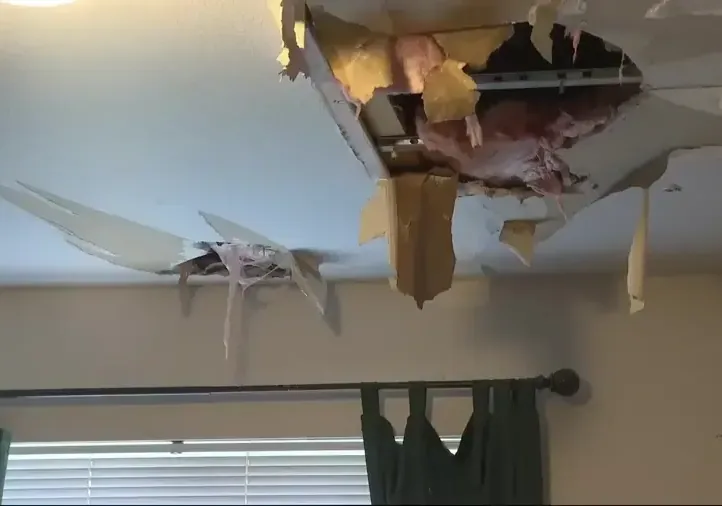
Water extraction deals with accessible liquid before the structural stage. A ceiling leak may require overhead access and insulation decisions before the remaining framing can respond to the drying environment.
The completion record should show material condition, readings and remaining repair needs. Equipment removal is a decision based on that record and the assembly response. Wall closing, flooring installation and decorative work can then be coordinated with a clear understanding of the moisture work already completed.
Structural drying around Calabasas
Structural drying serves Calabasas buildings in ZIP areas 91301 and 91302. The initial assessment should identify wet materials, available openings and occupied spaces so the equipment arrangement can preserve access while addressing moisture throughout the affected assembly.
The same service nearby: structural drying in Tarzana, Beverly Hills, San Fernando.
Related water damage services in Calabasas
Structural Drying questions in Calabasas, CA
Why is a dry looking wall still measured?
The exposed paint surface can differ from the material behind it. Measurements and suitable access help assess the wall assembly, identifying moisture that may remain in framing, insulation or the lower edge after surface water disappears.
Can open windows replace drying equipment?
Outdoor conditions and the wet assembly determine whether ventilation helps. The drying plan should manage the indoor environment deliberately, with equipment and access selected from material readings rather than relying on an open window to resolve concealed saturation.
What happens if progress slows in one area?
The assessment should check airflow, room conditions and access to the damp component. A blocked surface or concealed layer may require a revised setup or selective opening, with the change documented alongside subsequent readings from that location.
Should occupants move equipment to quieter rooms?
Moving equipment can interrupt the planned air path and moisture removal. Any concern about room use or noise should be discussed so an adjustment can preserve effective drying and safe access while addressing the occupied household's practical needs.
Are all materials expected to dry together?
Different components absorb and release moisture differently. The monitoring plan should follow each affected material and its access conditions, allowing the equipment arrangement or opening decision to change when part of the assembly responds more slowly than another.
What supports the decision to close a wall?
The source condition, material readings and remaining damage should be assessed before closing work. A clear drying record helps the repair trade understand the exposed assembly and coordinate replacement finishes without hiding a component that still needs moisture attention.
Prepare the assembly for its next finish
Measured progress connects equipment use with material condition, helping the owner coordinate repairs and understand the drying approach before a wet wall, floor or ceiling is closed.
(888) 578-6508Arrange a material drying assessmentTarzana Water Damage Restoration
Tarzana, CA and Los Angeles County
(888) 578-6508 · open 24/7
Water and sewage losses only
Find us on Google