Water Extraction in Calabasas
A pool crossing the room needs more than towels. Water extraction in Calabasas removes accessible liquid, checks the edges it reached and identifies the flooring layers that still hold moisture after pumping.
(888) 578-6508Arrange removal of pooled water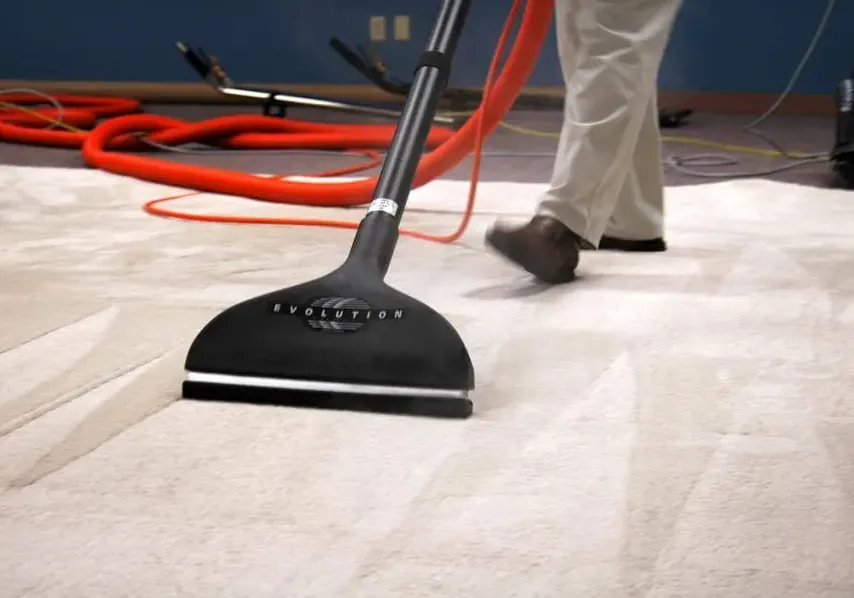
First steps for water extraction
- Keep the wet area unoccupied. Occupants should avoid walking through pooled water until electrical conditions and contamination are assessed, especially when the water reaches appliance cords or wall outlets.
- Describe depth and room connections. The first report should mention visible pooling, affected floor coverings and open doorways into other rooms, giving the extraction assessment a useful starting picture.
- Stop continued entry safely. A reachable supply shutoff may limit a plumbing discharge. Outdoor entry or inaccessible valves require appropriate assistance before anyone attempts to enter the wet area.
- Protect accessible dry possessions. Items outside the water path can be moved to a dry space when safe, leaving the wet flooring accessible for inspection and equipment placement.
What does water extraction cost in Calabasas, CA?
Water extraction in Calabasas varies with the amount of accessible liquid, floor coverings and equipment access. The ranges below describe removal scopes; concealed saturation, contamination and the drying needed afterward can change the written proposal for the affected rooms.
For a closer planning number, run the water damage cost calculator. The restoration contractor who responds prices the job after the walkthrough and the moisture map.
How water extraction proceeds
- Step 1
Map the collection area
The inspection follows the pool into floor transitions and records safe equipment routes, creating a removal sequence that reflects the layout of the affected rooms.
- Step 2
Collect the open water
Pumping or extraction equipment removes accessible liquid while the operator checks collection progress and avoids moving contaminated water into clean portions of the property.
- Step 3
Recheck absorbent layers
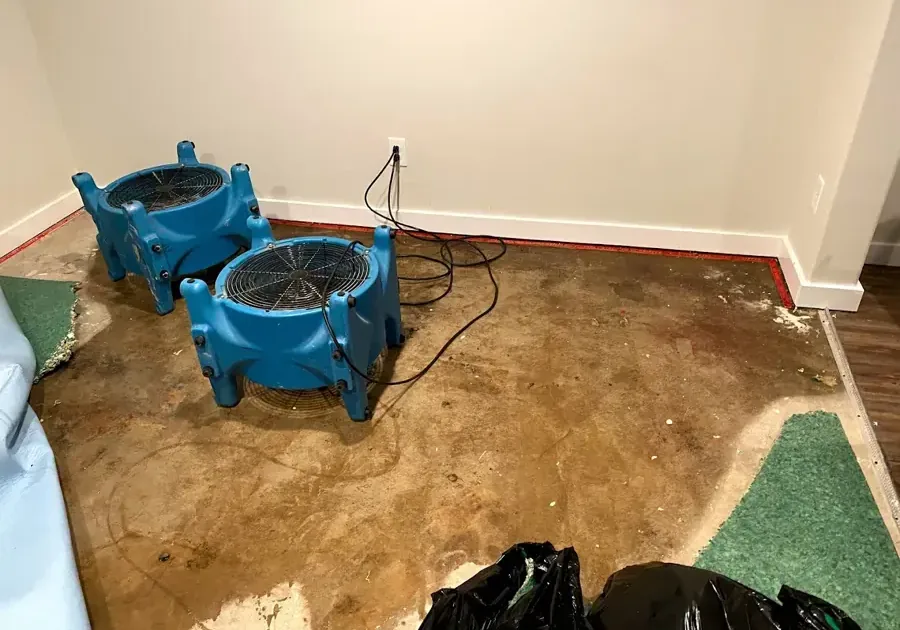
Carpet, pad and perimeter materials are assessed after extraction to locate retained liquid and determine whether further access or material removal is needed.
- Step 4
Set the next drying task
Recorded moisture readings establish the remaining wet assembly so drying equipment can address absorbed water after the immediate standing water problem has been controlled.
Water collects in low places, but its visible boundary is only the beginning of the inspection. A pool near a doorway may feed carpet padding in the next room or slip beneath a cabinet. Extraction should follow those connections before the floor is treated as ready for drying.
Start with the route into the room
The September 13, 2026 water main break closed Las Virgenes Road from Mulholland Highway to Lost Hills Road. An indoor extraction request starts with conditions at the property: where water entered, whether flow continues and which rooms remain safely accessible for equipment.
For a home in Westridge, the useful description is the wet floor area and its adjoining spaces. Furniture, thresholds and narrow passages affect how hoses reach the water. Those practical details help establish the order of removal without carrying wet contents across unaffected flooring.
Different floor layers need different attention
A wand can remove water from a carpet surface while the pad underneath stays saturated. Hard flooring can conceal liquid at its perimeter. Inspection after each extraction pass identifies where coverings need lifting and where water has entered an adjacent wall assembly.
- Check beneath movable rugs before assuming the surrounding floor is dry.
- Inspect transitions where carpet meets hard flooring or a raised threshold.
- Keep extracted water and wet materials away from clean household contents.
- Record residual moisture before selecting equipment for the remaining drying work.
The handoff from removal to drying
Once the open water has been removed, the job shifts to moisture inside materials. Structural drying addresses that stage. Equipment selection should reflect the measured condition of the substrate instead of the disappearance of the puddle alone.
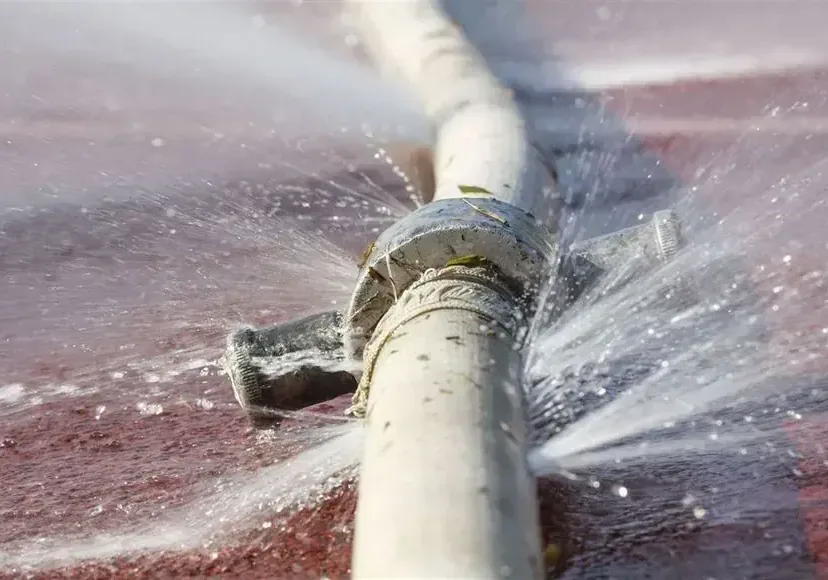
Where a pressurized pipe supplied the water, burst pipe damage cleanup connects extraction with the wet cavity around the break. A repaired source and a clear moisture map keep the next phase focused on the materials that actually absorbed the discharge.
Water extraction around Calabasas
Extraction requests cover Calabasas properties in ZIP areas 91301 and 91302. Details about the entry route, wet room connections and gate access help establish where equipment can operate safely and where moisture needs inspection.
The same service nearby: water extraction in Tarzana, Beverly Hills, San Fernando.
Related water damage services in Calabasas
Water Extraction questions in Calabasas, CA
Is extraction enough for a soaked carpet?
The visible pile may clear while padding and the floor beneath remain wet. Inspection should include those layers before the carpet is considered ready for drying or before a salvage decision is made.
Can towels handle a pool near the wall?
Towels may collect a small surface spill, but a room sized release can enter joints and wall edges. A moisture assessment helps identify what escaped the visible pool and needs mechanical removal or drying.
Why check an apparently dry adjoining room?
Water can travel beneath connected floor coverings without leaving an obvious surface pool. Measurements at the doorway and along the shared wall help establish whether the adjoining room belongs in the extraction and drying scope.
Does the equipment need a clear doorway?
Hoses and extraction tools require a workable route to the affected area. Safe, dry belongings may be relocated to open that route, while wet or contaminated contents need controlled handling during the removal process.
What if water keeps entering during extraction?
An active source changes the removal plan. Source repair or containment needs coordination so collected water is not continually replaced and the structure can move into a stable drying phase after the flow stops.
When can a rug go back down?
The floor and rug should be assessed for remaining moisture and damage first. Covering a damp substrate can restrict evaporation, so replacement should follow the drying findings for both the covering and the surface underneath.
Clear liquid before closing the room
A removal assessment can identify accessible water and the soaked layers beneath it, giving the property owner a clearer starting point for the remaining drying work.
(888) 578-6508Request a pooling assessmentTarzana Water Damage Restoration
Tarzana, CA and Los Angeles County
(888) 578-6508 · open 24/7
Water and sewage losses only
Find us on Google