AC Condensate Water Damage in Culver City
A small condensate overflow can keep feeding the same hidden patch of ceiling. Restoration connects the cooling equipment problem with the platform, insulation and interior finishes that remain wet after the drainage issue is corrected.
(888) 578-6508Discuss condensate reaching the ceiling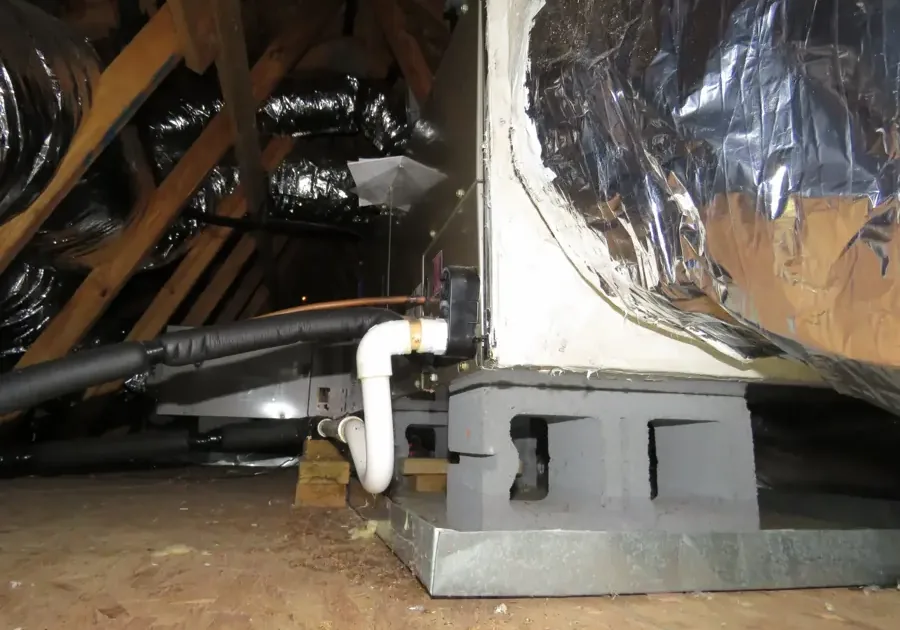
First steps for AC condensate water damage
- Report the operating pattern. Note whether staining or dripping changes while cooling runs. This observation can help the service professional investigate the condensate components and helps restoration understand recurring moisture exposure.
- Avoid wet equipment controls. Keep clear of electrical connections and water around the air handler. Arrange qualified service to establish safe equipment conditions rather than opening a wet cabinet or reaching into its pan.
- Protect the occupied area below. Keep people and belongings outside any sagging ceiling footprint. Equipment leakage can load overhead material with water even when only a small drip appears inside the room.
- Keep source service records. Save the description of the drainage correction with damage photographs. The cleanup assessment can then connect the repaired equipment issue with platform, insulation and ceiling materials still needing attention.
What does AC condensate water damage cost in Culver City, CA?
AC condensate water damage restoration in Culver City has planning ranges from $700 to $4,000. Equipment location, affected insulation and concealed material access shape the cleanup estimate. Cooling system servicing and replacement finishes should be distinguished from water removal and assembly drying.
For a closer planning number, run the water damage cost calculator. The restoration contractor who responds prices the job after the walkthrough and the moisture map.
How AC condensate water damage proceeds
- Step 1
Connect service and symptoms
Operation details, drainage repairs and interior symptoms establish whether water is still escaping or remains inside the assembly after the source correction.
- Step 2
Inspect support and contact layers
Platform surfaces, nearby insulation and affected finishes are checked where safe access is available. The scope follows the condensate path beyond the collection pan into the surrounding building assembly.
- Step 3
Create targeted drying access
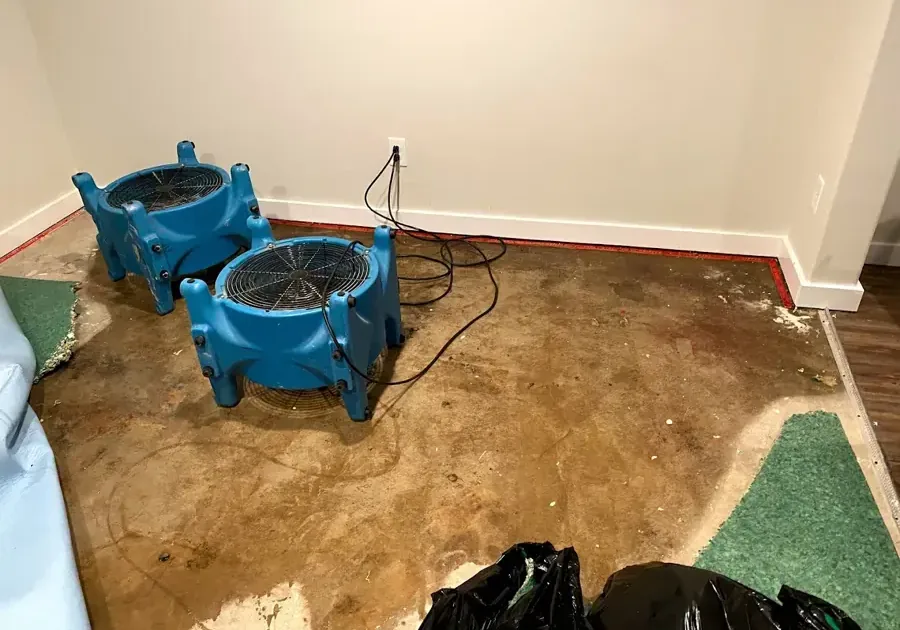
Damaged or obstructive material is identified for selective removal. Remaining suitable surfaces receive equipment and airflow arranged around the confined installation and the occupied space beneath or beside it.
- Step 4
Verify the material handoff
Followup readings document remaining moisture and the condition of exposed surfaces. Completion notes identify platform repairs, finish replacement and any equipment service dependency before the assembly is closed again.
A ceiling mark that grows while cooling equipment operates deserves a source check above the finish. In Culver City, condensate cleanup follows the water beyond the collection pan and drainage components. The supporting surface or insulation can stay damp after an equipment adjustment makes the visible dripping stop.
Connect the stain with equipment operation
For a property in Sunkist Park, note whether the stain changes during cooling use. In McManus, recurring dampness around an equipment closet can provide a different visible clue. A cooling professional evaluates the system while restoration measures the affected building materials around its installation.
The assessment should include the support platform and any route toward the occupied space below. A narrow water path can repeatedly wet the same material without leaving a large puddle. That continued exposure matters when judging softened finishes and access to concealed layers.
Make the service visit part of the drying plan
At a home in Blair Hills, correcting drainage does not remove moisture already inside a wall or ceiling. Source service notes help show what changed and whether additional discharge is expected. The material scope then focuses on remaining water, damaged finishes and the surfaces hidden beneath equipment.
- Record how interior staining relates to operation of the cooling system.
- Inspect the equipment support where condensate escaped its collection area.
- Check insulation contacting a wet platform or adjacent ceiling material.
- Keep service access available until source and moisture checks are complete.
Restore the room after the hidden area
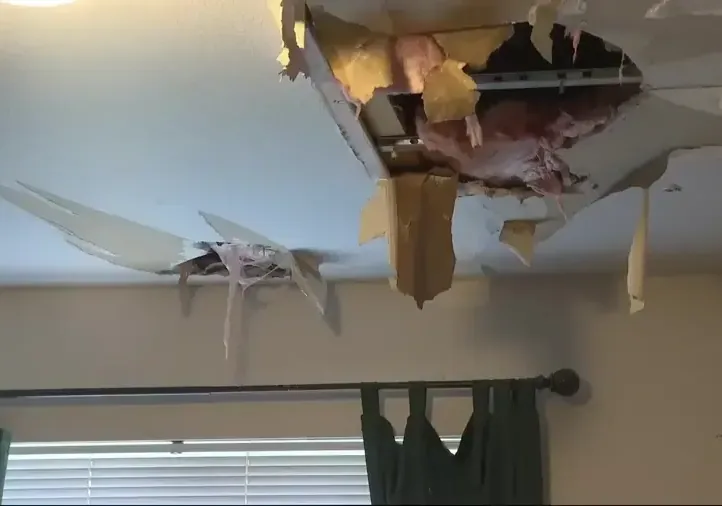
Ceiling leak cleanup addresses unstable finishes below an affected installation. Openings should provide purposeful access to the wet assembly while protecting the room beneath it.
Structural drying then tracks suitable remaining materials. The handoff should connect cooling service, measured progress and any platform or finish repairs so the equipment area and the room below are restored in a practical order.
AC condensate water damage around Culver City
Condensate damage assessments include Sunkist Park, McManus and Blair Hills properties. Describe the equipment location, safe access and affected room below so the inspection can coordinate cooling service with the wet platform, ceiling or wall materials.
The same service nearby: ac condensate water damage in Tarzana, Beverly Hills, West Hollywood.
Water damage restoration in Culver City · every town covered
Related water damage services in Culver City
AC Condensate Water Damage questions in Culver City, CA
Can a minor condensate leak damage a ceiling?
Repeated wetting can affect the same hidden surface even when the discharge looks small. The assessment follows moisture into insulation, framing and finishes rather than estimating the material damage from the visible drip alone.
Who corrects the cooling system drainage problem?
An appropriate cooling service professional investigates the collection and drainage components. Restoration addresses the building materials reached by the escaping water, with the source service status recorded so drying can proceed under stable conditions.
Does clearing the drain dry the platform?
Clearing the source problem stops additional overflow when the repair is effective. The platform and nearby layers can still retain moisture, so their condition and access need assessment before the area is closed.
Should the equipment cabinet be opened to inspect water?
Wet electrical components make improvised inspection unsafe. Qualified service should establish safe equipment conditions before access, allowing the restoration assessment to concentrate on the surrounding platform, insulation and damaged interior finishes.
Why is the ceiling checked beyond the stain?
Condensate can travel along supporting surfaces before it becomes visible below. Checking connected ceiling and wall areas helps define the wet assembly so the cleanup scope does not stop at a small painted mark.
When can ceiling patching follow equipment service?
Patching should follow source correction, removal of unsuitable material and suitable drying checks. The service visit and restoration work need a clear handoff so a repaired ceiling does not conceal residual wet insulation or framing.
Finish the cleanup after equipment service
Arrange a scope for the materials beneath and beside the cooling unit. Source correction and documented drying should meet before ceiling finishes or equipment access panels close the affected space.
(888) 578-6508Discuss cooling area material dryingTarzana Water Damage Restoration
Tarzana, CA and Los Angeles County
(888) 578-6508 · open 24/7
Water and sewage losses only
Find us on Google