Structural Drying in Culver City
A room can look ready for repairs while its framing and subfloor still hold water. Structural drying uses material readings, controlled conditions and suitable access to move the remaining assembly toward a documented repair endpoint.
(888) 578-6508Discuss remaining assembly moisture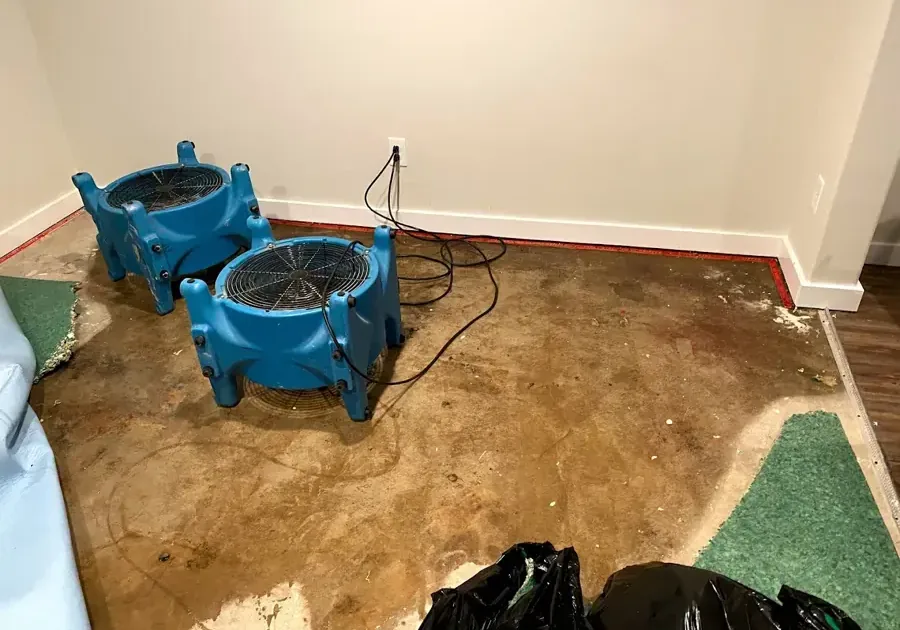
First steps for structural drying
- Confirm the source status. Report whether the leak or entry has been corrected and whether water has returned. Drying progress cannot be interpreted clearly while a hidden source continues adding moisture.
- Preserve access to wet materials. Keep furnishings and stored items away from exposed wall or floor sections. Those openings may be needed for airflow, inspection and repeat readings throughout the drying period.
- Describe room use constraints. Mention occupied spaces, equipment access limits and any essential pathways. The setup needs to account for people using the building while protecting the affected assembly and measurement locations.
- Request an understandable endpoint. Ask for a record that connects readings with specific materials and locations. The repair handoff should explain what was dried and which remaining conditions still require attention.
What does structural drying cost in Culver City, CA?
Structural drying in Culver City has planning ranges from $1,000 to $6,000. Material density, concealed moisture, access and equipment needs shape the estimate. The written scope should identify monitoring and removal requirements while separating reconstruction or source repairs from the drying work.
For a closer planning number, run the water damage cost calculator. The restoration contractor who responds prices the job after the walkthrough and the moisture map.
How structural drying proceeds
- Step 1
Build the moisture baseline
Locations, materials and reference conditions form the initial measurement record. Source control and completed cleaning establish the starting conditions for the drying plan.
- Step 2
Match equipment to access
Air movement and dehumidification are arranged around the exposed assembly. The setup considers coverings, cavities and room conditions that can restrict evaporation from wet materials left in place.
- Step 3
Track and adjust response
Repeat readings show which locations are progressing and which need attention. Equipment placement or selective access can change when the material response indicates the original approach needs adjustment.
- Step 4
Document completion conditions
The drying record connects final readings with the inspected assembly. Reconstruction receives notes about remaining openings, removed finishes and any conditions requiring additional repair before the space is enclosed.
Once accessible water is gone, Culver City property owners still need an answer about the material left behind. A drying plan identifies wet framing, wall layers or subflooring and explains how each can release moisture. Equipment placement follows that assessment instead of filling a room with machines and waiting.
Set the baseline for the actual assembly
Golden State Water Company completed Wrightcrest area water main work in Blair Hills during 2023 and 2024. Inside an affected building, drying starts with measurements of its own wet materials. The record should identify locations clearly enough for later visits to return to the same assembly.
A property in McManus may need access behind a wall finish, while one in Clarkdale may require checks beneath a floor covering. Those needs come from the construction and exposure present at the property. Appropriate reference areas help interpret the readings and the direction of progress.
Change the plan when moisture stops moving
Airflow, room humidity and material access work together. A stalled location may need a closer look at a concealed layer or an obstruction to evaporation. Keeping equipment unchanged while ignoring that location leaves an important part of the drying problem unresolved.
- Record readings by material and room position for meaningful comparison.
- Check connected assemblies instead of measuring only the easiest exposed surface.
- Identify coverings that restrict moisture release from a wet supporting layer.
- Connect equipment changes with the material response observed during followup checks.
Hand repairs a condition record
Water extraction often precedes this work by collecting accessible liquid. For affected boards, hardwood floor assessment adds product and substrate considerations to the drying decisions.
The final handoff should explain where material remained, where removal created access and what the measurements showed. A documented endpoint helps reconstruction proceed without covering an assembly simply because its exposed surface feels dry.
Structural drying around Culver City
Material drying assessments include buildings in Blair Hills, McManus and Clarkdale. Explain which finishes have been opened, the source repair status and how occupants use adjoining spaces so equipment placement can support both access and measured drying progress.
The same service nearby: structural drying in Tarzana, Beverly Hills, West Hollywood.
Water damage restoration in Culver City · every town covered
Related water damage services in Culver City
Structural Drying questions in Culver City, CA
Why keep machines running after the floor feels dry?
The surface can lose water before framing, underlayment or other layers reach suitable conditions. Equipment use should follow the measured response of those materials, with the restoration provider explaining which locations still need drying.
Does stronger airflow solve every slow drying location?
Airflow helps only when moisture can reach the exposed surface and room conditions support removal. A concealed wet layer or restrictive finish may need better access instead of simply adding more air movement nearby.
How do repeat readings help the repair contractor?
They show where materials were measured and how conditions changed during drying. That record supports decisions about enclosure and replacement finishes, especially when the final appearance does not reveal the earlier hidden moisture.
Can occupants turn equipment off at night?
Changes should be coordinated with the restoration provider because they affect drying conditions and the interpretation of progress. Occupancy needs can be discussed when planning the setup rather than making unrecorded changes during operation.
Are open walls always required for drying?
Access depends on the assembly, damage and ability to measure remaining materials. Some surfaces can remain, while concealed wet layers or unsuitable finishes may require selective opening to support effective drying and verification.
What happens when a reading stops improving?
The location needs reassessment for continued entry, trapped layers or unsuitable conditions. The plan can then change access or equipment placement, with the reason recorded rather than leaving the same arrangement running without explanation.
Move toward a documented repair endpoint
Arrange a plan that connects each wet assembly with access and progress checks. Clear material records help explain when the building is ready for replacement finishes and enclosure.
(888) 578-6508Discuss the drying measurement planTarzana Water Damage Restoration
Tarzana, CA and Los Angeles County
(888) 578-6508 · open 24/7
Water and sewage losses only
Find us on Google