Water Extraction in Culver City
Footprints spreading out of a wet room show how quickly a pool becomes a larger cleanup. Extraction collects accessible water while the assessment follows its path under flooring and into neighboring spaces.
(888) 578-6508Discuss pumping and floor recovery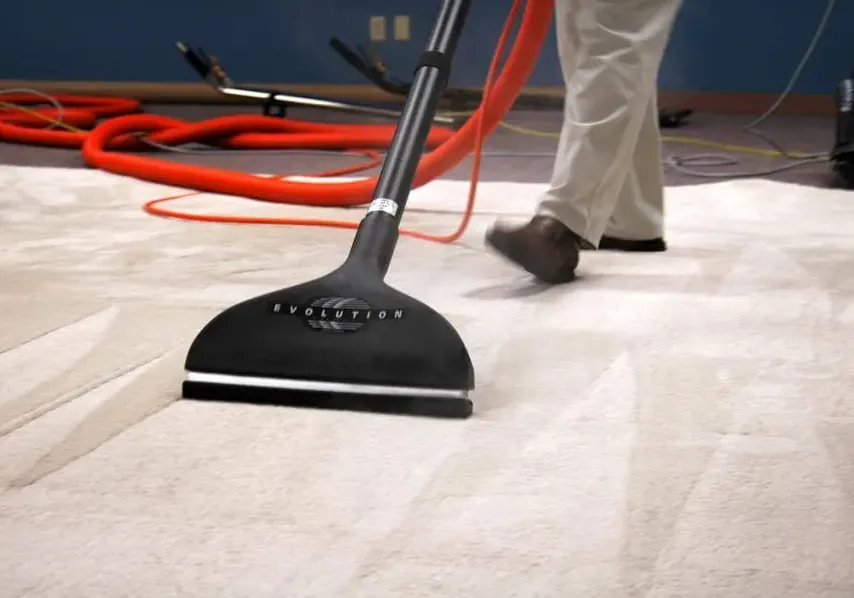
First steps for water extraction
- Protect the access route. Stay on dry flooring and identify outlets, cords or equipment near the pool. Keep the doorway clear so assessment can begin without crossing an electrical hazard.
- Describe the incoming water. Report whether water is still entering, how it started and whether outdoor runoff or a drain is involved. Those details affect handling and protective measures.
- Keep dry possessions separate. Place untouched belongings outside the affected boundary when that can be done safely. Avoid moving soaked fabric across clean carpet or storing wet boxes against walls.
- Record the spreading edge. Photograph the farthest visible wet areas as well as the deepest pool. Water marks at cabinets and adjacent doorways help explain the extent of extraction.
What does water extraction cost in Culver City, CA?
Water extraction in Culver City has planning ranges from $700 to $4,500. Depth, floor covering, contamination and equipment access influence the estimate. Drying concealed materials or replacing damaged finishes can require a separate scope after accessible water is removed.
For a closer planning number, run the water damage cost calculator. The restoration contractor who responds prices the job after the walkthrough and the moisture map.
How water extraction proceeds
- Step 1
Establish collection points
The crew identifies low spots, water depth and safe hose placement. Source control and power conditions are checked before the removal equipment is positioned.
- Step 2
Extract by material
Pumps or extraction tools collect water from suitable surfaces. After extraction passes through absorbent flooring, moisture readings identify the layers that still need drying.
- Step 3
Inspect the exposed margins
With pooling reduced, wall bases and floor transitions become easier to inspect. The wet boundary is adjusted when measurements reveal moisture beyond the original estimate.
- Step 4
Set the drying handoff
Remaining moisture is recorded by location and material. The next scope identifies equipment, removal needs and followup checks rather than ending with a cleared floor.
A room in Culver City can hold water at the surface while carpet backing, floor seams and wall bases absorb more. Extraction should follow the entire wet footprint, including shallow sections beyond the deepest pool. Removing the obvious water makes the remaining material assessment easier to perform.
Find where collection stops being enough
A clear walking surface can still conceal a soaked underlayer. At a property in Clarkdale, the important transition might be a doorway between carpet and tile. In Lucerne-Higuera, an affected cabinet base might need separate access. Each decision follows the surfaces present in the room.
Equipment must reach the water without dragging hoses across vulnerable belongings or blocking exits. Contents can sometimes be repositioned within a dry area, while heavily soaked items need a separate handling plan. The removal route should protect the clean part of the building throughout the operation.
Distinguish outdoor water from an indoor leak
The November 2016 public main break at Jefferson Boulevard flooded an intersection. Water reaching a building from outdoors calls for attention to sediment and contact surfaces. An indoor supply discharge needs its own source check before the extraction setup can stay ahead of the flow.
- Record pooling in doorways before the visible water is removed.
- Inspect beneath movable floor coverings when access can be established safely.
- Separate contaminated contents from belongings that have remained clean and dry.
- Map damp wall edges after the open floor has been cleared.
Connect removal with the remaining moisture
Carpet or padding may need lifting or removal when extraction cannot provide adequate access or cleaning. The condition of the materials shapes that choice. Structural drying then addresses moisture retained beyond the reach of suction.
Where board joints have swollen, wood floor assessment considers both the finish and substrate. A useful extraction record identifies what was removed, where residual moisture remains and which areas need another measurement before repair work begins.
Water extraction around Culver City
Extraction assessments cover properties in Clarkdale, Lucerne-Higuera and Sunkist Park. Describe the affected level, entrance conditions and any steps that separate the equipment access point from the water so the removal setup fits the building.
The same service nearby: water extraction in Tarzana, Beverly Hills, West Hollywood.
Water damage restoration in Culver City · every town covered
Related water damage services in Culver City
Water Extraction questions in Culver City, CA
Can wet carpet always stay?
Retention depends on the water source, contact conditions and the condition of the carpet and padding. Extraction alone cannot make every soaked covering suitable to keep, particularly when contamination has entered absorbent layers.
Why inspect rooms without puddles?
Water can move under a threshold before it becomes visible in the next room. Readings at transitions and wall bases help identify that concealed spread so drying addresses the whole affected area.
Does a pump remove moisture from walls?
A pump collects accessible liquid. Moisture absorbed into wallboard or framing requires another method, often involving controlled airflow, dehumidification or selective opening where intact finishes block access to the wet material.
Should furnishings remain in the water?
Safe separation can reduce additional contact, but heavy items should not be dragged across a hazardous floor. The crew can plan handling around electrical conditions, contamination and the stability of affected furniture.
What if water returns after extraction?
Fresh pooling means the source or an unseen reservoir needs attention. Report where it reappears and whether the volume changes. Another extraction pass should accompany investigation of the renewed entry or drainage path.
When can replacement flooring begin?
Installation should follow suitable substrate readings and condition checks. A floor that feels dry underfoot may still hold moisture beneath it, affecting adhesives, underlayment and the performance of a newly installed covering.
Water removed, next steps explained
A cleared floor is the beginning of recovery. Request an assessment that follows accessible water into the remaining wet materials and identifies the work needed before repairs.
(888) 578-6508Plan extraction around the roomTarzana Water Damage Restoration
Tarzana, CA and Los Angeles County
(888) 578-6508 · open 24/7
Water and sewage losses only
Find us on Google