Appliance Leak Water Damage in Culver City
The puddle in front of an appliance may be the last place its water reached. Cleanup looks behind the machine and beneath adjacent finishes to identify the hidden wet area before the kitchen or laundry is restored.
(888) 578-6508Discuss water behind the machine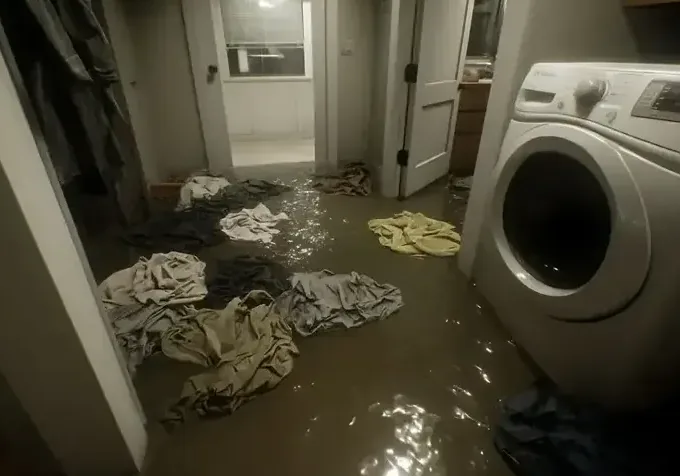
First steps for appliance leak water damage
- Stop use of the appliance. Suspend operation and keep clear of wet electrical connections. A reachable water shutoff may help only when it can be used safely from a dry position.
- Record when water appears. Note whether leakage starts while filling, draining or sitting idle. The timing helps the repair professional investigate the source while restoration assesses where the discharge has traveled.
- Avoid dragging the machine. Movement can damage connections and flooring or expose electrical hazards. Arrange suitable disconnection and handling so the inspection can reach hidden surfaces without creating another leak.
- Keep cabinet edges visible. Remove dry belongings from nearby storage when safe, leaving access to swollen panels or damp toe spaces. Photograph those edges before cleanup or repair changes their appearance.
What does appliance leak water damage cost in Culver City, CA?
Appliance leak water damage cleanup in Culver City has planning ranges from $800 to $4,500. Cabinet access, floor layers and the discharge type affect the estimate. Appliance servicing, plumbing corrections and replacement cabinetry should be distinguished from water removal and building material drying.
For a closer planning number, run the water damage cost calculator. The restoration contractor who responds prices the job after the walkthrough and the moisture map.
How appliance leak water damage proceeds
- Step 1
Identify the discharge behavior
The assessment records when leakage occurs and which function is involved. Source repair coordination establishes whether water can reenter the area during the drying period.
- Step 2
Access the installed recess
Suitable equipment handling exposes the floor and wall behind the machine. Cabinet edges and adjacent surfaces are measured to define the hidden wet footprint.
- Step 3
Resolve damaged finish layers
Swollen panels, unsuitable coverings and trapped moisture are addressed through selective removal where needed. The remaining materials receive airflow and humidity control matched to available access.
- Step 4
Check before equipment returns
Measurements and condition notes establish the state of the recess and surrounding finishes. The repair handoff preserves access until drying and necessary material work are complete.
A leaking dishwasher can wet the recess beside a cabinet while the kitchen still looks usable. A washer can discharge toward a wall before water crosses the open floor. In Culver City, the assessment should connect the appliance function with the concealed surfaces around its installation.
Use the operating cycle as a clue
At a home in Carlson Park, a leak noticed during washing needs a record of that timing. A property in Clarkdale may show recurring dampness even when an appliance is idle. The repair professional can investigate the connection or component while restoration measures the materials reached by the water.
The source also affects handling. Water from a supply connection differs from used wash water containing residue. Cleanup decisions should reflect the actual discharge and contact surfaces rather than treating every appliance puddle as the same kind of interior loss.
Reach the recess before returning the machine
Cabinet toe spaces, wall bases and floor seams can hold moisture where a cloth cannot reach. At a property in Washington Culver, the scope may need coordinated appliance movement to inspect those hidden edges. The condition of the installed materials determines whether selective removal is needed.
- Inspect flooring beneath the machine after safe disconnection and movement.
- Check cabinet panels where swelling can begin along an unfinished edge.
- Document water reaching adjacent rooms through an open doorway or threshold.
- Keep the repaired appliance accessible until concealed material checks are complete.
Separate machine repair from room recovery
Water extraction addresses accessible pooling, while structural drying follows moisture in the remaining wall and floor materials. Neither task should lose access because the machine returns too early.
A useful completion record identifies the discharge source, removed materials and the condition of the recess. Reinstallation then becomes part of the repair handoff, with the dry surrounding surfaces ready before cabinetry or appliances close them off.
Appliance leak water damage around Culver City
Appliance discharge assessments serve Carlson Park, Clarkdale and Washington Culver properties. Describe the machine location, cabinet access and floor covering so the visit can account for concealed wet surfaces and the handling needed to reach them.
The same service nearby: appliance leak water damage in Tarzana, Beverly Hills, West Hollywood.
Water damage restoration in Culver City · every town covered
Related water damage services in Culver City
Appliance Leak Water Damage questions in Culver City, CA
Does wiping the kitchen floor address the leak?
Wiping removes visible liquid but can leave water beneath the appliance and cabinets. Those concealed contact surfaces need inspection, particularly when moisture returns or nearby panels swell after the open floor appears dry.
Can a machine leak while switched off?
A connected water supply can leak independently of an operating cycle. Report whether dampness appears during use or while idle so the repair professional can investigate the source and restoration can assess the spread.
Will cabinet panels dry without opening the base?
That depends on material condition and access. A toe space can restrict airflow or hide wet substrate, so selective opening may be needed to inspect and dry the affected area beneath installed cabinetry.
Who disconnects the leaking appliance?
Appropriate equipment or plumbing professionals should handle connections when movement is required. Restoration then uses the safe access to inspect the recess, extract water and address the surrounding building materials affected by the discharge.
Does every appliance discharge need identical cleaning?
No. Supply water and used wash water can create different contact conditions. The assessment considers the actual liquid, residue and materials involved before deciding how to clean surfaces or handle absorbent finishes.
When can the appliance slide back into place?
Reinstallation should follow source correction and suitable checks of the floor and wall behind it. Returning the machine too soon can block drying access or conceal damaged materials that still need attention.
Recover the room around the machine
Arrange a scope that keeps hidden floor and cabinet edges accessible through cleanup. Repairing the appliance and restoring its surroundings should connect before the installation is closed again.
(888) 578-6508Discuss cabinet and floor accessTarzana Water Damage Restoration
Tarzana, CA and Los Angeles County
(888) 578-6508 · open 24/7
Water and sewage losses only
Find us on Google