Hardwood Floor Water Damage in Culver City
Raised board edges can remain after the room stops looking wet. A hardwood assessment considers the installed wood, its attachment and the moisture underneath, so decisions about saving or replacing the floor follow more than its surface appearance.
(888) 578-6508Discuss board edges and substrate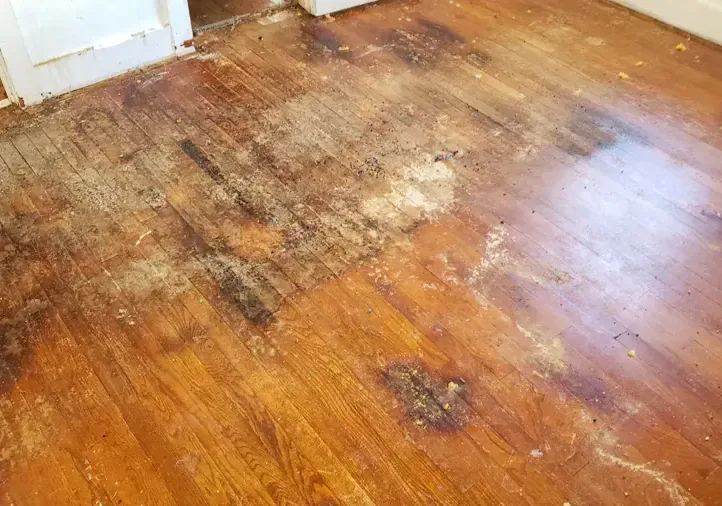
First steps for hardwood floor water damage
- Reduce traffic over lifted edges. Keep occupants away from loose or raised boards. Moving heavy furniture across unstable flooring can worsen damage and create a fall hazard before the assembly is assessed.
- Describe the floor product. Share any available installation records or product details. Knowing the covering and attachment method helps the assessment choose appropriate moisture checks and identify access to underlying materials.
- Record changes in shape. Photograph cupping, gaps or darkened joints with the room location visible. These observations provide a useful starting point for comparing condition as the drying work progresses.
- Leave refinishing decisions open. Avoid sanding, coating or covering the affected wood with rugs. The material needs assessment and stabilization before cosmetic work can be selected for the final repair.
What does hardwood floor water damage cost in Culver City, CA?
Hardwood floor water damage work in Culver City has planning ranges from $1,000 to $5,000. Product type, substrate moisture and access influence the scope. Drying and selective removal should be distinguished from replacement flooring, sanding and final finish application.
For a closer planning number, run the water damage cost calculator. The restoration contractor who responds prices the job after the walkthrough and the moisture map.
How hardwood floor water damage proceeds
- Step 1
Identify wood and construction
Product details, attachment and board movement shape the inspection. The water exposure and installed construction inform decisions about retention and suitable drying access.
- Step 2
Measure connected layers
Readings address affected boards and accessible supporting materials. Appropriate reference locations help interpret progress while transitions and wall edges are checked for moisture beyond the visible damage.
- Step 3
Establish suitable drying access
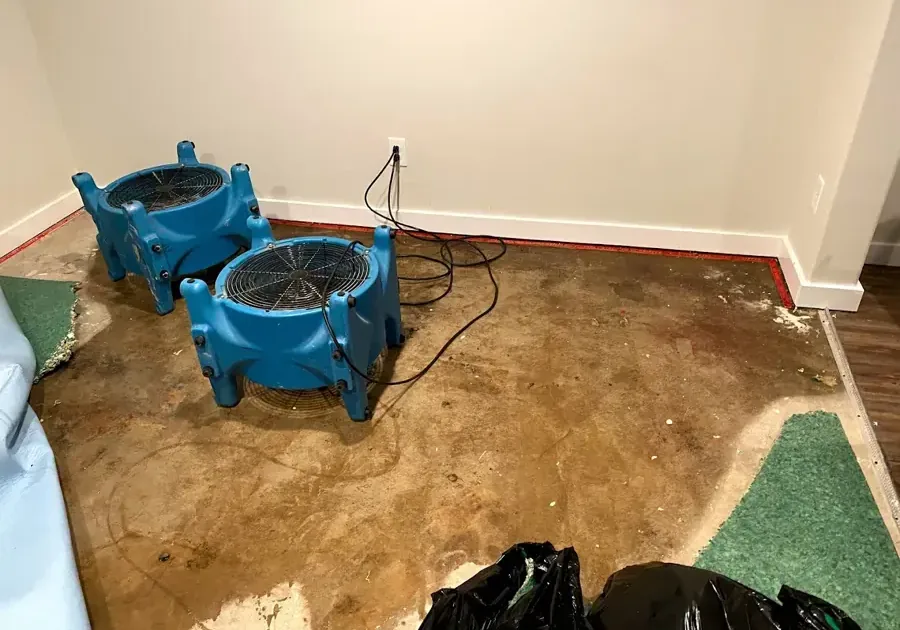
The plan considers retained flooring, selective openings and the condition of the substrate. Equipment placement supports moisture removal without treating surface airflow as a complete assessment of hidden layers.
- Step 4
Prepare the flooring handoff
Material readings and remaining shape changes are documented before refinishing or replacement is selected. The repair scope identifies areas still requiring substrate work or removal of damaged wood.
A wet wood floor can change shape as moisture moves through the boards and the supporting assembly. In Culver City, assessment begins with the actual installed material and the water source. Solid wood, layered products and their attachment methods can require different access and repair decisions after the same visible spill.
Read board movement together with substrate moisture
At a property in Park East, raised edges may be the first visible clue. In Blanco-Culver Crest, a dark patch near a wall may bring attention to the loss. Those observations help locate the inspection, but readings and material condition determine how far the affected assembly extends.
A surface may begin drying while the layer beneath it remains wet. Moisture trapped at underlayment, adhesive or the subfloor can continue affecting the installed boards. The inspection should consider accessible edges and adjacent rooms where a continuous covering may conceal the spreading water.
Assess which boards can remain in place
Some floors can be assessed for drying in place when their condition, water exposure and construction allow it. Others need selective removal to reach hidden layers or address damaged material. A Studio Village property deserves that decision based on its floor, with photographs and readings explaining the proposed scope.
- Identify the installed product before choosing a drying or repair method.
- Record lifted edges and loose sections that affect safe room access.
- Check beneath the covering where suitable access can be established safely.
- Compare affected locations with appropriate reference areas of similar material.
Delay cosmetic decisions until the assembly is ready
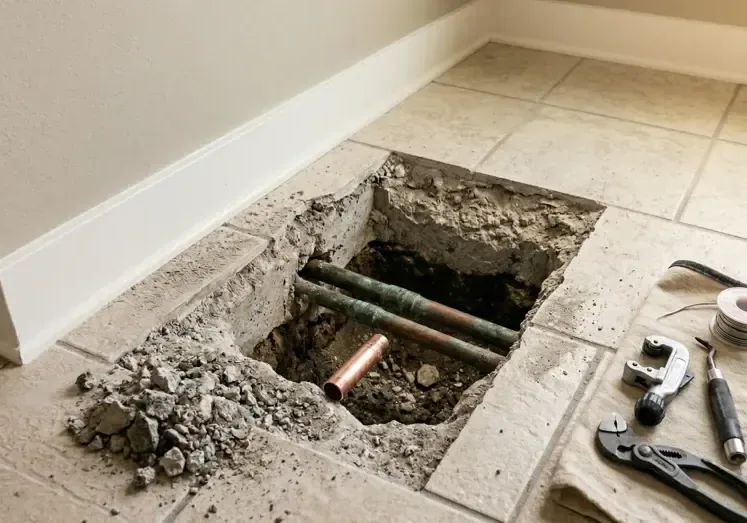
Structural drying helps address moisture in accessible remaining layers. Where a concealed supply leak caused the problem, slab leak cleanup connects source repair with the substrate assessment.
Sanding or coating too early can address an unstable shape instead of a finished drying condition. A useful handoff explains the remaining board movement, the substrate readings and any sections requiring replacement. The flooring professional can then plan installation or refinishing around the measured condition rather than the original puddle.
Hardwood floor water damage around Culver City
Wood floor assessments cover Park East, Blanco-Culver Crest and Studio Village properties. Describe the product, visible board movement and source repair status so the inspection can consider both the finish surface and the supporting layers beneath it.
The same service nearby: hardwood floor water damage in Tarzana, Beverly Hills, West Hollywood.
Water damage restoration in Culver City · every town covered
Related water damage services in Culver City
Hardwood Floor Water Damage questions in Culver City, CA
Does cupping mean the whole floor must go?
Cupping needs assessment alongside product type, exposure and substrate conditions. Some installations can be evaluated for retention, while severe damage or inaccessible wet layers may require removal. The visible shape alone does not settle the scope.
Can the surface be dry while the subfloor is wet?
Yes. A finish can feel dry before the assembly beneath it reaches suitable conditions. Measurements and accessible layer checks help identify retained moisture that could affect the boards after ordinary surface drying appears complete.
Should the raised edges be sanded right away?
Sanding should wait for a flooring assessment and material stabilization. Removing wood while boards are still changing shape can create an uneven result later, so the repair sequence should follow drying and condition checks.
Do rugs help protect the wet wood?
A covering can hold moisture against the surface and obstruct inspection. Affected rugs need a separate handling decision, with the wood left accessible for assessment and drying where that can be done safely.
Why identify the original flooring product?
Different wood products and installation methods respond differently to water and drying access. Product information helps the assessment interpret damage, select suitable checks and define the repair options for the actual installed assembly.
What supports the final repair decision?
The decision should consider board condition, substrate measurements, source correction and remaining movement. Those records help the flooring professional determine where retention, replacement or refinishing fits the condition after the restoration work.
Let measurements shape the flooring decision
Arrange an inspection before sanding or replacing the covering. The wood and the material beneath it need a connected drying assessment so the final finish rests on a suitable assembly.
(888) 578-6508Discuss measured wood floor recoveryTarzana Water Damage Restoration
Tarzana, CA and Los Angeles County
(888) 578-6508 · open 24/7
Water and sewage losses only
Find us on Google