Burst Pipe Water Damage in Culver City
The shutoff stops new water, but everything already released still needs attention. A burst pipe assessment traces the discharge through walls, beneath flooring and into nearby rooms before a drying scope is selected.
(888) 578-6508Discuss a stopped pipe discharge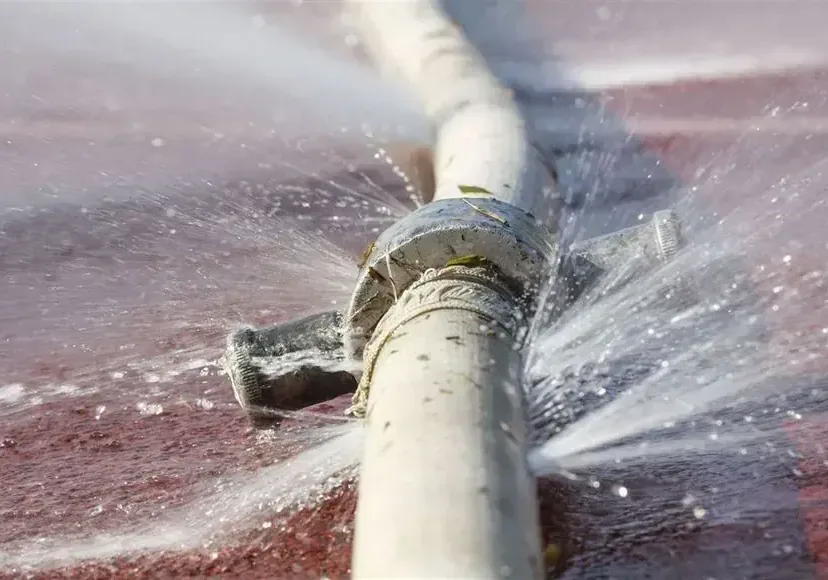
First steps for burst pipe water damage
- Locate safe isolation. Use a familiar shutoff only when it can be reached without entering water or touching affected electrical equipment. Otherwise request qualified assistance with stopping the discharge.
- Describe the failed location. Note whether the leak appeared at an exposed fitting, behind a wall or above a ceiling. Avoid opening a pressurized connection to investigate the cause.
- Protect the room below. If water came from an upper level, keep people out from beneath bulging or softened ceilings. Visible dripping can continue after the supply has been isolated.
- Save the repair details. Keep the plumber's notes and photographs of the failed component alongside damage photos. This separates the source repair from the material cleanup and later finish replacement.
What does burst pipe water damage cost in Culver City, CA?
Burst pipe water damage cleanup in Culver City uses planning ranges from $1,000 to $6,000. The amount released, cavity access and affected flooring change the restoration scope. Plumbing replacement and rebuilding should be identified separately from water removal and drying in the estimate.
For a closer planning number, run the water damage cost calculator. The restoration contractor who responds prices the job after the walkthrough and the moisture map.
How burst pipe water damage proceeds
- Step 1
Confirm source isolation
The assessment records whether the failed connection has been repaired or shut off. Persistent entry changes the extraction plan and requires further source coordination.
- Step 2
Measure the discharge path
Readings follow gravity, material junctions and adjacent rooms. This helps define the cleanup boundary beyond the stain nearest to the broken pipe or fitting.
- Step 3
Create drying access
Damaged or obstructive finishes are identified for selective removal. Materials suitable to remain receive a drying plan matched to their exposure and construction.
- Step 4
Check before enclosure
Followup readings show whether remaining assemblies are progressing. Completion notes explain the condition of exposed materials before the repair contractor restores the wall or floor.
A broken connection behind a wall can send water in several directions before a floor puddle appears. In Culver City, the cleanup question is how far that particular discharge traveled. The pipe opening and the visible stain may sit in different places, especially when water follows framing or passes through floor penetrations.
Start the map at the failed connection
A property in Blair Hills needs an inspection of its actual wet assemblies, just as one in Washington Culver needs checks of its own wall and floor junctions. Record the repair location and the suspected duration of release. Those details help identify surfaces worth testing beyond the obvious damage.
The public main incident on Sepulveda Boulevard in December 2018 involved a temporary road closure. Inside a building, source control belongs with the specific failed pipe or fitting. The restoration scope should identify that source clearly so plumbing work and cleanup can be coordinated.
Separate wet materials from damaged materials
Some accessible framing can remain while it dries. Swollen composite trim, softened wallboard or delaminated flooring may require removal. The decision depends on condition, contamination and access, with measurements used to check adjoining surfaces that still look intact after the discharge has stopped.
- Look for water collecting behind the lowest section of baseboard.
- Check floor transitions where the discharge crossed into another room.
- Record ceiling changes below an affected upper level plumbing connection.
- Preserve access to the repaired fitting until its condition is checked.
Close the cavity after the moisture problem
Water extraction reduces the liquid remaining on accessible surfaces. Where enclosed material stays wet, structural drying sets a separate plan for airflow, humidity control and repeat readings.
Repair photographs, moisture locations and removal notes should travel together into reconstruction. This record helps distinguish the repaired pipe from the finishes still awaiting work, preventing a fresh patch from concealing damp materials inside the wall.
Burst pipe water damage around Culver City
Pipe discharge assessments are available for buildings in Blair Hills, Washington Culver and McManus. Report the plumbing location, affected levels and any completed shutoff or repair so the cleanup visit can focus on the released water.
The same service nearby: burst pipe water damage in Tarzana, Beverly Hills, West Hollywood.
Water damage restoration in Culver City · every town covered
Related water damage services in Culver City
Burst Pipe Water Damage questions in Culver City, CA
Does closing the valve finish the emergency work?
It stops additional supply water when the valve controls the failed section. Released water can remain in cavities and floor layers, so removal and material checks are still needed after the plumbing discharge ends.
Can water travel away from the pipe break?
Yes. Framing, penetrations and floor joints can carry the release beyond the nearest stain. The inspection should include connected surfaces rather than using the visible pipe location as the cleanup boundary.
Will every wet wall need removal?
Condition and access determine the answer. An assembly that can be dried and checked may remain, while soft finishes or inaccessible wet layers can require selective opening to complete the work effectively.
Who repairs the broken plumbing?
A suitable plumbing professional handles the failed pipe or fitting. Restoration addresses the resulting water damage, with the source repair status recorded so drying does not proceed under an active discharge.
Why is the adjacent room being measured?
Water may cross beneath the wall or floor covering without leaving a visible trail. Checking nearby surfaces helps catch that movement before a narrow repair scope leaves damp material inside the building.
Can the opening be patched immediately?
Patching should wait until the source repair is complete and the affected cavity has been assessed for remaining moisture. Premature enclosure can hide wet framing or insulation behind a clean new finish.
Address what the pipe released
Request a scope that identifies wet assemblies, removal needs and the checks required before enclosure. Clear separation of plumbing repairs and restoration helps keep the next stage understandable.
(888) 578-6508Arrange discharge path assessmentTarzana Water Damage Restoration
Tarzana, CA and Los Angeles County
(888) 578-6508 · open 24/7
Water and sewage losses only
Find us on Google