Commercial Water Damage in Culver City
A wet business interior creates decisions about people, access and operations alongside the damaged materials. Commercial cleanup sets workable room boundaries and repair priorities while following the water through finishes, service areas and adjoining occupied spaces.
(888) 578-6508Discuss business access and wet areas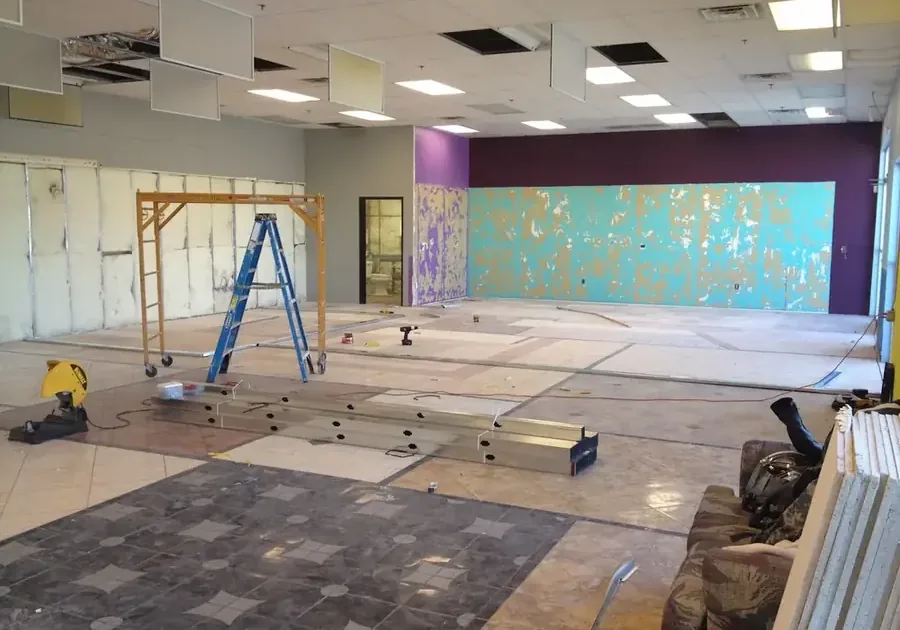
First steps for commercial water damage
- Identify the building contact. Provide the person authorized to coordinate access and communicate with occupants. Clear responsibility helps the inspection reach affected rooms without delaying needed source control or safe entry decisions.
- Separate occupied and affected areas. Mark spaces showing water, damaged finishes or equipment hazards. Keep staff and visitors outside those boundaries while safe exits and alternate movement routes are assessed for continued use.
- Describe operational constraints. Explain essential access needs, sensitive contents and shared facilities. Those details help shape equipment placement and removal sequencing around the actual business use of the building.
- Document damage by location. Record affected rooms, contents and visible water paths with clear location notes. Keep source repair information available so the cleanup and reconstruction scopes connect across contractors and management.
What does commercial water damage cost in Culver City, CA?
Commercial water damage cleanup in Culver City has planning ranges from $2,500 to $15,000. Interior extent, access requirements, contents handling and material complexity influence the scope. Equipment repairs, business interruption and reconstruction need separate consideration from extraction, cleaning and measured building drying.
For a closer planning number, run the water damage cost calculator. The restoration contractor who responds prices the job after the walkthrough and the moisture map.
How commercial water damage proceeds
- Step 1
Establish operational boundaries
Management establishes access permissions and restrictions around occupied areas, exits and the wet footprint. Those boundaries shape equipment placement before removal begins.
- Step 2
Map materials across rooms
Moisture checks follow connected walls, floors and overhead assemblies. Tenant or room divisions are documented alongside the actual water spread so the cleanup scope reflects the building conditions.
- Step 3
Sequence removal and drying
Contents handling, damaged finish removal and equipment placement are organized around safe work access. The plan protects clean areas while exposing suitable materials for controlled drying and monitoring.
- Step 4
Prepare the management handoff
Progress and completion records connect room locations with remaining repair needs. Management receives the material condition information needed to coordinate reconstruction and assess the use of affected spaces.
Culver City includes commercial settings such as The Culver Steps and Hayden Tract. When water affects a business interior, cleanup has to account for the way the actual space operates. Public access, shared corridors and equipment rooms can change the sequence even when the visible water occupies a limited area.
Define who can use which space
The first scope should identify affected rooms, safe exits and any boundary that occupants must avoid. A property near Culver Center may need coordination among management, tenants and repair contractors before equipment placement. Decisions should follow contamination, electrical conditions and the physical work needed inside the building.
Contents protection also needs an owner. Office materials, furnishings and equipment can require different handling, and a dry storage area should be identified before movement begins. Clear responsibilities reduce confusion about who authorizes access or decides how damaged items leave the work area.
Follow water through connected assemblies
A wet suite can share a wall, floor transition or ceiling cavity with another occupied space. The assessment should check those connections rather than relying on tenant boundaries to define the damage. Access permissions and material readings belong together in the inspection record.
- Identify a contact authorized to coordinate rooms, keys and access.
- Keep emergency exits usable throughout equipment placement and debris removal.
- Record affected contents separately from the building material drying scope.
- Check shared boundaries where moisture may cross into an adjacent interior.
Plan the handoff around actual conditions
Water extraction can reduce immediate pooling while the wider operational plan takes shape. Structural drying then tracks the retained moisture in suitable building materials.
Completion notes should identify access restrictions that remain, exposed areas needing reconstruction and measured conditions at the repair handoff. Reopening decisions need that practical information alongside the building's occupancy and operational requirements.
Commercial water damage around Culver City
Commercial assessments include Downtown Culver City and Hayden Tract properties. Provide building access details, affected suite information and the management contact so room boundaries, contents handling and drying equipment can be coordinated with the business interior.
The same service nearby: commercial water damage in Tarzana, Beverly Hills, West Hollywood.
Water damage restoration in Culver City · every town covered
Related water damage services in Culver City
Commercial Water Damage questions in Culver City, CA
Can a business remain open during cleanup?
That depends on hazards, separation and usable access. Some areas may remain occupied while others are restricted, but the decision should follow the actual work conditions and the building's operational needs throughout the project.
Who should coordinate access for the assessment?
A person authorized by the property or business should identify affected rooms, keys and access responsibilities. That contact can help coordinate tenants, staff and repair contractors while keeping changes to room use understandable.
Do suite walls contain all water damage?
Moisture can cross beneath finishes or through shared assemblies. The assessment should check connected surfaces and arrange any additional access needed rather than assuming the visible tenant boundary contains the entire wet footprint.
Can office equipment stay in a wet room?
Equipment exposure and safe handling need assessment before movement or continued use. Contents decisions should be coordinated with the responsible owner, with dry storage and access planned separately from building material removal and drying.
What belongs in the restoration documentation?
Location notes, affected materials, source status and drying readings support a clear record. Contents handling and remaining openings should also be identified so management can connect cleanup completion with the next repair contractor's scope.
Does drying completion decide when operations resume?
Material drying is part of the decision. Remaining electrical work, open finishes, safe access and operational requirements also matter, so management should use the completion record alongside the condition of the overall business space.
Make the repair handoff usable
Arrange a scope that explains work boundaries and drying progress by location. Clear records help property management coordinate the damaged interior with repair contractors and the business activities around it.
(888) 578-6508Discuss business cleanup coordinationTarzana Water Damage Restoration
Tarzana, CA and Los Angeles County
(888) 578-6508 · open 24/7
Water and sewage losses only
Find us on Google