Sewage Backup Cleanup in Culver City
A backed up drain changes how the room can be entered and how its contents must be handled. Sewage cleanup begins by restricting contact, then follows the discharge into porous finishes and concealed edges before drying proceeds.
(888) 578-6508Discuss the wastewater contact boundary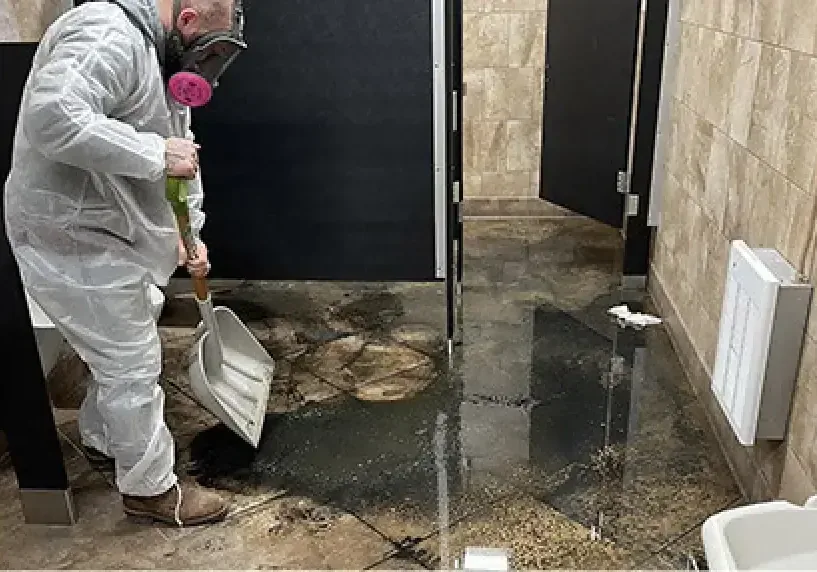
First steps for sewage backup cleanup
- Keep the affected area vacant. Prevent contact with wastewater and restrict access to adjacent wet surfaces. Children, pets and occupants should remain outside the cleanup boundary until safe conditions are established.
- Reduce further drain discharge. Stop using affected fixtures and report other drains showing backup. Appropriate plumbing attention is needed to establish the cause and prevent more wastewater entering during the cleanup.
- Leave contaminated items separated. Avoid carrying soaked belongings into clean rooms to sort them. Document their condition from a safe position and let the removal plan determine how items leave the area.
- Describe every contact surface. Mention carpet, cabinets, wall bases and room transitions reached by the discharge. This helps the assessment define concealed inspection needs as well as the visible wastewater footprint.
What does sewage backup cleanup cost in Culver City, CA?
Sewage backup cleanup in Culver City has planning ranges from $1,500 to $8,000. Contact area, absorbent materials, disposal and access affect the estimate. Drain repairs and rebuilding should be itemized separately from controlled wastewater removal, cleaning and drying of remaining suitable materials.
For a closer planning number, run the water damage cost calculator. The restoration contractor who responds prices the job after the walkthrough and the moisture map.
How sewage backup cleanup proceeds
- Step 1
Map wastewater contact
Discharge locations establish containment. Drain repair status connects source correction with wastewater removal through protected routes that avoid clean rooms.
- Step 2
Contain and remove affected material
Water, debris and unsuitable porous finishes are handled within a controlled work area. The removal sequence protects clean rooms and accounts for the condition of affected contents.
- Step 3
Clean remaining suitable surfaces
After gross contamination is removed, accessible surfaces receive appropriate cleaning. Cabinet recesses, wall edges and floor transitions are inspected for hidden contact that could extend the required scope.
- Step 4
Measure the remaining moisture
Suitable building materials are dried and checked by location. Records connect the cleaned footprint with final material conditions, supporting reconstruction after the drain problem and cleanup work are addressed.
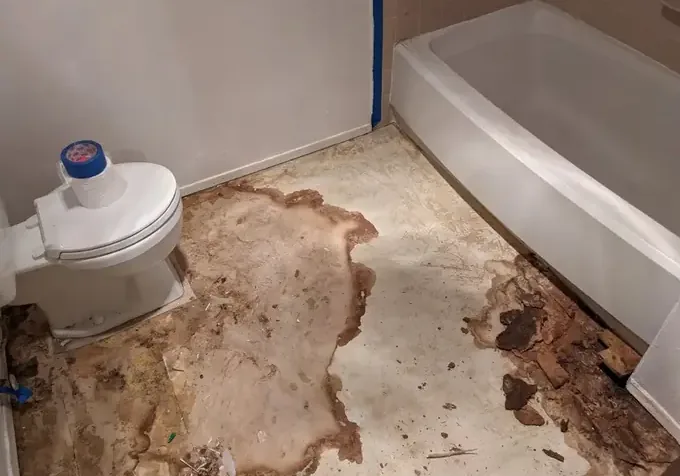
Wastewater emerging from a drain can reach beneath doors, cabinets and floor coverings before anyone notices the backup. At a Culver City property, the first cleanup boundary should follow that contact. Odor can draw attention to the problem, but visible and concealed discharge paths determine where inspection is needed.
Separate drain repair from contamination removal
A plumbing professional investigates the obstruction or failed drain function. Restoration addresses the liquid already inside and the surfaces it touched. For a building in Lucerne-Higuera, explain which fixtures backed up and whether discharge continues so both tasks can be coordinated around the actual event.
Public drinking water work in Blair Hills concerns a separate system from an indoor sanitary backup. Cleanup decisions should stay focused on the affected drain, observed wastewater and material contact at the property. The inspection record needs a clear source description rather than a general reference to nearby utility work.
Use a controlled route through the property
In Culver West, as elsewhere in the city, occupied rooms should remain separated from the cleanup path. Equipment and debris movement need planning so contaminated objects do not cross clean surfaces unprotected. Porous finishes may require removal when effective cleaning cannot reach their absorbed contamination.
- Identify doorways where wastewater crossed into another room or covering.
- Keep affected belongings separate from dry storage and clean household items.
- Assess hidden contact beneath cabinets and along damaged wall bases.
- Document disposal decisions before replacement finishes conceal the exposed assembly.
Make drying follow the cleanup boundary
A limited fixture incident may also involve toilet overflow cleanup. Where discharge reaches more rooms, the containment and removal scope must follow that wider footprint.
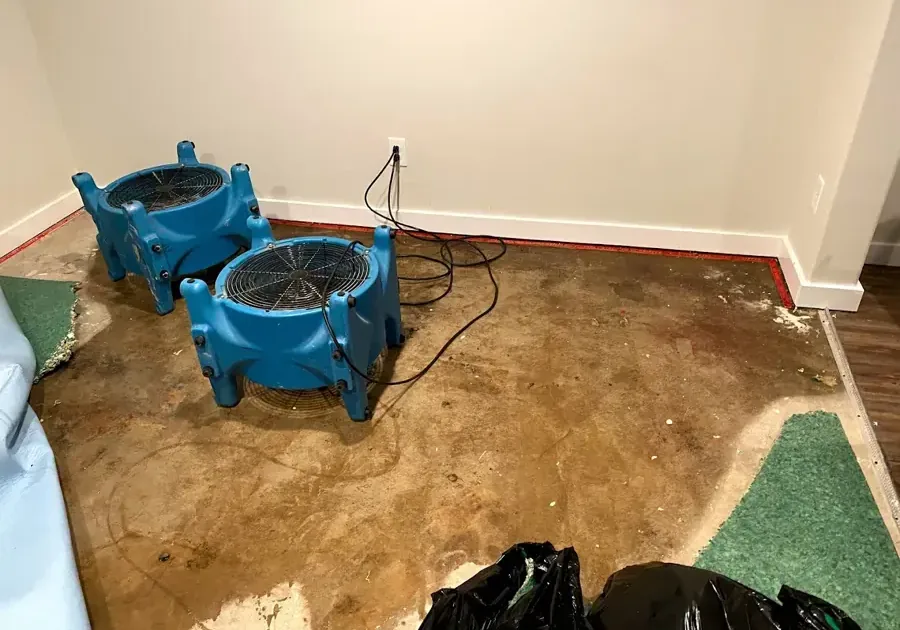
Structural drying addresses moisture in suitable remaining materials after cleaning access is established. The completion record should connect source correction, cleaned surfaces and material readings so the repair handoff covers both contamination and retained water.
Sewage backup cleanup around Culver City
Wastewater assessments include Lucerne-Higuera, Blair Hills and Culver West properties. Identify the affected fixtures, occupied rooms and available clean exit route so containment and debris handling can be planned around the actual interior layout and discharge footprint.
The same service nearby: sewage backup cleanup in Tarzana, Beverly Hills, West Hollywood.
Water damage restoration in Culver City · every town covered
Related water damage services in Culver City
Sewage Backup Cleanup questions in Culver City, CA
Does the smell identify the entire affected area?
Odor may draw attention to a backup, but discharge can reach hidden surfaces beyond the obvious source. The inspection follows actual contact and moisture paths when defining containment, cleaning and material removal.
Can absorbent flooring simply be disinfected?
Liquid can penetrate layers that surface treatment cannot reach effectively. The assessment considers contamination, material construction and access before deciding whether carpet, padding or other absorbent finishes are suitable to retain after the backup.
Who establishes why the drain backed up?
A plumbing professional investigates the drain problem and the repair needed to restore function. Restoration documents and addresses the wastewater already released, with communication between those tasks helping prevent renewed contamination during cleanup.
Should all fixtures remain unused during assessment?
Affected fixtures should stay out of use, and related backup symptoms should be reported to the plumbing professional. The appropriate restriction depends on the drain investigation and the risk of adding more discharge indoors.
Can cleanup start while people use adjacent rooms?
That depends on separation, safe access and the removal route. Occupancy decisions must consider contamination and work conditions so people do not cross the affected boundary or interfere with protected handling of debris.
What should the completion paperwork explain?
The record should identify affected boundaries, removed materials, cleaned surfaces and drying checks. Keeping source repair information with those notes helps explain the condition of the space before reconstruction covers the exposed assembly.
Resolve contact before restoring finishes
Arrange a scope that follows the discharge through visible and concealed surfaces. Controlled removal and documented drying help carry the affected space into the repair stage with clear material decisions.
(888) 578-6508Discuss wastewater removal planningTarzana Water Damage Restoration
Tarzana, CA and Los Angeles County
(888) 578-6508 · open 24/7
Water and sewage losses only
Find us on Google