San Fernando Commercial Water Damage Cleanup
A wet business interior creates decisions about occupants, stock and the next shift before repairs even begin. Commercial restoration organizes the affected rooms and access routes while source correction, material handling and drying are coordinated with management.
(888) 578-6508Discuss affected business rooms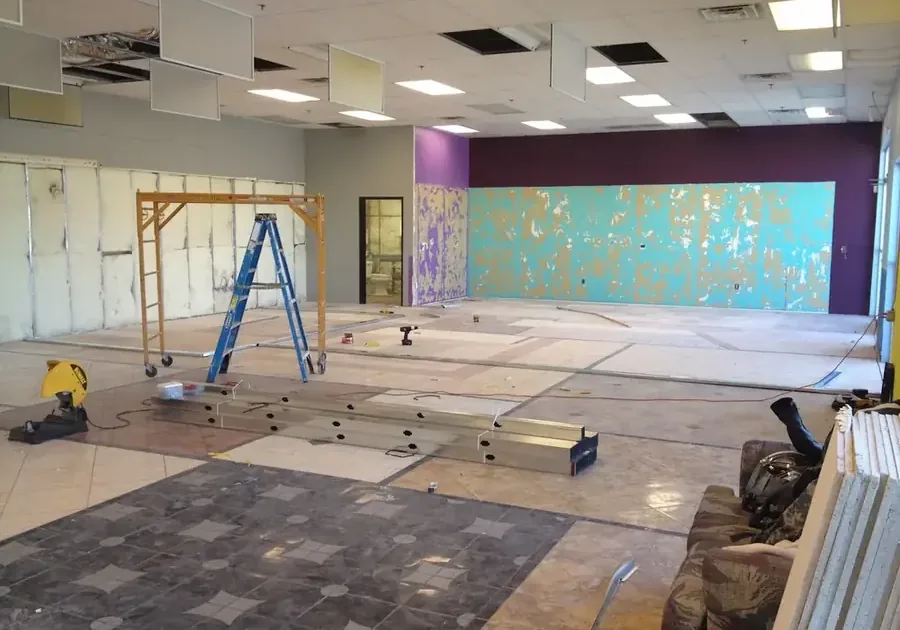
First steps for commercial water damage
- Name the authorized building contact. Provide a manager who can approve access and coordinate other occupants. Include any restricted room, neighboring suite or service area involved in tracing the source and spread.
- Separate occupants from wet work. Mark the affected area and identify usable entrances. Decisions about continued operation should account for electrical exposure, ceiling stability, contamination and access to essential building facilities.
- Document affected stock and equipment. Photograph items in place when safe and record their room locations. Coordinate movement with management so restoration can inspect concealed edges without losing track of business property.
- Align the trades and schedule. Share the source contractor's status and any access restrictions. The written plan should distinguish emergency cleanup, monitored drying and reconstruction tasks that management will need to coordinate later.
What does commercial water damage cost in San Fernando, CA?
Commercial water damage costs in San Fernando reflect room count, material types, contents handling and access coordination. These restoration ranges support preliminary planning. The written scope should identify equipment, monitoring and removal work while separating business property replacement and subsequent construction tasks.
For a closer planning number, run the water damage cost calculator. The restoration contractor who responds prices the job after the walkthrough and the moisture map.
How commercial water damage proceeds
- Step 1
Survey the building with management
Establish affected rooms, available access and responsible contacts. Note the source status and any neighboring space that needs inspection before defining the restoration boundary.
- Step 2
Organize contents and removal routes
Plan approved movement of stock and furnishings to expose wet materials. Keep contaminated or soaked items separated from usable areas while preserving a clear record of locations.
- Step 3
Dry retained building assemblies
Arrange equipment around the actual floor and wall materials. Monitoring updates should explain progress by room and identify any access restriction preventing further work.
- Step 4
Deliver an area based handoff
Provide moisture results, removal details and pending repair tasks for each affected space. The management team can then coordinate reconstruction and operational decisions using shared records.
A leak in a workroom can interrupt several activities even when the visible water is confined. Staff may need another entrance, stored goods may block wet walls and a neighboring tenant may control access to the source. The assessment starts by identifying those dependencies alongside the building damage.
Choose a responsible contact and a room plan
San Fernando Library is on North Maclay Avenue and forms part of Library Plaza Mall. Commercial and community properties need access instructions specific to their own affected spaces. Name the person who can authorize work, open restricted rooms and coordinate notices to other occupants.
The room plan should distinguish wet areas from usable passages. Record stock, equipment and fixed fittings that prevent inspection at floor or wall edges. The cleanup schedule then reflects necessary access, with management deciding operational arrangements after the safety conditions are understood.
Make the scope useful to building management
Separate source repair, restoration and reconstruction responsibilities in writing. A plumber may address the failed connection while another contractor handles damaged finishes. Document the rooms shared with other occupants so drying equipment and removal routes do not unexpectedly block normal building access.
- Identify keys or permissions needed for adjoining suites and storage rooms.
- Record affected stock before approved movement changes its original position.
- Protect a clean route around the active restoration work area.
- Share the source repair status with the designated property contact.
Keep material records connected to operating decisions
Water extraction may begin the interior work once access is safe. Structural drying then follows the retained wet assemblies. Management needs updates tied to rooms, remaining hazards and material progress rather than a general impression of dryness.
The final handoff should list removed finishes, drying results and pending repairs by area. That organization helps the property team schedule rebuilding and decide how affected portions can return to their intended use.
Commercial water damage around San Fernando
Commercial assessment access can be coordinated along First Street and Glenoaks Boulevard. Provide the authorized property contact, affected suite and any shared entrance so the cleanup route can be planned around the building's current occupants.
The same service nearby: commercial water damage in Tarzana, West Hollywood, Beverly Hills.
Water damage restoration in San Fernando · every town covered
Related water damage services in San Fernando
Commercial Water Damage questions in San Fernando, CA
Can the business stay open during restoration?
That depends on the hazards, essential facilities and separation available at the property. Management should coordinate with the responsible professionals before allowing activity near wet rooms, active equipment or material removal routes during cleanup.
Who should authorize openings in rented premises?
Coordinate with the property owner or manager and clarify lease responsibilities. The contractor needs an authorized contact for building changes, access to adjoining areas and notices affecting other occupants during the restoration project.
How should damaged inventory be documented?
Photograph it safely in place and record its location before approved movement. Keep those records with the business's own inventory documentation and insurer instructions so contents decisions remain separate from the building restoration scope.
What if the source is in another suite?
Management should arrange the necessary access and communication. Restoration can assess the affected interior while source correction is coordinated, but the drying plan needs accurate information about continued entry from the adjoining space.
Can cleanup be arranged around operating hours?
Discuss access restrictions and occupancy needs during planning. The actual schedule depends on hazards, source status and the work required; some equipment or protected areas may need to remain in place between contractor visits.
What should the completion record include?
Request room specific removal notes, moisture results and a list of pending repairs. Linking that record to source correction and contents documentation helps management coordinate the remaining work and the return of affected spaces to use.
Give management a room by room scope
Documented material conditions and clear access responsibilities help connect emergency restoration with the repair schedule, keeping the property team informed about the decisions needed in each affected space.
(888) 578-6508Discuss the property access planTarzana Water Damage Restoration
Tarzana, CA and Los Angeles County
(888) 578-6508 · open 24/7
Water and sewage losses only
Find us on Google