Sewage Backup Cleanup in San Fernando
Wastewater returning through a drain can affect more than the fixture where it appears. Sewage cleanup establishes the contacted area, controls movement through it and plans removal and cleaning before the retained building materials are dried.
(888) 578-6508Arrange a wastewater damage assessment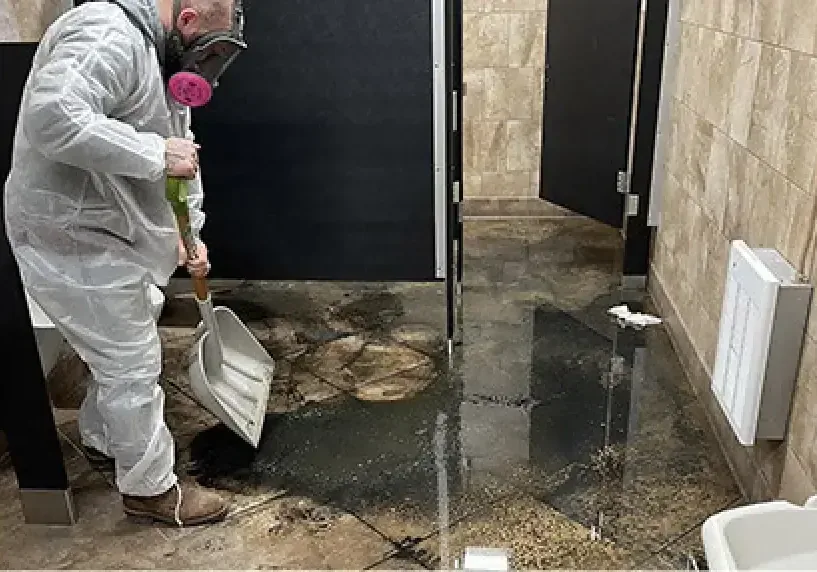
First steps for sewage backup cleanup
- Close the affected rooms. Keep people and pets outside the wastewater footprint. Establish another route through the property and avoid moving dirty footwear or belongings into otherwise dry occupied spaces.
- Stop adding water to drains. Limit use of affected fixtures until the plumbing professional gives direction. Explain which drains are returning water and whether the backup persists when fixtures are idle.
- Coordinate access and responsibility. Notify the property manager or owner about source diagnosis and cleanup needs. Confirm entry arrangements and authority for removing contaminated finishes before the restoration scope is carried out.
- Document the contaminated boundary. Photograph affected surfaces from clean ground and list items that cannot be reached safely. Include low storage, carpeting and neighboring rooms where wastewater passed beneath a doorway.
What does sewage backup cleanup cost in San Fernando, CA?
Sewage backup cleanup in San Fernando depends on the contaminated footprint, porous materials and complexity of access. The planning ranges reflect removal, cleaning and drying needs. Drain correction, contents replacement and reconstruction should be separately identified so the full project remains understandable.
For a closer planning number, run the water damage cost calculator. The restoration contractor who responds prices the job after the walkthrough and the moisture map.
How sewage backup cleanup proceeds
- Step 1
Establish a controlled work area
Mark the wastewater route and separate it from clean occupied rooms. Plan entry, equipment placement and removal access around the building's actual contaminated surfaces and contents.
- Step 2
Remove affected porous materials
Assess damaged finishes and contents for appropriate handling. Explain removal decisions and maintain a controlled route so work does not spread contamination through unaffected spaces.
- Step 3
Clean retained surfaces thoroughly
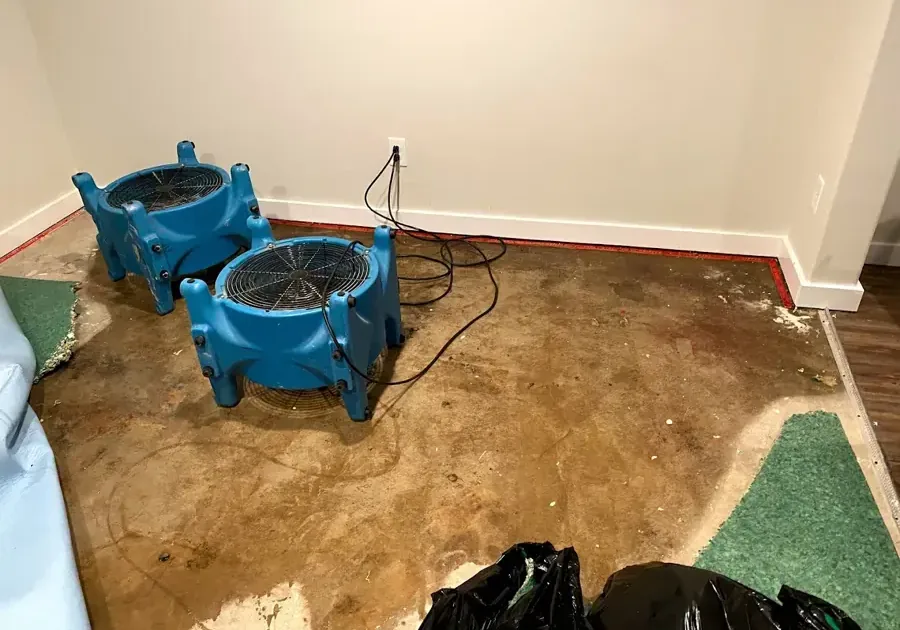
Use suitable procedures for the materials and contamination present. The cleaning stage prepares accessible retained surfaces before drying equipment is directed at damp framing or floor assemblies.
- Step 4
Document drying and remaining repairs
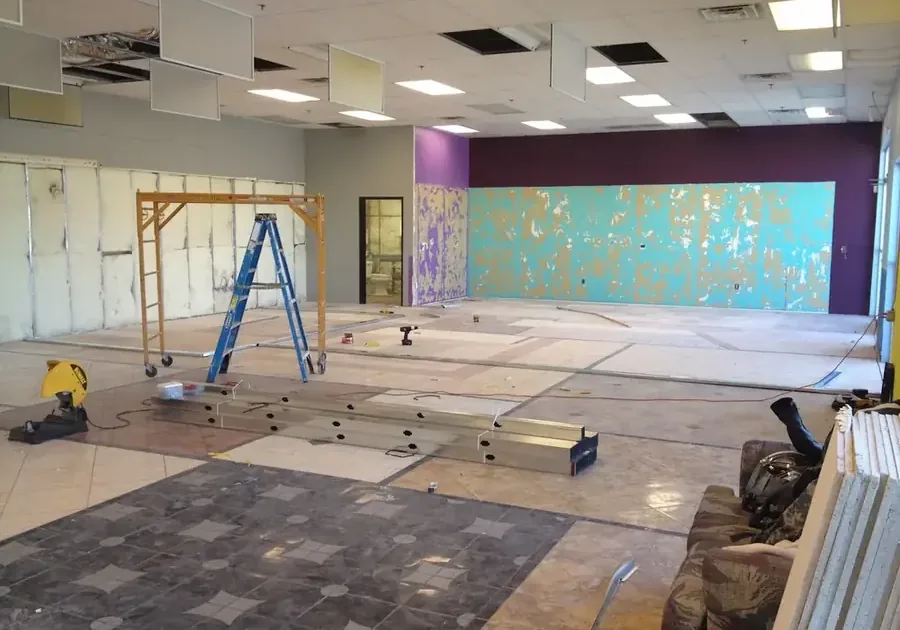
Track moisture after contamination work and record the endpoint for retained materials. Provide a clear account of removed finishes and pending reconstruction alongside drain repair documents.
A backup at a low fixture can send wastewater across joints, under doors and into storage areas. The cleanup boundary follows that full route. Restricting access early keeps occupants from carrying contaminated material onto other floors while the drain problem and restoration scope are being assessed.
Describe the symptoms without restarting fixtures
Tell the plumbing professional which drains are affected and whether discharge continues while fixtures are unused. Those observations help organize diagnosis. Avoid repeated tests that add water to the building. Restoration can document the surfaces already contacted while the source investigation proceeds through the appropriate trade.
For a property on North Maclay Avenue or near Library Plaza Mall, identify the entrance that stays outside the wastewater path. The same access planning applies around Pioneer Park: occupants need a clean route while affected materials leave through a controlled work passage.
Separate contents and building materials deliberately
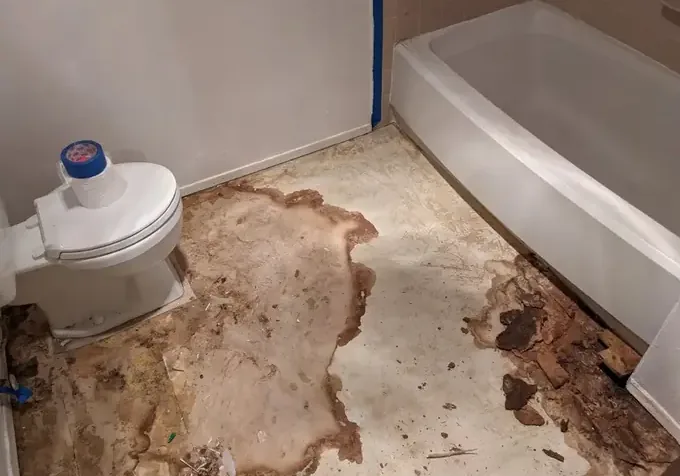
Wet cardboard, carpet backing and unfinished cabinet edges need different handling from accessible hard surfaces. The assessment considers contamination, condition and whether cleaning can reach the contacted material. Removal decisions should be explained in the scope, with a handling route that avoids contaminating storage or occupied rooms.
- List every room where wastewater or tracked residue is visible.
- Keep affected contents together until sorting and handling are planned.
- Report water beneath fixed shelving or other inaccessible floor areas.
- Preserve source diagnosis documents alongside cleanup and disposal records.
Prepare retained surfaces for the drying phase
A contained fixture incident may fit toilet overflow cleanup. Broader backups can require more extensive removal before structural drying begins. Air movement belongs after the necessary contamination work, with equipment arranged for the retained wet assemblies.
The completion record should identify removed materials, cleaned areas and remaining moisture or repair tasks. Drain correction stops the return of wastewater; the restoration record shows what happened to the building surfaces and contents already reached by the backup.
Sewage backup cleanup around San Fernando
Wastewater assessment planning covers properties around Las Palmas Park and First Street. Identify a clean entrance and any occupied areas sharing access with the affected rooms so the handling route can be established before cleanup begins.
The same service nearby: sewage backup cleanup in Tarzana, West Hollywood, Beverly Hills.
Water damage restoration in San Fernando · every town covered
Related water damage services in San Fernando
Sewage Backup Cleanup questions in San Fernando, CA
Does the visible fixture identify who is responsible?
The plumbing investigation determines the cause and location of the problem. Keep diagnosis documents and coordinate with the property owner or manager while restoration addresses the wastewater that has entered the building.
Can sewage affected carpet simply be dried?
Drying alone does not address contamination in carpet backing or padding. The material assessment must consider the wastewater contact and appropriate removal or treatment before work proceeds toward drying the underlying retained structure.
Should occupants test other drains themselves?
Testing can add wastewater to the affected area. Report the symptoms already observed and let the plumbing professional direct further checks, especially if several fixtures appear to be involved in the same incident.
Why are dry rooms kept separate during cleanup?
Workers, contents and tools need controlled routes so material from the backup is not carried elsewhere. A defined work boundary protects occupied areas while removal, cleaning and later drying proceed inside affected rooms.
What information belongs in the cleanup record?
Keep photographs, a room list, source diagnosis and the written restoration scope. Records should also identify removed materials and the cleaning or drying performed on retained surfaces before the building is prepared for repairs.
When is air movement appropriate after a backup?
The necessary removal and contamination work comes first. Once retained materials are ready for drying, equipment can be arranged to address moisture without disturbing uncleaned wastewater residue or spreading it beyond the work area.
Keep the cleanup boundary clear
The project scope should explain material handling and cleaning before drying, with records showing what remains to be repaired when the source problem has been corrected.
(888) 578-6508Arrange contaminated room assessmentTarzana Water Damage Restoration
Tarzana, CA and Los Angeles County
(888) 578-6508 · open 24/7
Water and sewage losses only
Find us on Google