San Fernando Hardwood Floor Water Damage
Raised board edges can remain after a spill disappears from view. A wood floor assessment compares the boards with the substrate underneath, then considers drying access, material condition and the right point to make repair decisions.
(888) 578-6508Discuss changes in the floorboards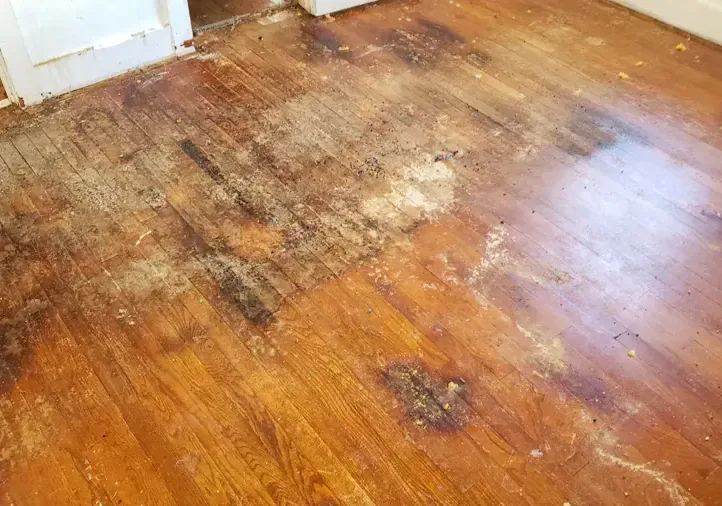
First steps for hardwood floor water damage
- Photograph changes from a safe route. Record raised seams, discoloration and lifted boards without walking over unstable areas. Include a wider room view so the location of each change remains clear later.
- Stop the water source first. Explain whether the leak has been corrected and whether any dampness returns. Drying decisions depend on knowing that the floor is no longer receiving additional water.
- Provide access to floor edges. Identify furniture or rugs covering the affected area. Coordinate safe movement so the inspector can check joints, thresholds and adjacent rooms without damaging softened or lifted boards.
- Postpone cosmetic treatment. Avoid sanding, refinishing or forcing boards flat before assessment. The material record should establish moisture conditions and stability before the flooring contractor decides on the visible repair.
What does hardwood floor water damage cost in San Fernando, CA?
Hardwood floor water damage in San Fernando depends on the board condition, substrate wetting and access needed for assessment. These ranges concern restoration planning. Replacement materials, matching and refinishing should be clearly separated from extraction and drying in the proposal.
For a closer planning number, run the water damage cost calculator. The restoration contractor who responds prices the job after the walkthrough and the moisture map.
How hardwood floor water damage proceeds
- Step 1
Record movement and moisture
Map raised edges and affected joints alongside material readings. Compare with suitable unaffected portions of the floor and identify the actual assembly where accessible.
- Step 2
Assess retention and access
Consider the water source, board integrity and substrate condition. Explain which areas can be evaluated in place and where removal may be necessary to reach trapped moisture.
- Step 3
Track the response to drying
Use equipment suited to the exposed materials and check progress over time. Moisture results and visible changes help determine whether the drying approach needs adjustment.
- Step 4
Plan the flooring repair handoff
Document retained and removed sections with final readings. The flooring contractor can then address matching, replacement and finishing requirements using a record of the assembly's actual condition.
The first change may be a rough seam underfoot rather than an obvious pool. Board edges can rise as moisture conditions change across the wood and the material below it. An assessment records those changes and checks the entire assembly before recommending drying, lifting or replacement of the affected floor.
Compare the wet area with the surrounding floor
Photographs show discoloration and shape, while material measurements add information about moisture. Both belong in the record. The inspector should identify the flooring type, accessible substrate and transitions into other rooms rather than assume that every board responds or can be treated in the same way.
In homes near Casa de López Adobe, Layne Park or Cindy Montañez Natural Park, inspection access depends on the actual furniture arrangement and wet room boundaries. Tell the coordinator where boards have changed shape and whether stored items prevent access to the wall edges or adjoining closets.
Choose drying access without rushing the finish work
A surface may feel dry while the underside of a board or its substrate remains damp. Equipment selection and placement therefore depend on the assembly and water involved. The scope should explain how concealed moisture will be checked and whether coverings or selected boards need to be removed for access.
- Mark visible lifting without fastening or weighing the boards down.
- Describe whether water entered from above or beneath the flooring.
- Keep rugs off the affected area when removal is safe.
- Record matching details before damaged boards leave the repair area.
Separate salvage decisions from decorative repairs
Water beneath flooring can originate from a concealed plumbing leak or another source. Structural drying may address the retained substrate while the floor's physical condition is evaluated. Sanding is a later finishing decision after moisture and movement have been assessed.
The written plan should distinguish what can be dried from what has lost integrity. It should also identify any opening needed to assess a trapped layer. A clear record helps the flooring contractor discuss replacement, matching and refinishing around the material condition at the time of repair.
Before the room is put back together, keep final readings with photographs of the exposed floor assembly. That handoff helps avoid concealing a damp substrate beneath a new finish while also preserving the details needed to plan the visible repair.
Hardwood floor water damage around San Fernando
Wood floor assessments can be coordinated for homes around Pioneer Park and North Maclay Avenue. Identify the affected room and safe walking route, including any furniture that prevents access to raised boards or damp floor edges.
The same service nearby: hardwood floor water damage in Tarzana, West Hollywood, Beverly Hills.
Water damage restoration in San Fernando · every town covered
Related water damage services in San Fernando
Hardwood Floor Water Damage questions in San Fernando, CA
Does cupping mean the floor must be replaced?
Board shape alone cannot settle the decision. The assessment considers moisture, construction, damage and the water source together, then explains whether drying and later repair are practical for the affected portion of the floor.
Why measure beneath boards that look dry?
The underside and substrate may hold moisture after the exposed face changes appearance. Checking those layers helps establish whether the assembly is ready for repair or still needs access and continued drying work.
Can sanding start while the boards remain damp?
Sanding should wait until moisture and movement have been assessed. Altering the surface too early can leave the floor uneven when conditions change, so the flooring professional needs a stable basis for finishing decisions.
Should rugs remain over the affected section?
A rug can conceal changes and restrict access to the floor. Arrange safe removal and storage, taking contamination into account, so the inspection can reach the boards and the wet area is not hidden.
Will the replacement boards match the existing room?
Matching depends on the actual flooring product, age and finish condition. Retain samples and photographs for the flooring contractor, who can explain replacement and refinishing options after the restoration assessment is complete.
What if water came from below the floor?
Source investigation and repair must be coordinated before enclosure. The restoration scope then follows moisture through the substrate and boards, with access and drying decisions based on the layers actually affected at the property.
Measure the assembly before changing its finish
Documented moisture conditions help connect drying with the next flooring task, whether that involves retaining boards, exposing the substrate or planning replacement of damaged sections after the source is corrected.
(888) 578-6508Assess the damp board assemblyTarzana Water Damage Restoration
Tarzana, CA and Los Angeles County
(888) 578-6508 · open 24/7
Water and sewage losses only
Find us on Google