Beverly Hills Hardwood Floor Water Damage
Raised board edges deserve more than a cosmetic fix. A wood floor assessment considers the water source, the layers beneath the finish and the condition of individual boards before drying, lifting or refinishing becomes the next decision.
(888) 578-6508Discuss the changed wood floor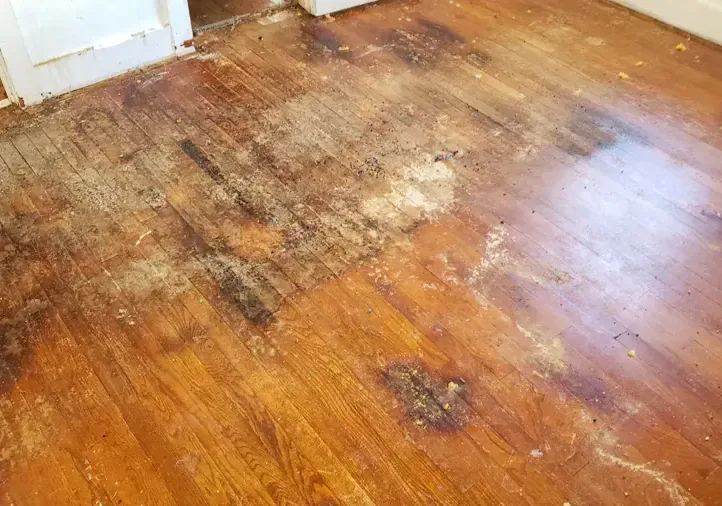
First steps for hardwood floor water damage
- Record the visible board changes. Photograph raised edges, gaps and dark seams from a safe position, including adjacent flooring that appears unaffected for context before furniture or rugs are moved.
- Identify the water exposure. Describe the source, the affected rooms and whether moisture keeps returning so the assessment can separate a continuing leak from water retained in the floor layers.
- Discuss access beneath the finish. Ask whether readings and edge inspection can establish the wet boundary or whether selective lifting is necessary to reach the substrate and evaluate its condition.
- Postpone cosmetic treatment. Keep sanding, staining and replacement decisions connected to the drying findings so finish work does not conceal moisture or alter boards before their condition is understood.
What does hardwood floor water damage cost in Beverly Hills, CA?
Hardwood floor damage cleanup in Beverly Hills spans $1,000 to $5,000 in these planning ranges. Wet area, substrate access and board condition shape the scope; replacement flooring and refinishing need separate detail from extraction and drying.
For a closer planning number, run the water damage cost calculator. The restoration contractor who responds prices the job after the walkthrough and the moisture map.
How hardwood floor water damage proceeds
- Step 1
Establish a condition record
The initial assessment documents visible distortion and readings across affected and suitable reference areas, preserving the starting condition before extraction, access or equipment changes the floor.
- Step 2
Evaluate layers and exposure
Floor construction and the water source determine whether the installation can be dried in place or needs selective opening to address trapped moisture and damaged materials.
- Step 3
Apply measured moisture control
Drying equipment is arranged around the retained assembly, with progress checks used to adjust treatment and identify areas that remain wet beneath an apparently improved surface.
- Step 4
Plan the repair transition
Final material findings inform retention, replacement and refinishing discussions, including whether the substrate needs additional preparation before the selected flooring repair can proceed appropriately.
A floor that looks darker along the seams may still contain moisture beneath the finish. In Beverly Hills, the assessment should begin with the actual flooring at the property, its exposure and the source of the water. Board appearance helps locate concerns, but it cannot replace measurements of affected materials.
Check the whole assembly beneath the finish
Wood boards, underlay, adhesive and the substrate can respond differently to the same release. A drying method needs to account for that construction. Water trapped beneath a surface may require access from an edge or selective lifting before it can leave the assembly effectively.
The Flats sits between Sunset Boulevard and Santa Monica Boulevard, while Trousdale Estates includes large homes. At a property in either area, inspection follows the particular floor installation and the water path. A continuous finish crossing a doorway deserves attention on both sides of the threshold.
Physical damage changes the retention decision
Cupping, separation, loosened adhesion and discoloration should be documented before treatment. Some changes may respond to controlled drying; other damage may require replacement. The concealed leak service is relevant when recurring moisture beneath the floor first needs plumbing diagnosis and source correction.
- Photograph board edges and seams before furniture hides the changes.
- Record any rug or floor covering that held moisture underneath.
- Ask how the substrate will be assessed without unnecessary damage.
- Keep replacement choices separate from unsupported promises about board recovery.
Refinishing belongs after material stability is assessed
Sanding a wet floor can remove material before the boards have reached a suitable condition. The drying record should explain the remaining moisture and the observations supporting the next repair step. Cosmetic work cannot correct a continuing source or water trapped below the installation.
The structural drying assessment helps connect floor conditions with wet wall bases or adjoining assemblies. When equipment is removed, the property contact should receive a clear account of what remained, what was lifted and what further flooring work is required.
Matching a replacement finish is a later discussion. The immediate priority is to make retention and removal decisions from the actual damage, then leave a substrate suitable for the intended repair rather than cover a still damp layer.
Hardwood floor water damage around Beverly Hills
Wood floor assessments follow the affected installation across connected rooms in local properties. Describe the visible changes, source repair status and any furniture access restrictions so inspection can address both the finish and the substrate.
The same service nearby: hardwood floor water damage in Tarzana, West Hollywood, Culver City.
Water damage restoration in Beverly Hills · every town covered
Related water damage services in Beverly Hills
Hardwood Floor Water Damage questions in Beverly Hills, CA
Will every cupped board return to its former shape?
Recovery depends on the material, exposure and physical damage. Drying measurements and condition checks support the decision, but a distorted floor should not receive a promised cosmetic outcome before it has been assessed.
Can sanding start when the top feels dry?
Moisture measurements need to include the layers beneath the visible surface. Sanding should wait until the floor has suitable stability and the source is controlled, avoiding premature removal of otherwise retainable board material.
Why inspect the floor beyond the stained area?
Water can travel beneath a continuous installation without creating an immediate surface mark. Checking connected rooms and transitions helps establish the actual wet boundary before limiting the drying or removal scope.
Does a rug change the assessment?
A rug can hold moisture against the floor and hide changes in the finish. Safe removal and documentation allow the covered area to be checked, including any staining or retained moisture underneath.
Can wood contacted by sewage be retained?
Contamination changes the material decision. Cleanability, the layers exposed and access to concealed surfaces must be assessed before retention is considered, rather than assuming ordinary wood floor drying is sufficient.
What happens before replacement boards are installed?
The source needs correction and the substrate needs a suitable condition for the intended installation. Drying records and any preparation requirements should be available before new material conceals the underlying assembly again.
Choose repairs from measured material conditions
Arrange a floor assessment before sanding or replacement. The remaining moisture and physical condition should determine the next step, with connected wall or substrate damage included in the scope.
(888) 578-6508Arrange wood floor moisture assessmentTarzana Water Damage Restoration
Tarzana, CA and Los Angeles County
(888) 578-6508 · open 24/7
Water and sewage losses only
Find us on Google