Water Extraction in Beverly Hills
Water collecting at a doorway can hide a much larger wet area beneath flooring. Extraction begins with safe access and follows the water into adjoining spaces before the remaining moisture is assessed.
(888) 578-6508Arrange pooled water removal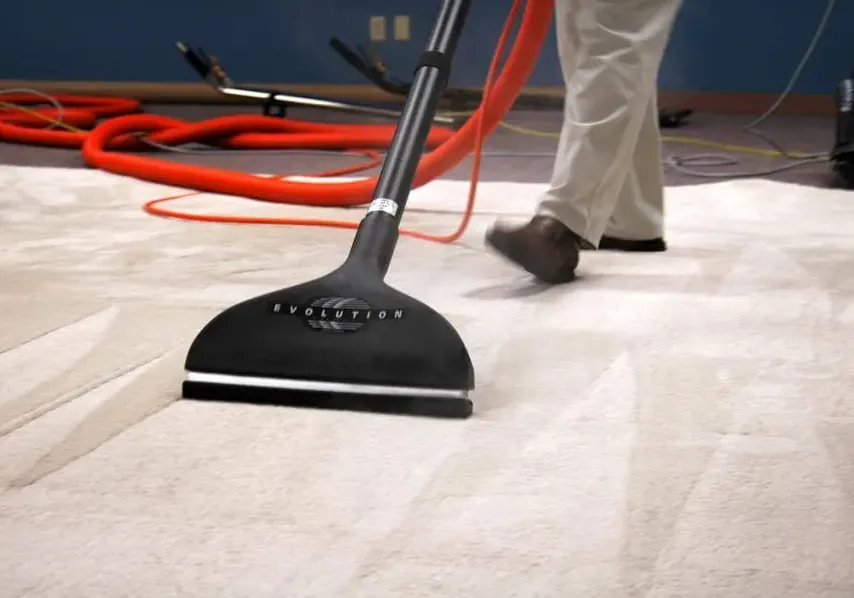
First steps for water extraction
- Describe the active pooling. Note which rooms contain standing water, whether the source is still flowing and whether occupants can reach the area without crossing electrical hazards.
- Arrange safe entry. Keep the inspection route clear of loose objects and explain apartment entry requirements so equipment can reach the wet space without obstructing shared access.
- Record movable contents. Photograph wet furnishings and floor coverings before safe relocation, keeping contaminated objects separate from dry possessions during the initial room assessment and extraction setup.
- Plan the next phase. Ask which materials remain wet after removal and whether opening flooring edges or starting controlled drying is included in the proposed scope of work.
What does water extraction cost in Beverly Hills, CA?
Water extraction in Beverly Hills ranges from $700 to $4,500 for the listed cleanup scenarios. Water depth, affected floor area, debris and access influence the scope; retained moisture and necessary material removal can add work beyond initial collection.
For a closer planning number, run the water damage cost calculator. The restoration contractor who responds prices the job after the walkthrough and the moisture map.
How water extraction proceeds
- Step 1
Survey the spread
The inspection documents pooling and checks adjacent surfaces so extraction begins with a practical understanding of where water moved after leaving its source.
- Step 2
Choose collection tools
Pump or extraction equipment is selected for the amount of water and the floor surface, with attention to disposal and protected equipment routes.
- Step 3
Work through affected edges
Detailed passes address reachable water beside walls and transitions, while conditions beneath coverings determine whether additional material access belongs in the cleanup plan.
- Step 4
Measure after extraction
Remaining moisture readings establish the drying needs and provide a starting record for the material checks that follow during the next phase.
A shallow pool can spread beneath a threshold long before it becomes obvious in the next room. In Beverly Hills, apartment buildings are more concentrated south of Wilshire Boulevard. An extraction assessment there should identify affected rooms and notify the property contact when water may have crossed a shared boundary.
Let the water path define the work
Access and floor condition determine the removal method. A broad pool may need pumping before detailed extraction along edges, while a soaked floor covering requires attention to the material underneath. Equipment selection follows the actual depth, debris and surface rather than a room label.
The Flats sits between Sunset Boulevard and Santa Monica Boulevard. Whether the property is there or near La Cienega Park, a useful room map marks the apparent source, pooling and dry reference areas. Those observations help avoid stopping at the edge of the visible spill.
Separate removal from the drying decision
Once standing water has been collected, inspection moves to baseboards, transitions and concealed layers. Material readings show how much moisture remains beneath the wiped surface. The structural drying options explain how controlled airflow and humidity management address material moisture after the floor is accessible.
- Identify the source and whether water continues entering the room.
- Record wet boundaries before moving rugs or lightweight furniture away.
- Inspect door thresholds where water may have passed beneath coverings.
- Keep extracted water contained for a suitable disposal method.
Preserve a clear record of the loss
Photographs of the original pooling and affected possessions are useful before extraction changes the scene. The work description should distinguish water collection, removal of damaged materials and the later drying setup so each decision has a visible purpose.
If the water contains sewage or outdoor debris, handling changes before ordinary extraction begins. The town cleanup overview connects the likely source with the appropriate service. Contaminated water should not be tracked through clean rooms to reach an exit.
Water extraction around Beverly Hills
Extraction assessments cover homes and business interiors across the city. For apartments south of Wilshire Boulevard, explain the entrance arrangement and the affected rooms so access to connected spaces can be coordinated.
The same service nearby: water extraction in Tarzana, West Hollywood, Culver City.
Water damage restoration in Beverly Hills · every town covered
Related water damage services in Beverly Hills
Water Extraction questions in Beverly Hills, CA
Can a dry looking floor still need work?
Yes. The top surface may lose its shine while moisture remains in underlay or wall bases. Material readings and the water path determine whether drying or selective opening should follow extraction.
Should rugs remain on wet flooring?
Wet rugs can keep moisture against the surface beneath them. Safe removal or repositioning should follow documentation, with attention to weight, contamination and whether colors may transfer onto adjacent finishes.
Who needs notice in an apartment building?
Notify the property manager and describe the wet rooms. Management can arrange access if adjacent units or shared areas need inspection, while the cleanup scope identifies the spaces actually affected.
Is pumping necessary for every spill?
No. Equipment depends on the depth and spread of water. An extraction tool may suit a shallow loss, while deeper pooling can require bulk collection before detailed work on flooring.
Can extracted water go into the street drain?
Disposal needs a suitable route for the collected water. City storm drains carry untreated flow, so contaminated indoor water and debris should stay out of those drains during cleanup operations.
What information helps during the first conversation?
Describe when the water was noticed, its apparent source and the rooms involved. Mention electrical concerns or difficult entry so the assessment can account for those conditions before equipment is positioned.
Move from pooling to a drying plan
After collection, request an explanation of the material readings and the spaces that still require drying. A visible floor alone cannot show the whole moisture condition.
(888) 578-6508Assess water beneath the surfaceTarzana Water Damage Restoration
Tarzana, CA and Los Angeles County
(888) 578-6508 · open 24/7
Water and sewage losses only
Find us on Google