Sewage Backup Cleanup in West Hollywood
Wastewater returning through a drain changes how a room can be entered and cleaned. The response needs to stop further use, separate contaminated surfaces and establish what can remain before drying equipment is put to work.
(888) 578-6508Discuss wastewater inside the property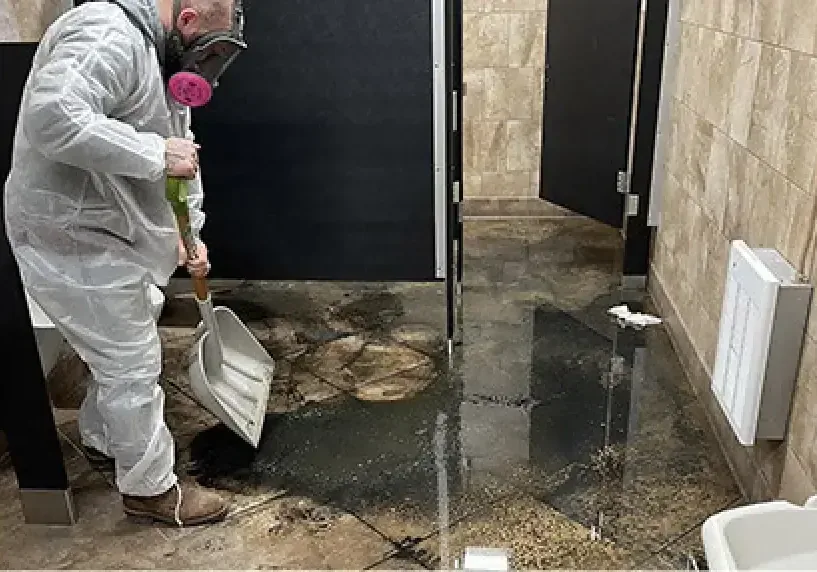
First steps for sewage backup cleanup
- Suspend use of affected drains. Continuing to use connected fixtures can add wastewater to the area. The plumbing professional should determine which fixtures must remain out of use while the cause is assessed.
- Separate people from contacted surfaces. Occupants should keep children, pets and unnecessary traffic outside the affected rooms, including areas where wastewater may have been carried by footwear or moved belongings.
- Describe the backup pattern clearly. The report should identify where water emerged, which fixtures were in use and how far it spread, helping the repair and cleanup professionals organize their respective assessments.
- Preserve records from a clean position. Photos and a list of contacted contents can support the work scope without entering the wastewater. Management should coordinate access where shared rooms or units are involved.
What does sewage backup cleanup cost in West Hollywood, CA?
Sewage backup cleanup in West Hollywood depends on contamination spread, porous materials and the route for controlled removal. These planning ranges reflect increasing cleanup scope. Drain correction, replacement finishes and specialized contents handling should be clearly identified within or outside the written estimate.
For a closer planning number, run the water damage cost calculator. The restoration contractor who responds prices the job after the walkthrough and the moisture map.
How sewage backup cleanup proceeds
- Step 1
Set contamination boundaries
The assessment records source symptoms and the contact footprint, then identifies clean access, affected contents and materials requiring inspection beyond the visibly pooled wastewater.
- Step 2
Remove wastewater and unsuitable materials
Controlled extraction and material handling reduce contamination within the work area, with photographs and scope notes documenting items or finishes that cannot appropriately remain in place.
- Step 3
Clean the retained building surfaces
Appropriate cleaning follows removal, addressing the surfaces selected for retention before the drying environment is established and before unaffected occupants use the work area again.
- Step 4
Measure the remaining drying task
Material readings direct equipment placement and followup adjustments, while the final record identifies completed cleaning, drying outcomes and repairs still needed to restore the affected interior finishes.
A drain backup can leave contamination on surfaces that appear only slightly damp. The cleanup boundary therefore follows contact, including splashes, absorbed water and tracked residue. Establishing that boundary protects unaffected rooms and helps define which contents and building materials need controlled handling before the interior can be restored.
Identify the current drain problem accurately
West Hollywood's major July 2026 flooding near the Sunset Strip came from a public water main break. Water traveled along Palm Avenue toward Santa Monica Boulevard during that event. A sewage backup involves a different source, and the current property record should describe the drain symptoms and wastewater contact observed there.
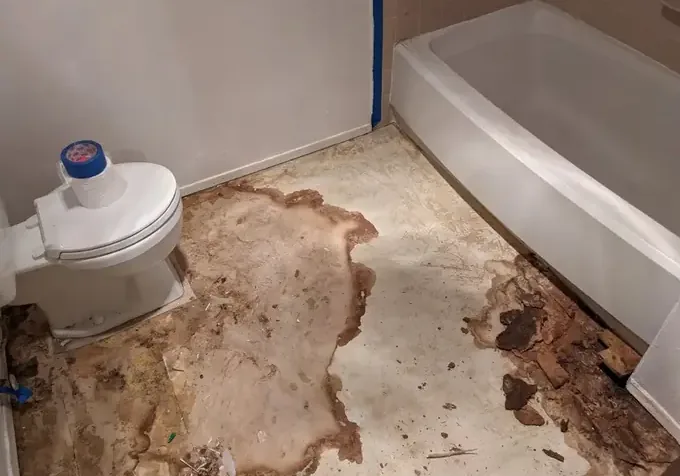
A plumbing professional investigates the drainage failure and the correction needed to stop recurrence from that source. Restoration focuses on the affected interior. The inspection should include absorbent trim, floor coverings and concealed edges where wastewater can remain after the accessible liquid is removed.
Contain handling as well as the water
Debris removal and movement of wet contents need a route that does not carry contamination across occupied space. Toilet overflow cleanup addresses a related bathroom loss when the fixture is involved. Broader drain backup work follows every affected room rather than limiting attention to the nearest opening.
- Identify clean access routes before bags, tools or wet contents are moved.
- Photograph porous materials selected for removal while preserving a clear item record.
- Inspect low cabinet edges and floor transitions contacted by the returning water.
- Keep source repair findings with the cleaning scope and disposal documentation.
Dry the cleaned structure with a defined endpoint
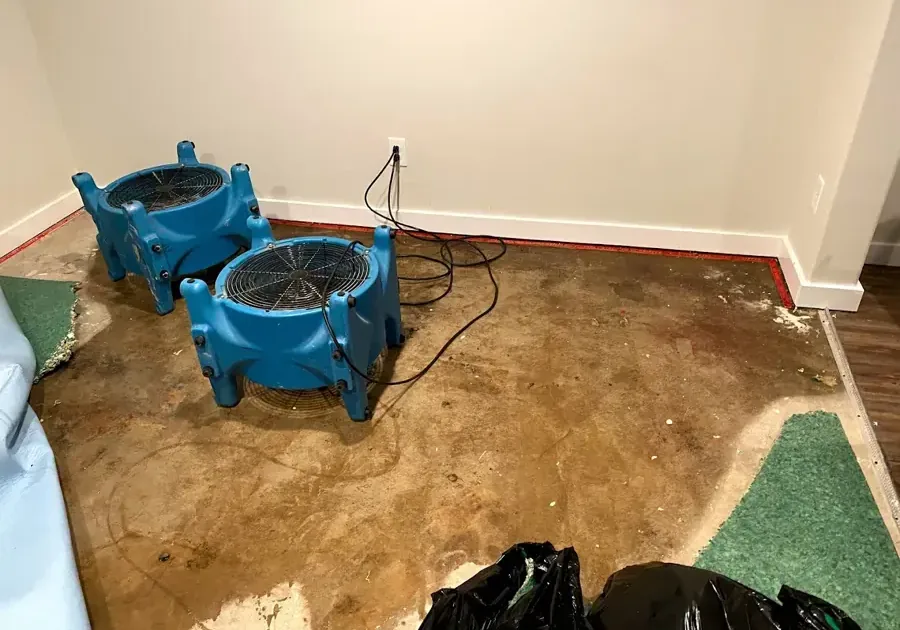
After necessary removal and cleaning, the remaining assembly can be assessed for structural drying. Moisture readings show how retained materials respond. The closeout should explain both the contamination work and the drying outcome so the property contact understands what remains before reconstruction or normal occupancy decisions.
Sewage backup cleanup around West Hollywood
Sewage cleanup requests near the Sunset Strip, Palm Avenue or Santa Monica Boulevard should identify the affected drains and rooms. A property representative can coordinate shared access and help keep clean occupied areas separate from the wastewater footprint.
The same service nearby: sewage backup cleanup in Tarzana, Beverly Hills, Culver City.
Water damage restoration in West Hollywood · every town covered
Related water damage services in West Hollywood
Sewage Backup Cleanup questions in West Hollywood, CA
Does a cleared drain mean cleanup is complete?
Drain clearing addresses the flow problem. Wastewater already inside the building still requires assessment, removal and cleaning, followed by drying of retained materials before the affected rooms return to ordinary use.
Can odor determine which surfaces were contaminated?
The assessment follows water contact and the reported backup path. Odor alone does not define the boundary, so damp edges, splashes and affected contents are considered when determining removal and cleaning requirements.
Should household fans run over the wet area?
Air movement across contaminated water or residue can spread material into unaffected space. The cleaning and containment needs should be established first, with drying equipment arranged after necessary removal and surface cleaning.
Are public water main floods sewage backups?
The documented July main failures released water from public supply infrastructure. Sewage backup work concerns drain wastewater, and the property's actual source must be recorded accurately when planning cleanup and discussing the loss.
Can porous trim or floor coverings remain?
Exposure, material type and condition determine that decision. Some porous materials require removal because their contamination cannot be addressed effectively in place, while retained surfaces need appropriate cleaning and subsequent moisture assessment.
How are shared building areas handled?
Management can coordinate entry and identify occupied routes that need separation. The cleanup plan should define the wastewater footprint and removal path so affected contents and tools do not cross clean common areas unnecessarily.
Return the interior through controlled cleaning and drying
The restoration scope should make material decisions and cleanup boundaries understandable, then document the moisture condition of retained assemblies before replacement finishes conceal them and normal use resumes.
(888) 578-6508Discuss controlled sewage cleanupTarzana Water Damage Restoration
Tarzana, CA and Los Angeles County
(888) 578-6508 · open 24/7
Water and sewage losses only
Find us on Google