Slab Leak Water Damage in West Hollywood
A damp floor edge can raise questions before the source is visible. Plumbing investigation identifies the leak, while restoration maps the water held beneath finishes and inside materials adjoining the affected floor.
(888) 578-6508Discuss moisture beneath the floor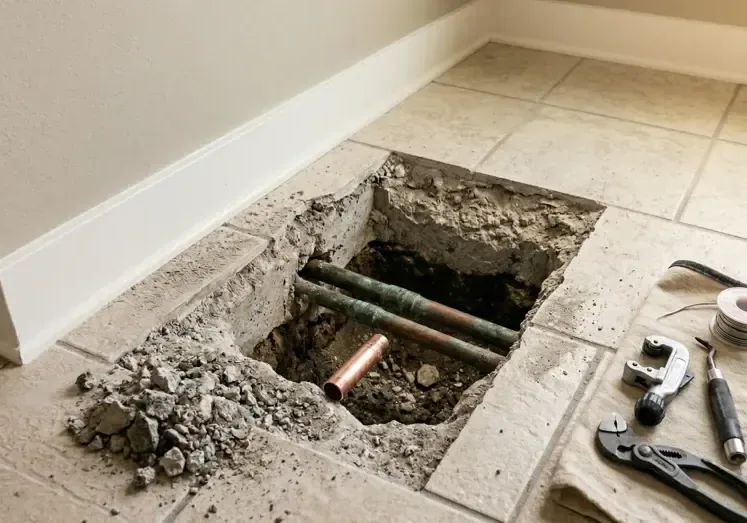
First steps for slab leak water damage
- Describe the recurring symptom. A record of damp trim, changing floor appearance or moisture returning after wiping helps the assessment focus on the area needing source investigation.
- Arrange plumbing diagnosis first. The appropriate repair professional should locate and control the concealed leak. Restoration access can then be coordinated with the openings needed for that work.
- Keep the floor visible. Movable items can be relocated from dry access points so inspection can compare the affected area with adjoining flooring and identify changes at room edges.
- Preserve the findings together. Photos, plumbing notes and moisture measurements should remain connected in the job record so decisions about opening or retaining floor materials have a clear explanation.
What does slab leak water damage cost in West Hollywood, CA?
Slab leak water damage restoration in West Hollywood depends on trapped moisture, flooring layers and the access required to dry them. These figures describe cleanup and drying scopes; leak detection, plumbing repair and replacement floor installation should have clearly identified allowances.
For a closer planning number, run the water damage cost calculator. The restoration contractor who responds prices the job after the walkthrough and the moisture map.
How slab leak water damage proceeds
- Step 1
Map the visible clues
The inspection records damp edges, finish changes and material readings, then relates those observations to the concealed source identified during the plumbing investigation.
- Step 2
Decide which layers need access
Each affected layer is considered for salvage, removal or exposure, with the reason documented before opening finishes solely to reach trapped moisture.
- Step 3
Manage moisture release
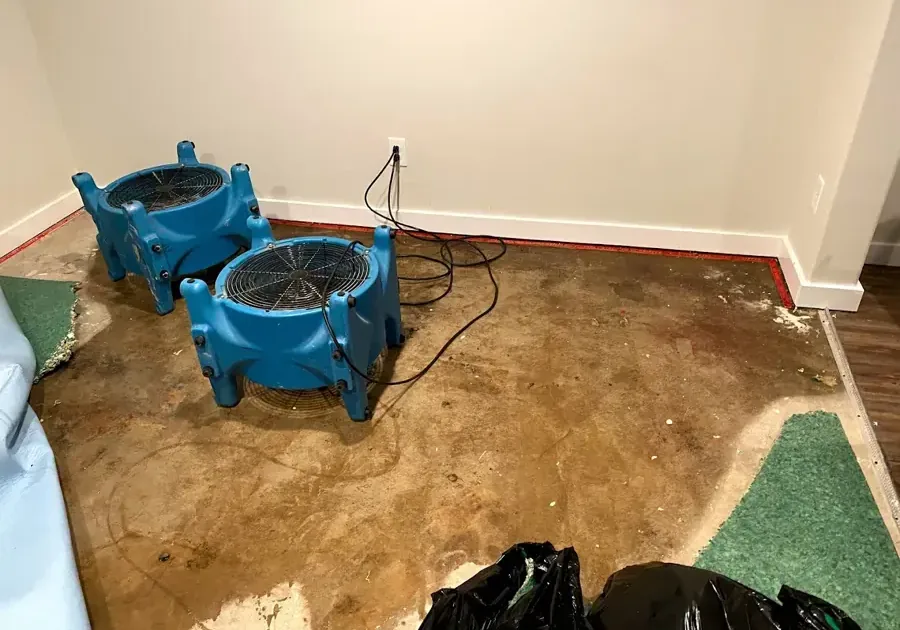
Drying equipment and access work together to remove retained water from the remaining materials, with repeated measurements showing whether the approach needs adjustment.
- Step 4
Confirm readiness for reconstruction
The drying record identifies the final condition and remaining repair needs, allowing the flooring installer to assess the substrate against the requirements of replacement materials.
A floor can look nearly normal while its edges show persistent dampness. The useful question is where that moisture originates and which layers it has reached. For a suspected slab leak in West Hollywood, a property inspection connects the plumbing investigation with the restoration of the wet interior.
Let the affected assembly determine access
Norma Triangle is a residential neighborhood within a city characterized by small lots and mixed land use. Those surroundings make a clear work area valuable. Before opening a floor, the assessment should establish the affected boundary, contents handling needs and the route for debris removal.
The floor finish, adhesive or underlayment and supporting material need separate consideration. Water trapped under a relatively dry surface may require access that surface airflow cannot provide. A reasoned removal decision records what is wet, what is damaged and what can realistically dry in place.
Keep diagnosis connected to restoration
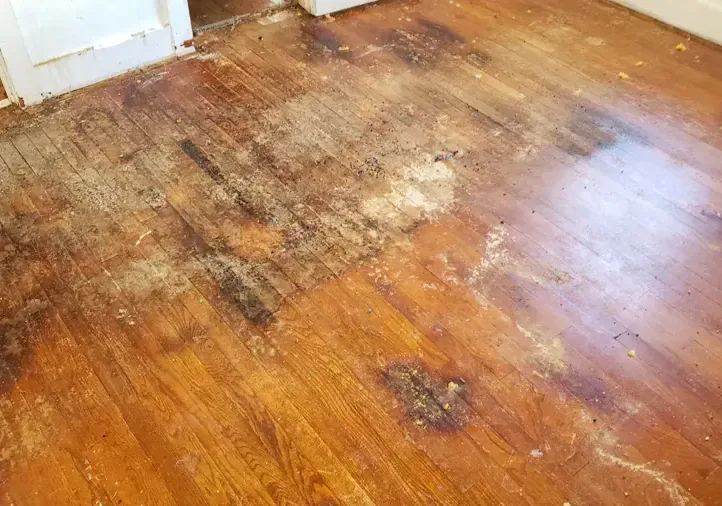
A plumbing professional identifies and repairs the concealed source. Restoration then addresses the moisture already released. Where boards are involved, hardwood floor assessment can help distinguish visible distortion from the condition of the layers below the finished surface.
- Mark damp edges before moving furniture away from the suspected wet area.
- Compare measurements in affected flooring with suitable dry reference material.
- Include nearby wall bases when moisture reaches the room perimeter.
- Record newly exposed layers as repair access reveals the hidden damage.
A measured endpoint before replacement finishes
Properties near Melrose Avenue and Robertson Boulevard need a drying plan matched to their actual interiors. Structural drying continues until the affected materials meet established goals. Replacement flooring should follow that assessment and its installation requirements rather than a visual judgment about the surface alone.
Slab leak water damage around West Hollywood
Slab leak damage assessments can be arranged for properties in Norma Triangle and along Melrose Avenue or Robertson Boulevard. The discussion should identify the affected finish, known plumbing findings and access available to the wet floor edges.
The same service nearby: slab leak water damage in Tarzana, Beverly Hills, Culver City.
Water damage restoration in West Hollywood · every town covered
Related water damage services in West Hollywood
Slab Leak Water Damage questions in West Hollywood, CA
Does damp flooring identify a slab leak?
Dampness identifies an area needing investigation. A plumbing assessment establishes the source, while restoration measurements show which materials are wet and how far the moisture has spread beyond the visible symptom.
Must the entire floor be removed?
The decision depends on material condition, contamination, installation and access to trapped moisture. The scope should explain why a particular section can remain or needs removal rather than treating every floor identically.
Can floor edges be wet without a puddle?
Moisture can remain beneath finishes or within adjacent materials without pooling on top. Measurements around edges and adjoining walls help define that hidden wetting and direct the next inspection or drying step.
Who repairs the concealed plumbing?
The source repair belongs with the appropriate plumbing professional. Restoration addresses the resulting wet materials, and coordination between those tasks can reduce unnecessary obstruction of the repair opening or drying access.
When can replacement flooring be installed?
Installation follows completion of the moisture assessment and drying work. The substrate must also satisfy the replacement product's requirements, which the flooring professional should evaluate before covering the affected assembly again.
What helps document a concealed loss?
Photos of symptoms and opened layers, source repair findings and repeated material readings provide a useful record. Together they explain why access was needed and how the remaining structure responded to drying.
Resolve the wet layers before covering them again
A coordinated plan connects source repair with floor and wall drying, then records the condition of the remaining materials before new finishes hide the affected area.
(888) 578-6508Discuss the floor moisture findingsTarzana Water Damage Restoration
Tarzana, CA and Los Angeles County
(888) 578-6508 · open 24/7
Water and sewage losses only
Find us on Google