Slab Leak Water Damage in Culver City
A damp floor edge needs more than a new strip of trim. Slab leak cleanup connects the located plumbing problem with moisture in the floor assembly, then establishes which layers need drying access.
(888) 578-6508Discuss moisture beneath the finish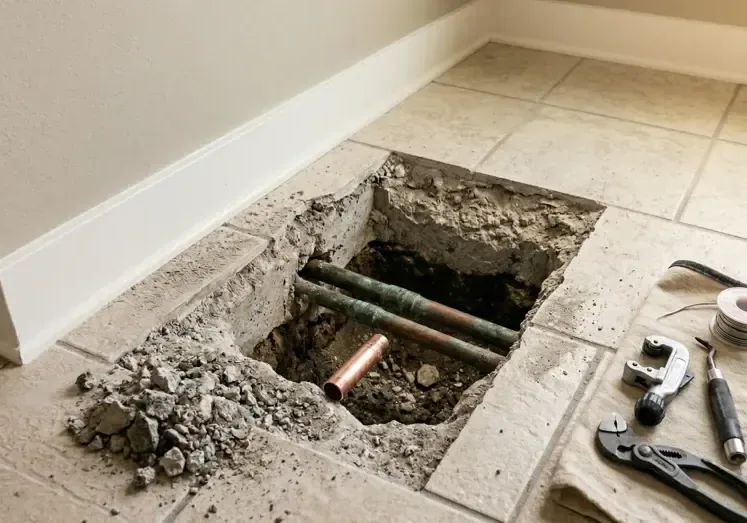
First steps for slab leak water damage
- Record recurring dampness. Note which joints or wall edges become wet again after wiping. Photographs of those recurring patches help distinguish the moisture pattern from a single surface spill.
- Arrange source location. A plumbing investigation identifies the leak and the access needed for repair. Avoid making exploratory floor openings without knowing what services or materials lie below.
- Keep loading off damage. Avoid placing heavy furniture on loose or swollen flooring. Protect access to the affected edge so the inspection can assess both the finish and nearby trim.
- Retain material information. If flooring records are available, keep them with the repair paperwork. Finish type and installation details can help explain what needs to dry before replacement begins.
What does slab leak water damage cost in Culver City, CA?
Slab leak water damage restoration in Culver City has planning ranges from $1,200 to $6,500. Wet layers, floor access and drying restrictions drive the scope. Leak detection, pipe repair and new flooring installation should be distinguished from mitigation in the written estimate.
For a closer planning number, run the water damage cost calculator. The restoration contractor who responds prices the job after the walkthrough and the moisture map.
How slab leak water damage proceeds
- Step 1
Connect source and pattern
The assessment records the located leak and measures the surrounding floor. This establishes whether moisture extends into wall bases or neighboring areas outside the repair opening.
- Step 2
Assess the covering
Finish condition and access determine what can remain. Damaged layers or surfaces trapping moisture are identified before the drying equipment is selected and positioned.
- Step 3
Dry the exposed assembly
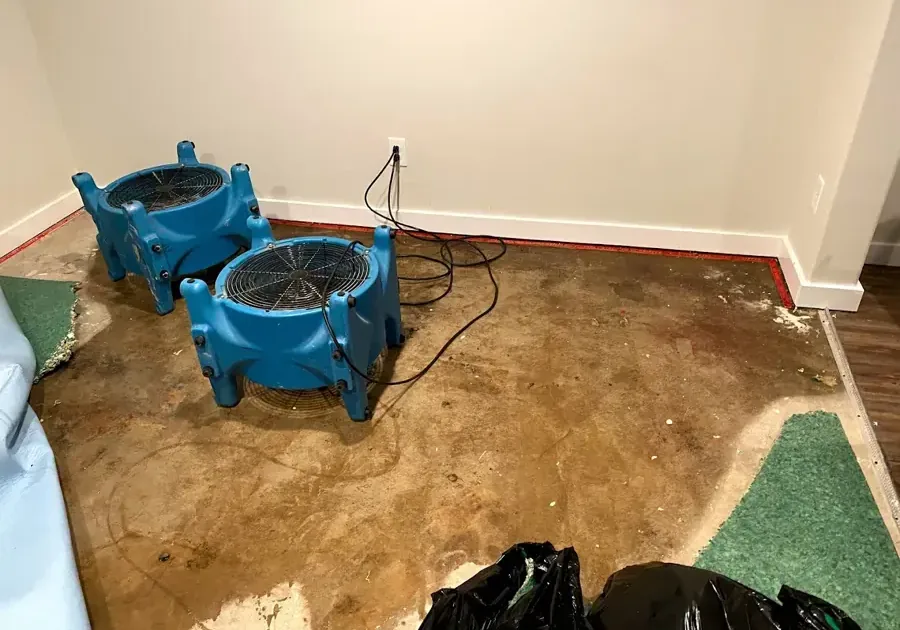
Humidity control and suitable airflow support moisture release from accessible materials. Progress is checked at representative locations instead of relying on an unchanged equipment arrangement.
- Step 4
Establish installation readiness
The remaining substrate is measured and its condition documented. Repair planning then considers the requirements of the replacement finish before the affected area is covered.
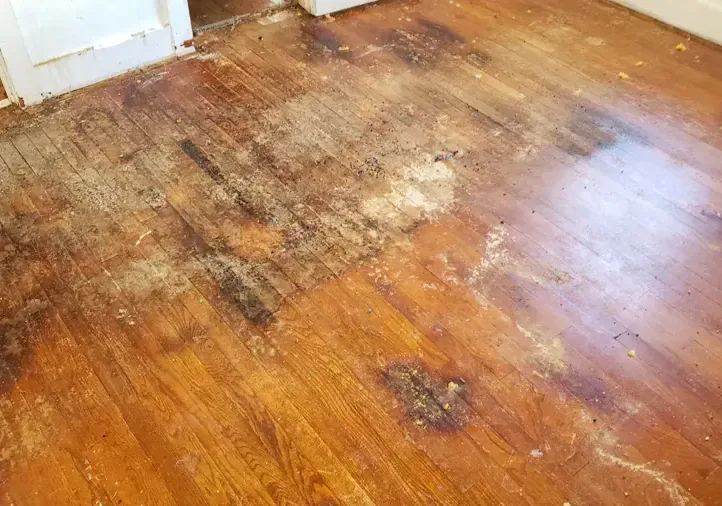
Flooring can reveal a below floor leak through loose adhesive, darkened joints or recurring dampness along a wall. A Culver City assessment first establishes the source and the floor assembly involved. Opening finishes without that information can leave the actual entry active while adding unnecessary repair work.
Locate the source before choosing the opening
Blanco-Culver Crest and Studio Village provide useful location details when arranging an inspection. Inside either property, leak detection and construction checks establish where access is needed. A wet patch can extend beyond the plumbing repair opening, so restoration measurements should continue outward through the affected room.
The Northgate public water project installed PVC mains. A building's own below floor pipe and substrate require direct inspection when leakage appears indoors. The cleanup plan starts with the repaired source and follows moisture across the materials above and alongside it.
Read the layers beneath the finish
A decorative surface may dry ahead of underlayment or concrete beneath it. Adhesive condition, board swelling and accessible substrate readings help decide whether finishes can remain. Tight coverings sometimes prevent effective moisture release and must be considered when planning selective removal.
- Mark persistent dampness near walls separately from the plumbing access opening.
- Check cabinets where their bases conceal the edge of the floor.
- Record the condition of adhesive exposed beneath removed finish materials.
- Keep removed material locations connected to the room measurement record.
Prepare the floor for its next covering
Structural drying can address exposed building materials once the source has been controlled. The drying setup should reflect the actual assembly, including any remaining finish that restricts airflow or inspection access.
Where boards are involved, hardwood floor cleanup considers the wood and the material beneath it together. Replacement proceeds from suitable substrate conditions, with installation requirements addressed before new finishes cover the repair area.
Slab leak water damage around Culver City
For properties in Blanco-Culver Crest, Studio Village and Park West, report the affected flooring and plumbing investigation status. Any existing access opening, loose finish or damp cabinet base can help define the next assessment of the assembly.
The same service nearby: slab leak water damage in Tarzana, Beverly Hills, West Hollywood.
Water damage restoration in Culver City · every town covered
Related water damage services in Culver City
Slab Leak Water Damage questions in Culver City, CA
Does a damp floor always mean a slab leak?
Several sources can wet flooring, including appliances and water moving from adjacent rooms. Source investigation is necessary before choosing plumbing access or treating the affected area as a below floor pipe failure.
Is the plumbing opening the whole cleanup area?
Often the wet footprint extends beyond it. Water can collect beneath a covering and affect wall bases, so restoration measurements should continue beyond the opening used to reach and repair the pipe.
Can the existing floor covering stay installed?
That depends on damage, moisture access and the assembly beneath it. A covering that blocks needed drying or has lost adhesion may require removal even when its top surface appears usable.
Why measure concrete after the surface looks dry?
The upper surface can lose moisture while deeper or covered sections remain damp. Suitable measurements help determine whether the substrate can receive a new finish without trapping moisture underneath the installation.
Does pipe repair include drying the room?
Plumbing work addresses the failed source. The restoration scope addresses affected materials and remaining moisture, so both tasks need clear boundaries and records when different contractors handle the repair and cleanup.
What information helps plan the visit?
Describe recurring wet patches, the floor covering and any completed leak detection. Mention the condition of nearby cabinets or baseboards, since their contact with the floor can reveal another area needing inspection.
Give the substrate proper attention
Arrange a cleanup scope that follows the moisture beneath the visible finish. Drying access and installation readiness belong in the plan before a replacement floor closes the affected area.
(888) 578-6508Discuss substrate drying accessTarzana Water Damage Restoration
Tarzana, CA and Los Angeles County
(888) 578-6508 · open 24/7
Water and sewage losses only
Find us on Google