Slab Leak Water Damage in Beverly Hills
A damp floor edge can be the visible end of a concealed plumbing problem. Source location comes before a lasting drying plan, especially when moisture returns after the surface has been wiped clear.
(888) 578-6508Discuss moisture beneath the flooring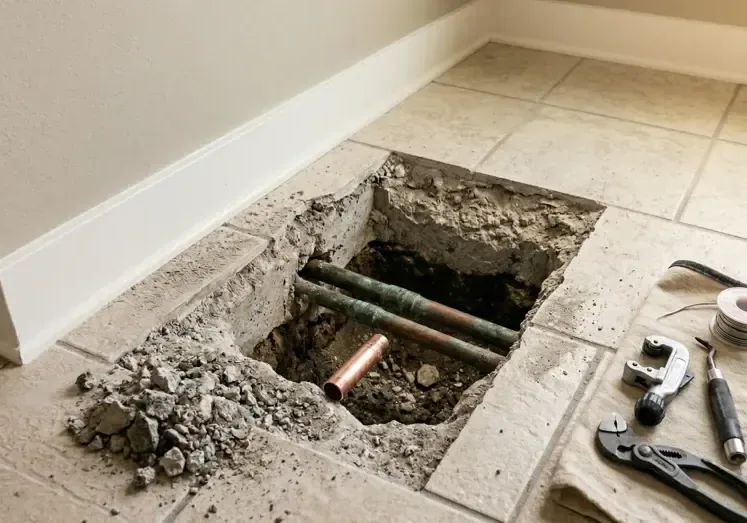
First steps for slab leak water damage
- Describe the recurring signs. Tell the assessor where dampness reappears, which floor edges are involved and whether a plumbing diagnosis has already identified the concealed source of water.
- Coordinate the plumbing investigation. Allow the plumbing professional to determine the leak location and repair approach before decisions about floor openings or equipment placement restrict the necessary access.
- Document the affected finish. Photograph lifting edges, discoloration and wet trim while keeping removed pieces available for damage documentation when they can be handled and stored safely.
- Discuss replacement readiness. Ask how the substrate will be checked after drying and what additional preparation may be necessary before new flooring or repaired finishes are installed.
What does slab leak water damage cost in Beverly Hills, CA?
Slab leak damage cleanup in Beverly Hills is budgeted from $1,200 to $6,500 across these scenarios. The affected layers, trapped moisture and access requirements drive the cleanup estimate; locating and repairing concealed plumbing should be clearly identified as a separate scope.
For a closer planning number, run the water damage cost calculator. The restoration contractor who responds prices the job after the walkthrough and the moisture map.
How slab leak water damage proceeds
- Step 1
Establish the source status
Plumbing findings clarify whether water remains active and which access openings are planned, allowing the cleanup assessment to distinguish ongoing leakage from residual saturation.
- Step 2
Map floor layer involvement
Measurements and visible changes identify wet finish materials and connected wall bases, with inspection extending beyond the spot where moisture first became noticeable.
- Step 3
Create effective drying access
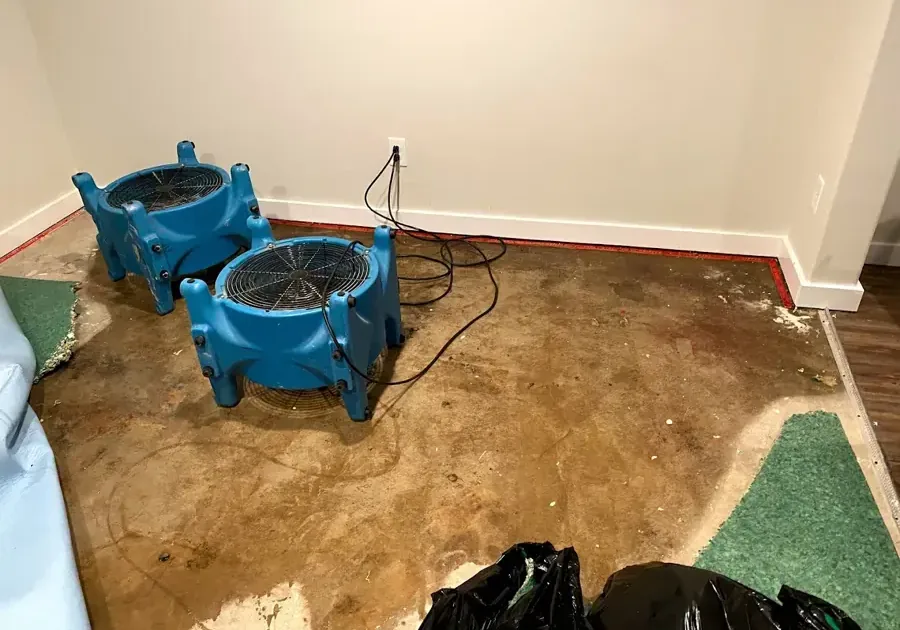
Selected coverings or damaged materials are removed where necessary, giving equipment a useful path to the substrate and avoiding unnecessary treatment of dry areas.
- Step 4
Assess the prepared substrate
Final readings and material condition determine whether drying is complete and whether the floor needs further preparation before finish work can reasonably begin.
Moisture appearing through a floor deserves investigation before the finish is replaced. A concealed supply leak is one possible cause, and a plumbing professional needs to locate the source. In Beverly Hills, the cleanup scope should follow the damaged materials once that diagnosis explains the continuing wetting.
Recurring moisture is a reason to trace the source
Removing a damp rug may reveal a larger affected surface underneath. Record where moisture returns, whether neighboring wall bases feel damp and what changed after the water supply was isolated. Those observations help the plumbing and restoration assessments focus on the same problem.
The Flats lies north of Santa Monica Boulevard, while Trousdale Estates includes large houses. A property in either setting needs its own floor inspection. Near La Cienega Park, access arrangements are likewise based on the actual building and the rooms showing moisture.
Different layers hold water differently
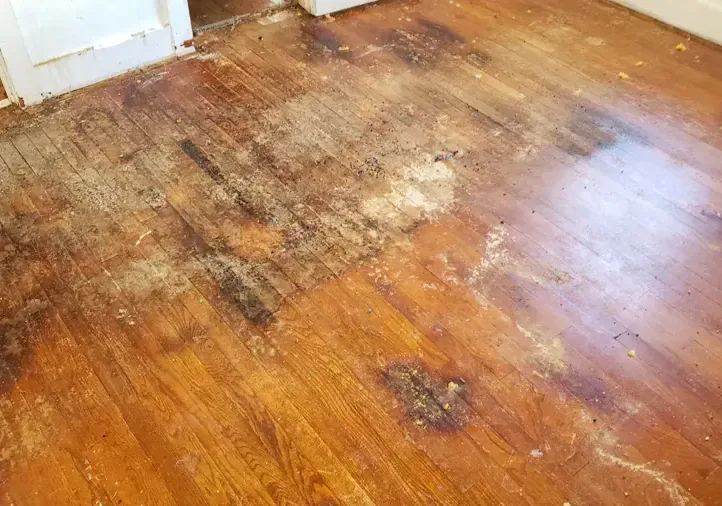
The decorative surface, adhesive, underlay and structural substrate may respond differently to wetting. Some layers block useful drying access to others. The floor damage assessment explains why surface appearance alone cannot settle a retention decision for wood finishes.
- Record recurring damp areas before changing the room arrangement.
- Keep plumbing diagnosis separate from assumptions about the floor finish.
- Discuss selective access where coverings prevent useful moisture measurements.
- Delay replacement until the exposed substrate is ready for installation.
Coordinate access with the repair plan
Source repair may require openings that also reveal wet materials. Sharing that access plan can reduce repeated disruption, but the damage assessment still needs to check beyond the repair location. Water may have spread laterally beneath a continuous floor covering.
A material drying plan should identify which layers remain, where readings will be taken and how progress affects replacement timing. The endpoint is a suitable substrate for the planned finish, supported by measurements rather than a calendar estimate.
Slab leak water damage around Beverly Hills
Concealed leak damage assessments are available for affected interiors throughout the city. Explain where moisture appears and who is handling source diagnosis so the inspection can coordinate floor access with the planned plumbing work.
The same service nearby: slab leak water damage in Tarzana, West Hollywood, Culver City.
Water damage restoration in Beverly Hills · every town covered
Related water damage services in Beverly Hills
Slab Leak Water Damage questions in Beverly Hills, CA
Does a damp floor establish a slab leak?
No. The source needs diagnosis because several conditions can produce floor moisture. A plumbing assessment identifies a concealed supply problem, while restoration inspection documents the materials affected by the water.
Can drying begin before the plumbing repair?
Accessible water may need removal promptly, but a stable dry-out requires control of continuing leakage. Coordinate the source repair with the cleanup plan so new water does not repeatedly wet treated areas.
Must the entire floor covering come up?
The decision depends on the wet boundaries, material damage and drying access. Selective removal may suit some losses, while widespread trapped moisture or damaged layers can require a larger opening.
Why check the lower wall beside the floor?
Water beneath a covering can reach trim and wall components. Checking those edges helps identify connected wet materials that could otherwise remain damp after attention has focused only on the flooring.
What should a substrate drying record contain?
It should show the locations checked, changes in readings and the condition used to decide that the remaining material is ready. Installation requirements for the replacement finish also need consideration.
Can a repair opening stay accessible during drying?
Coordinated access may be useful when the opening exposes wet materials. The area needs protection from occupants and debris, with closure scheduled after the relevant plumbing and moisture conditions have been addressed.
Connect source repair with substrate drying
A coordinated scope can identify which layers need access and what condition should be reached before replacement. Discuss the visible changes and the source investigation together.
(888) 578-6508Plan the substrate assessmentTarzana Water Damage Restoration
Tarzana, CA and Los Angeles County
(888) 578-6508 · open 24/7
Water and sewage losses only
Find us on Google