Beverly Hills Storm Flood Cleanup
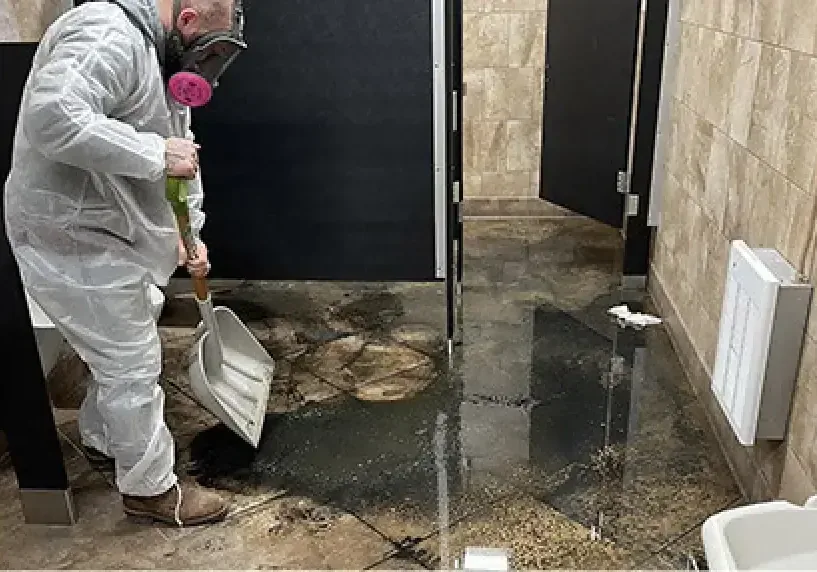
Water arriving from outside can carry sediment across a floor and into porous finishes. Storm cleanup establishes safe entry, separates contaminated areas and removes deposits before deciding which building materials can remain for drying.
(888) 578-6508Discuss outdoor water entry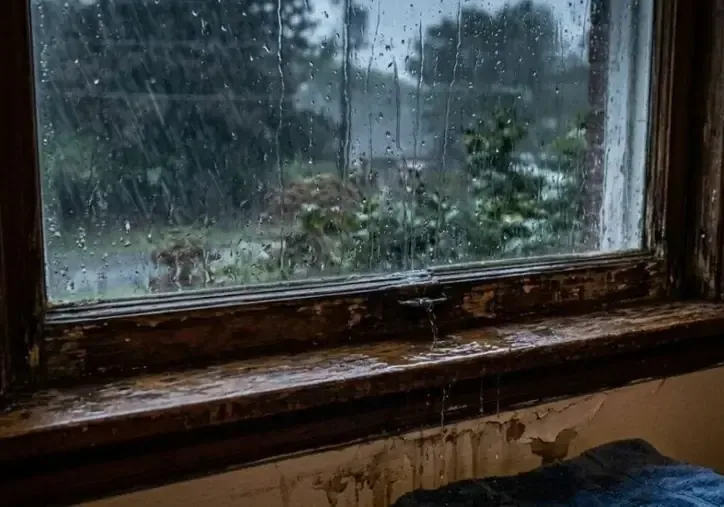
First steps for storm flood cleanup
- Wait for a safe route. Avoid entering moving water or rooms with electrical concerns, and describe any blocked access before attempting to photograph the interior or recover wet belongings.
- Identify the entry opening. From a safe position, note where outdoor water crossed into the building and whether additional drains or rooms became involved during the same event.
- Separate affected possessions. Keep items touched by outdoor water apart from clean contents and record their condition before safe handling, disposal or movement changes the original scene.
- Discuss contamination before drying. Explain visible mud, odors or wastewater so the assessment can address removal and cleaning requirements before ordinary drying equipment is placed in the room.
What does storm flood cleanup cost in Beverly Hills, CA?
Storm flood cleanup in Beverly Hills is planned from $2,000 to $10,000 for these scenarios. Contamination, the number of affected rooms, debris and removal needs influence the estimate, with finish replacement and exterior drainage changes addressed separately.
For a closer planning number, run the water damage cost calculator. The restoration contractor who responds prices the job after the walkthrough and the moisture map.
How storm flood cleanup proceeds
- Step 1
Establish the exposure boundary
The inspection records entry paths, water marks and affected contents, identifying which spaces need separation from dry rooms before water collection and debris handling begin.
- Step 2
Collect water and residues
Removal addresses standing water and sediment with suitable handling arrangements, preserving documentation of affected materials while preparing the interior for closer condition assessment.
- Step 3
Clean retained surfaces
Material decisions precede detailed cleaning so contamination is not left hidden beneath finishes that cannot be treated effectively or that remain physically damaged.
- Step 4
Dry the prepared structure
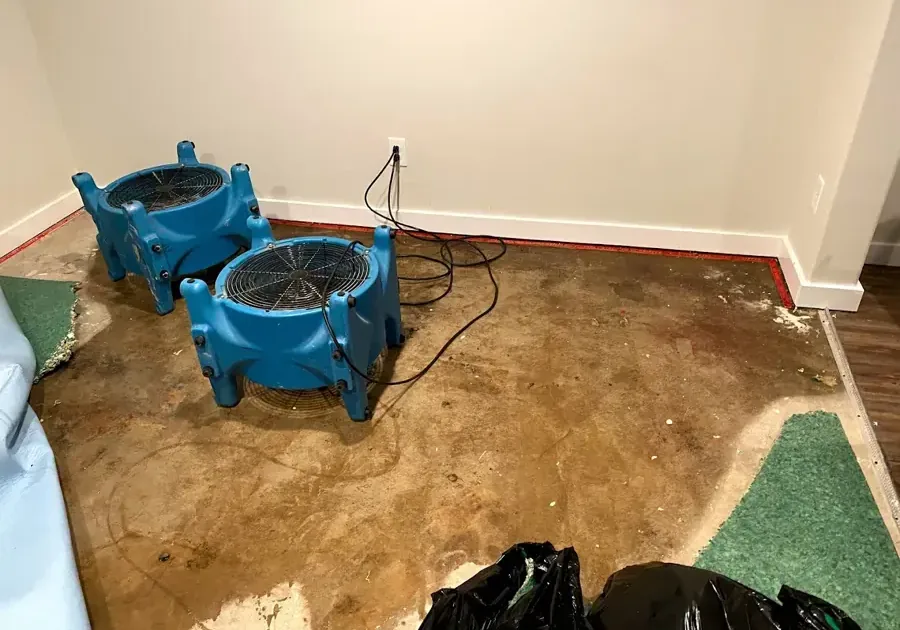
Equipment targets retained wet assemblies after cleanup, with readings used to adjust the setup and determine when the property is ready for the next repair stage.
Muddy water at an entrance calls for a different cleanup discussion from a leaking supply valve. Beverly Hills is part of the Ballona Creek Watershed, which drains to Santa Monica Bay. Water in city storm drains is untreated, making controlled collection and disposal part of the interior cleanup plan.
Storm drainage and sanitary sewage have different routes
The municipal sewer system sends sewage for treatment at the Hyperion Treatment Plant. That differs from storm drainage. Indoors, the assessor still needs to identify what entered the property and what it contacted before selecting removal, cleaning and material retention methods.
La Cienega Park anchors the South East area, while the Golden Triangle is bounded by Santa Monica Boulevard, Wilshire Boulevard and Crescent Drive. At an affected property, the actual entry opening and water marks determine the scope, including adjoining spaces reached through thresholds.
Porous materials require an exposure decision
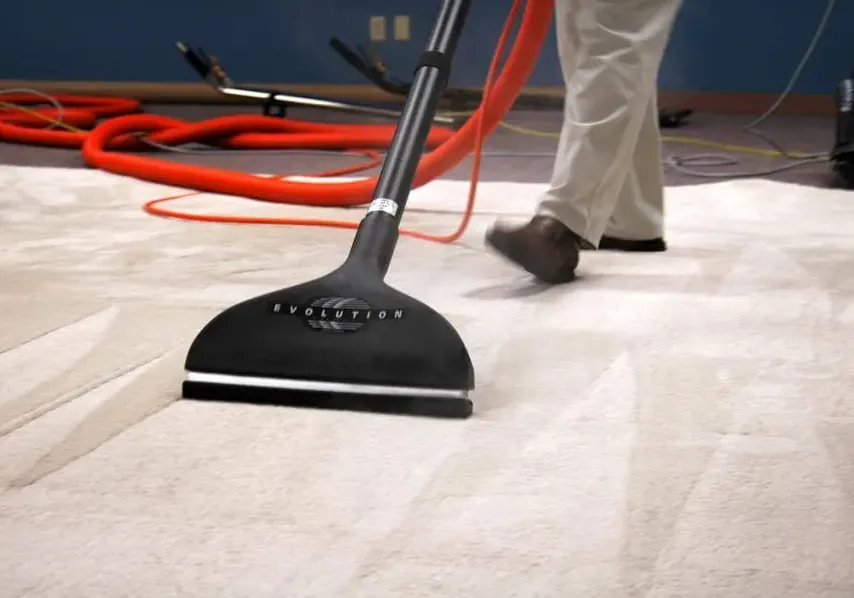
A carpet may release visible water while retaining outdoor contamination underneath. Material type, contact and physical damage determine what can be cleaned and what needs disposal. Water extraction is one component of this broader process, not a substitute for dealing with sediment and affected finishes.
- Photograph the entry route and water marks before cleanup changes them.
- Keep clean possessions outside the affected traffic path and work area.
- Tell the assessor about drains overflowing alongside the outdoor entry.
- Plan disposal without sending contaminated water into street drainage.
Drying follows a prepared interior
Wet debris and contaminated porous material can obstruct effective cleaning. Removal and surface treatment should leave retained assemblies accessible for moisture assessment. Air movement should not begin by spreading dirty water droplets or residues into otherwise clean rooms.
The town restoration overview explains related damage services. A storm cleanup scope should record the affected boundaries, removed materials and drying endpoint, giving the property contact a clear account before replacement finishes are considered.
Storm flood cleanup around Beverly Hills
Storm entry assessments focus on the affected property and its safe access conditions. Provide the entrance location, the rooms reached and any simultaneous drain overflow so the cleanup plan reflects the full exposure pattern.
The same service nearby: storm flood cleanup in Tarzana, West Hollywood, Culver City.
Water damage restoration in Beverly Hills · every town covered
Related water damage services in Beverly Hills
Storm Flood Cleanup questions in Beverly Hills, CA
Is clear looking outdoor water clean?
Outdoor water may pick up contaminants before crossing the threshold. Its route, exposure and contact with interior materials determine the handling, cleaning and disposal methods selected during the initial cleanup assessment.
Can soaked carpet simply be extracted?
Extraction removes water but does not settle contamination or backing damage. Outdoor exposure may require removal of porous layers, followed by cleaning and drying of the retained substrate beneath them.
Are street drains connected to sewage treatment?
City storm drain water is untreated. The sanitary sewer system carries sewage for treatment separately, so cleanup water and debris need appropriate disposal rather than being discharged into a street drain.
What if a toilet backed up during rain?
Tell the assessor about both conditions. The source and extent of wastewater exposure need attention alongside outdoor entry, and the city requests immediate reporting of sewer backups on properties.
Should doors stay open throughout drying?
Drying setup depends on indoor and outdoor conditions after cleanup. Uncontrolled outside air may interfere with humidity management, so door use should follow the equipment plan and safe access requirements.
When can belongings return to the affected room?
The room needs suitable cleanup and moisture conditions, and the items themselves need assessment. Returning damp or contaminated contents too early can interfere with drying and reintroduce residues to cleaned surfaces.
Restore a clean starting point for drying
A clear scope connects the entry route with affected materials, disposal and retained structure. Arrange an assessment of the room boundaries before replacement decisions are made.
(888) 578-6508Discuss the flood cleanup boundaryTarzana Water Damage Restoration
Tarzana, CA and Los Angeles County
(888) 578-6508 · open 24/7
Water and sewage losses only
Find us on Google