Storm Flood Cleanup in Culver City
Water entering from outdoors carries the conditions of everything it crossed. Storm cleanup begins with safe access and the entry path, then separates sediment removal, affected contents and material drying into a workable interior scope.
(888) 578-6508Discuss runoff inside the property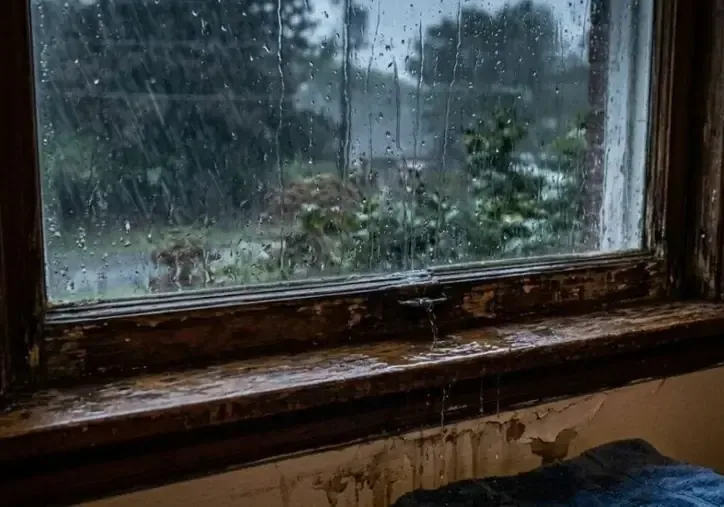
First steps for storm flood cleanup
- Stay outside moving water. Avoid crossing outdoor flow to reach the building. Entry should wait until access, electrical conditions and the stability of affected surfaces can be assessed safely.
- Mark the indoor boundary. From a dry position, photograph where water or sediment reached. Include doorways and low wall edges that show how the flow moved through the interior.
- Separate untouched contents. Keep belongings that remained dry away from wet debris and contaminated floor coverings. Avoid moving soaked objects through clean rooms without a planned handling route.
- Report entry details. Describe the opening, visible debris and any ongoing flow. The assessment needs those conditions to choose water removal methods and the first cleanup boundaries.
What does storm flood cleanup cost in Culver City, CA?
Storm flood cleanup in Culver City has planning ranges from $2,000 to $10,000. Sediment, contaminated finishes, interior spread and disposal needs affect the estimate. The scope should identify cleanup boundaries and drying work separately from exterior drainage repairs or reconstruction.
For a closer planning number, run the water damage cost calculator. The restoration contractor who responds prices the job after the walkthrough and the moisture map.
How storm flood cleanup proceeds
- Step 1
Assess safe entry
The inspection considers ongoing water movement, power conditions and debris. Work boundaries and access routes are established before collection equipment enters the affected interior.
- Step 2
Remove water and deposits
Accessible water is collected and sediment is addressed under controlled conditions. Contents handling keeps wet items separated from unaffected surfaces and dry storage areas.
- Step 3
Resolve material contact
Porous finishes and concealed layers are evaluated for cleaning or removal. The scope follows the water footprint so contamination is addressed before drying dominates the work.
- Step 4
Dry the remaining structure
Suitable materials receive controlled airflow and moisture tracking. Records identify the inspected boundaries and the condition of surfaces that will later receive replacement finishes.
A wet doorway after heavy rain raises different questions from an overflowing sink. In Culver City, the inspection should establish where outdoor water entered, what it carried and how far it spread. Sediment under furniture or along a wall can remain after the visible pool recedes.
Read the entry and the indoor footprint
Ballona Creek runs northeast to southwest through the city. At an affected property, the useful starting point is the actual threshold, opening or surface through which water arrived. That location connects outdoor conditions with the room sequence and the materials exposed inside.
The storm drain replacement at Jefferson Boulevard and Hetzler Road increased drainage capacity. Building cleanup still requires its own inspection of entry, debris and interior contact. Photos taken from safe ground can preserve the visible water boundary before extraction and cleaning change the room.
Separate removal from drying
Outdoor water can leave material behind as it drains away. Cleanup therefore includes accessible sediment and affected belongings, with decisions about absorbent finishes based on contamination and condition. Air movement begins as part of a controlled plan after those concerns are addressed.
- Keep a clean route separate from the water affected interior.
- Document debris deposits along wall edges and beneath movable contents.
- Identify porous finishes that cannot receive effective cleaning in place.
- Check floor cavities reached through gaps, joints or open penetrations.
Build the recovery around the exposed materials
Water extraction collects accessible liquid, while the wider cleanup scope handles what that liquid left behind. A property in Park East may need contents separation before equipment can reach the affected floor.
Once cleaning and selective removal establish suitable access, structural drying targets moisture retained in the remaining assembly. The completion record should identify both the cleaned boundaries and the locations checked before rebuilding covers the surfaces again.
Storm flood cleanup around Culver City
Storm cleanup assessments include properties in Park East, Culver West and Jefferson. Describe the entry opening, debris conditions and available dry access so the work can be planned around the actual affected interior and its remaining occupants.
The same service nearby: storm flood cleanup in Tarzana, Beverly Hills, West Hollywood.
Water damage restoration in Culver City · every town covered
Related water damage services in Culver City
Storm Flood Cleanup questions in Culver City, CA
Is clear outdoor water safe to handle?
Appearance does not identify everything the water contacted before entry. The cleanup assessment considers its route, debris and affected materials, with protective handling planned before occupants move contents or begin wiping floors.
Can ordinary fans start drying immediately?
Uncontrolled airflow can disturb contamination before cleaning and removal are complete. Equipment should be positioned as part of the cleanup plan, after the source conditions and affected surfaces have been evaluated for safe handling.
Why remove sediment after the water is gone?
Sediment can remain in floor joints, beneath contents and against walls. Removing accessible liquid leaves those deposits behind, so the cleanup needs to address contact surfaces before replacement materials or furnishings return.
Will flooded carpet remain usable after extraction?
Outdoor water exposure changes the assessment of carpet and padding. Condition and contamination determine whether those absorbent layers can remain; extraction alone does not resolve the cleaning problem inside their backing or underlayer.
Does a creek nearby change the indoor scope?
The indoor scope follows the water that actually entered and the surfaces it reached. Entry observations, sediment and material measurements provide the practical information needed to plan cleanup at the affected property.
What records help after outdoor water entry?
Safe photographs of the entry point, debris and affected contents are useful. Keep those images with disposal notes, cleanup records and drying measurements so the condition before and after the work remains understandable.
Recover the interior after outdoor entry
Arrange a scope that accounts for debris as well as water. Clear contact boundaries help connect extraction, contents decisions and material drying before the room receives new finishes.
(888) 578-6508Discuss storm cleanup boundariesTarzana Water Damage Restoration
Tarzana, CA and Los Angeles County
(888) 578-6508 · open 24/7
Water and sewage losses only
Find us on Google