Commercial Water Damage in Calabasas
A wet business interior raises questions about access, stock and usable rooms at once. Calabasas commercial cleanup establishes the affected boundary, coordinates the responsible contacts and plans water removal and drying around the actual conditions inside the premises.
(888) 578-6508Discuss the affected business interior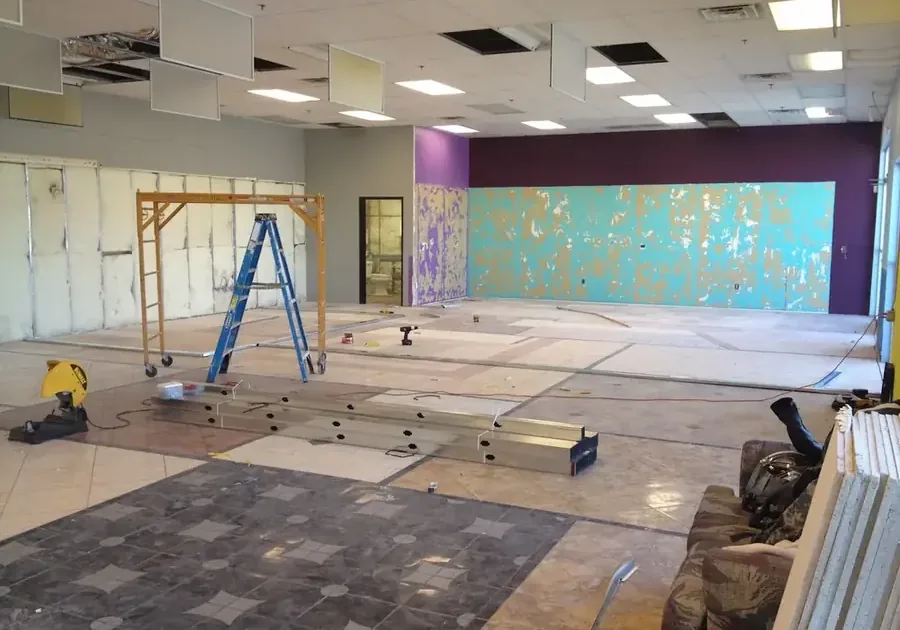
First steps for commercial water damage
- Identify decision makers. Business and property contacts should clarify who authorizes source repair, contents movement and opening wet finishes before restoration changes the interior or equipment layout.
- Separate affected rooms from routine traffic. Employees and visitors should remain outside unsafe wet areas while the inspection defines usable space, equipment routes and any access restrictions needed around the damaged interior.
- Record stock and equipment concerns. Water touched inventory, documents and powered equipment need individual handling decisions. Their locations should be documented before movement so the cleanup scope preserves a clear account of affected business contents.
- Share operating and entry requirements. Access hours, delivery routes and sensitive work areas help shape the restoration layout, allowing removal and drying to be coordinated with approved activities in unaffected parts of the premises.
What does commercial water damage cost in Calabasas, CA?
Commercial cleanup in Calabasas varies with occupied area restrictions, damaged contents and the extent of wet building assemblies. The ranges reflect interior restoration scopes. Source repair, specialist equipment work and rebuilding should be itemized separately where they fall outside removal, cleaning and monitored drying.
For a closer planning number, run the water damage cost calculator. The restoration contractor who responds prices the job after the walkthrough and the moisture map.
How commercial water damage proceeds
- Step 1
Establish the business damage scope
The assessment records affected rooms, source status and contents concerns, then coordinates authorized access before equipment or removal work changes the business interior layout.
- Step 2
Organize removal around protected routes
Water collection and damaged material handling use the defined work boundary, preserving clean access and separating exposed inventory or debris from usable portions of the occupied business premises.
- Step 3
Monitor affected business spaces
Material measurements follow partitions and floors. Equipment placement adapts to access restrictions and concealed moisture as business room conditions change.
- Step 4
Provide an operational handoff
Drying results and outstanding repairs help business and property contacts coordinate room use, contents return and restoration trades with shared information about the affected spaces.
A water loss in a business needs a room level plan before equipment fills the interior. The assessment should identify wet building materials, affected stock and the routes employees or visitors normally use. That information defines which spaces need isolation and which operational decisions belong with the business and property contacts.
Match the work plan to the premises
The Commons at Calabasas is a shopping center, while Agoura Road developed a technology business corridor parallel to US 101. Retail and office interiors can present different access and contents concerns. The inspection should establish the actual layout, occupied areas and sensitive equipment at the affected premises.
Coordinate authorization before opening finishes
A tenant may manage the contents while a property representative authorizes building repairs. Identifying those responsibilities early helps source correction and restoration proceed with a clear scope. Shared entrances, delivery access and neighboring occupied rooms should be considered when planning removal and equipment placement.
- Identify the contact authorized to approve work on building materials.
- Separate wet stock from clean inventory before movement through usable spaces.
- Keep exits and essential access routes clear of hoses and equipment.
- Record affected rooms and any operating restrictions during the drying phase.
Document progress for the return to use
Water extraction can clear accessible pools, while structural drying addresses moisture in partitions and substrates. Equipment should fit the defined work boundary, with safe access maintained for inspection and the approved activities continuing elsewhere in the premises.
The business needs a clear account of removed materials, drying results and remaining finish repairs. That handoff supports decisions about furniture return, stock placement and room use. Operational timing should follow the actual conditions and repair requirements, with changes communicated to the responsible contacts as the work progresses.
Commercial water damage around Calabasas
Commercial damage assessment serves Calabasas premises across 91301 and 91302. Initial details should identify the authorized property contact, affected business rooms and access restrictions so removal and drying can be coordinated with the site's operational requirements.
The same service nearby: commercial water damage in Tarzana, Beverly Hills, San Fernando.
Related water damage services in Calabasas
Commercial Water Damage questions in Calabasas, CA
Can part of the business remain open?
Safety, contamination and separation of the work area determine usable space. The assessment defines boundaries and access routes so the responsible contacts can decide which activities remain appropriate during restoration.
Who authorizes work in a rented suite?
The business and property contacts should clarify their responsibilities before materials are opened or contents moved. A written scope can distinguish building work from tenant equipment and stock handling, reducing uncertainty during source repair and the drying phase.
Should wet electronic equipment be switched on to check it?
Powered devices exposed to water need appropriate assessment before use. Staff should avoid reconnecting equipment near wet surfaces and identify affected items for specialist attention while the surrounding room receives water removal and material drying as needed.
How should damaged inventory be documented?
Photographs and item records organized by room can preserve the condition before movement. Wet stock should be separated from clean inventory, with handling decisions coordinated so contaminated or damaged items do not spread water through usable business spaces.
Can equipment placement change during operating hours?
Any change should be coordinated with the drying assessment and responsible contacts. Moving machines can affect moisture removal or create access hazards, so operational needs should be addressed through a planned adjustment that preserves the required drying conditions.
What information supports reopening an affected room?
The business needs the source status, cleaning and drying findings, and outstanding repair list. Those records help the responsible contacts assess room use and coordinate contents return without treating the removal of standing water as the entire restoration task.
Plan the room by room recovery
A documented scope helps business and property contacts understand affected materials, equipment needs and remaining repairs, supporting decisions about access and the return of usable space.
(888) 578-6508Discuss commercial cleanup accessTarzana Water Damage Restoration
Tarzana, CA and Los Angeles County
(888) 578-6508 · open 24/7
Water and sewage losses only
Find us on Google