Sewage Backup Cleanup in Calabasas
Wastewater coming back through a drain needs controlled handling from the start. Calabasas sewage cleanup identifies contacted materials, separates clean access and coordinates the drainage response with removal, cleaning and drying throughout the affected interior area.
(888) 578-6508Arrange a wastewater damage assessment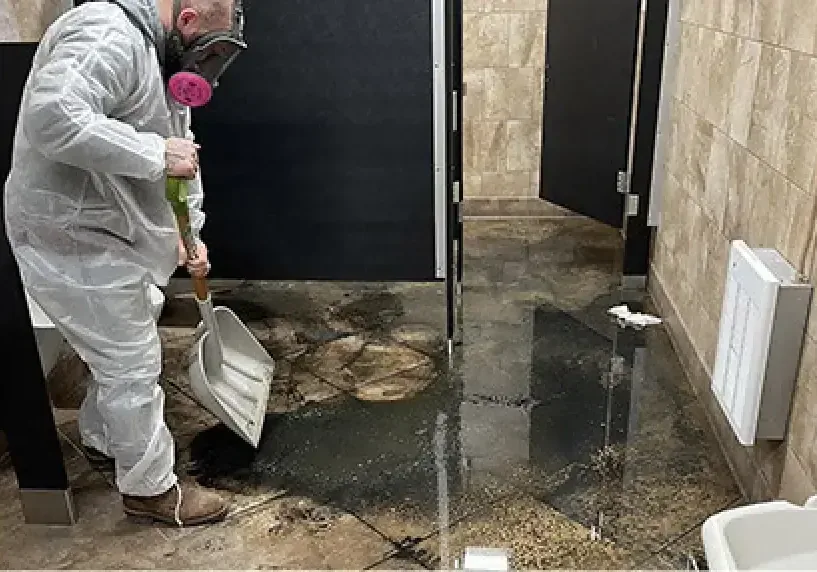
First steps for sewage backup cleanup
- Limit use of affected drainage. Fixtures linked to the backup should remain out of use pending assessment. Continued discharge can add wastewater while the cause is unresolved and enlarge the contacted interior area.
- Separate occupants from the spill. People and pets need a clean route outside the affected room. Wet shoes, towels or belongings should remain isolated rather than carried across unaffected household flooring.
- Describe the full return pattern. The initial report should identify where wastewater emerged and whether multiple fixtures are involved, helping the drain response and interior cleanup assessment address the event together.
- Leave porous materials for controlled handling. Contacted rugs, padding and damaged finishes require a handling decision. Keeping them in place until assessed avoids spreading residue during hurried removal through occupied portions of the building.
What does sewage backup cleanup cost in Calabasas, CA?
Sewage backup cleanup in Calabasas depends on the contamination boundary, porous materials contacted and access for controlled removal. These ranges cover differing interior scopes. Drain correction, replacement finishes and any additional repair work should be stated separately from cleaning and drying in the estimate.
For a closer planning number, run the water damage cost calculator. The restoration contractor who responds prices the job after the walkthrough and the moisture map.
How sewage backup cleanup proceeds
- Step 1
Map wastewater and secondary contact
Inspection identifies discharge and spread through floor layers, belongings or foot traffic, establishing the controlled work boundary before collection and removal of contacted materials.
- Step 2
Remove affected liquid and materials
Wastewater collection and unsuitable porous material removal are organized around containment, with an exit route that protects clean rooms and keeps exposed items separated during handling.
- Step 3
Clean exposed contact surfaces
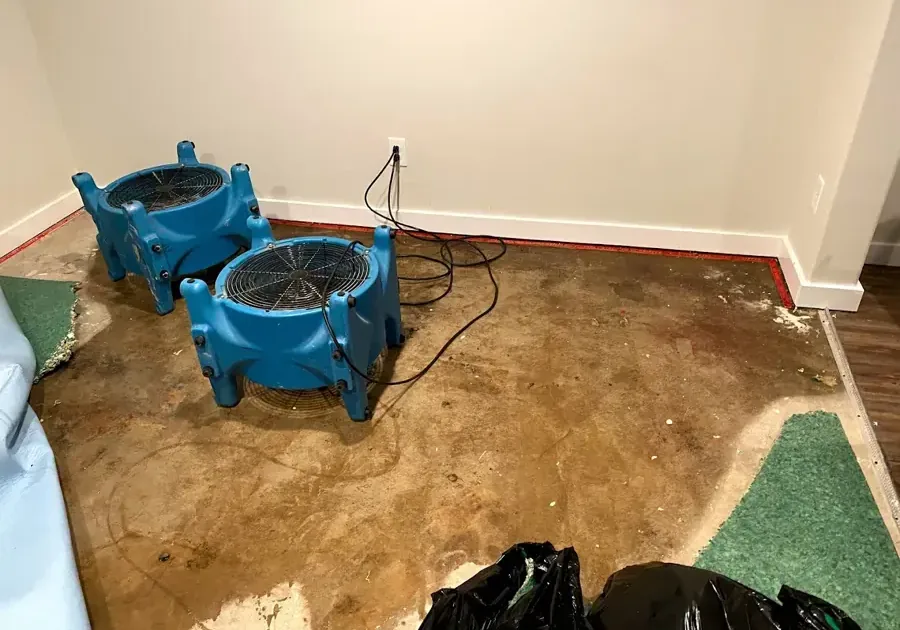
Cleaning reaches joints and sheltered edges exposed during removal. Drying then addresses suitable structural components remaining within the controlled cleanup area.
- Step 4
Document condition before the repair handoff
The record connects material removal, cleaning and moisture findings with outstanding drain or finish work, giving the property owner a clear account of the completed restoration stages.
A sewage backup can contaminate more than the place where water first emerges. Liquid moves around fixtures, under doors and into absorbent layers, while footsteps can carry residue beyond the pool. The work plan needs a contact boundary and a controlled removal route before equipment enters the affected room.
Coordinate the drain response with interior cleanup
Las Virgenes Municipal Water District has staff on call for water and sewer emergencies. A property report should describe the drain behavior and current interior conditions so the drainage issue reaches the appropriate party while the building cleanup is assessed separately.
At a home in Saratoga Ranch or Steeplechase, both connected to Lost Hills Road, safe access details matter as much as the visible water. The cleanup route should allow removal of affected materials without passing loose contaminated items through occupied clean spaces.
Choose material handling from the contact history
Porous finishes can absorb wastewater beyond a surface that appears washable. Carpet padding, damaged wall material and other contacted layers need assessment for removal. Remaining surfaces require cleaning that reaches sheltered joints and edges before drying equipment manages moisture in the exposed structure.
- Stop using fixtures associated with the returning wastewater until assessed.
- Keep wet footwear and exposed belongings within the affected work boundary.
- Record the rooms and porous layers contacted before materials are removed.
- Maintain a separate clean route for occupants throughout the cleanup sequence.
Make completion more than an empty floor
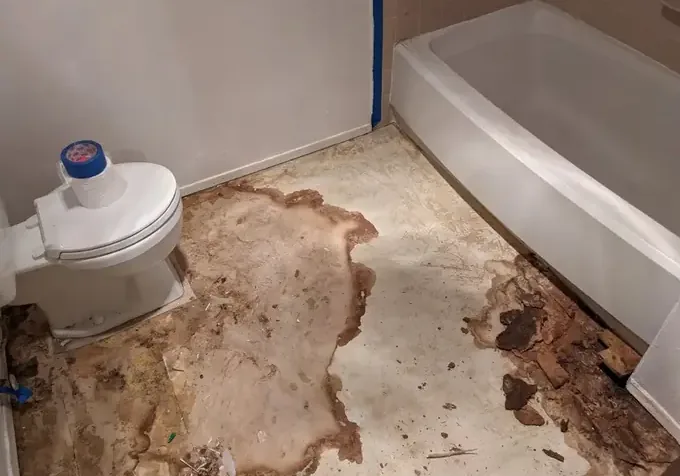
If the event is confined to a fixture, toilet overflow cleanup explains the bathroom specific assessment. Broader work needs removal and cleaning throughout the contact area, followed by structural drying of suitable materials that remain after contamination handling.
The completion record should describe what was removed, which accessible surfaces were cleaned and how remaining moisture responded. Outstanding drainage and finish repairs should be identified clearly. That record helps the owner coordinate a return to use without confusing a cleared drain with a completed interior restoration.
Sewage backup cleanup around Calabasas
Calabasas sewage cleanup requests cover 91301 and 91302. The first description should identify returning fixtures, affected rooms and a safe access route, allowing the assessment to separate clean household activity from wastewater handling and removal.
The same service nearby: sewage backup cleanup in Tarzana, Beverly Hills, San Fernando.
Related water damage services in Calabasas
Sewage Backup Cleanup questions in Calabasas, CA
Should all nearby fixtures stop being used?
The drainage assessment should identify which fixtures contribute to the backup. Until that is established, reducing use associated with the affected drain helps avoid adding wastewater and enlarging the area that needs controlled interior cleanup.
Can sewage touched carpet simply be extracted?
Extraction removes liquid but does not resolve contamination within porous layers. The carpet, padding and substrate need assessment together, with unsuitable materials removed and remaining surfaces cleaned before drying of the structure proceeds in the affected room.
Why control the route out of the room?
Removed items and equipment can transfer residue during handling. A planned route and containment protect clean spaces, allowing the cleanup boundary to stay defined instead of following contaminated footwear or loose materials throughout the occupied property.
Does a cleared drain mean cleanup is finished?
Drain correction stops the source problem, while the released wastewater still requires removal and material assessment. Cleaning and drying address the building damage, with records showing which surfaces were handled and what repairs remain after the blockage is resolved.
Are strong odors the only sign of contamination?
The contact history matters even when odor is limited. Inspection should follow where wastewater traveled and what it touched, rather than relying on smell to decide whether a porous finish or sheltered surface needs controlled handling.
What should the owner retain after the work?
The cleanup scope, photographs, removed material list and drying measurements are useful alongside drainage repair findings. Together they describe the source response and interior restoration without leaving the condition of concealed or replaced materials unclear for later repairs.
Restore the interior after the drain clears
An organized scope connects contamination handling with moisture and repairs, helping the owner understand how affected rooms move toward normal use after the source is corrected.
(888) 578-6508Arrange controlled sewage cleanup assessmentTarzana Water Damage Restoration
Tarzana, CA and Los Angeles County
(888) 578-6508 · open 24/7
Water and sewage losses only
Find us on Google