Storm Flood Cleanup in Calabasas
Water arriving from outdoors changes the cleanup plan at the doorway. Calabasas storm flood cleanup considers sediment, contaminated surfaces and soaked floor layers together, with controlled handling before the affected rooms move into structural drying.
(888) 578-6508Discuss outdoor water inside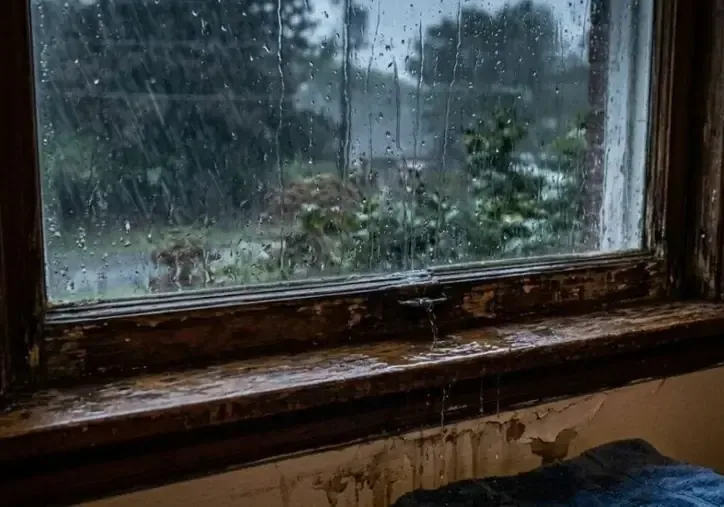
First steps for storm flood cleanup
- Wait for safe access conditions. Occupants should remain outside moving or electrically hazardous water. The assessment must establish safe entry before belongings, extraction equipment or cleaning materials are brought into the room.
- Keep a clean route separate. Foot traffic from the flooded space can carry residue into unaffected rooms. A distinct access path helps limit spread while the work boundary is established.
- Record the outdoor entry point. A safe photograph of the doorway or opening and visible interior boundary can support the assessment, especially if water levels change before cleanup equipment arrives.
- Identify vulnerable contents. Porous belongings and items with electrical components should be noted for separate handling, with damaged possessions kept isolated instead of moved through clean household areas.
What does storm flood cleanup cost in Calabasas, CA?
Storm flood cleanup in Calabasas is affected by sediment, porous material contact and the number of connected wet spaces. The ranges reflect cleanup complexity. The inspection defines removal, cleaning and drying needs alongside separate repairs to the route of water entry.
For a closer planning number, run the water damage cost calculator. The restoration contractor who responds prices the job after the walkthrough and the moisture map.
How storm flood cleanup proceeds
- Step 1
Define the contact boundary
Inspection maps incoming water, deposited sediment and affected contents so the cleaning area reflects actual contact rather than the pool visible when work begins.
- Step 2
Remove liquid and unsuitable layers
Water collection is coordinated with debris handling and removal of materials that cannot remain, keeping the movement of contaminated items separate from clean household spaces.
- Step 3
Clean accessible structural surfaces
Residue is addressed on the exposed surfaces before drying proceeds, with attention to floor joints, wall bases and sheltered areas where sediment accumulated during the entry.
- Step 4
Measure the remaining moisture
Drying equipment is adjusted to the cleaned assembly, and readings document progress before the owner coordinates replacement of finishes and any remaining entry point repairs.
The first muddy footprint beyond a wet doorway can enlarge the cleanup area. Outdoor water requires attention to what it carried inside as well as how deeply it soaked the room. Entry routes, sediment deposits and contact with porous materials all shape the handling plan before drying machines are placed.
Read the entry route at the property
The local foothill setting is framed by the Santa Monica and Santa Susana mountains, and winters are relatively wet. In Steeplechase, which connects to Lost Hills Road, an assessment starts at the actual threshold, wall opening or other place where water entered the building.
Photographs taken safely can record the water boundary before removal. The inspection follows that boundary beneath coverings and into adjacent spaces, checking whether runoff deposited debris under furniture or behind lower finishes. The work area should encompass those contacts while preserving a clean route for occupants.
Removal includes the material the water carried
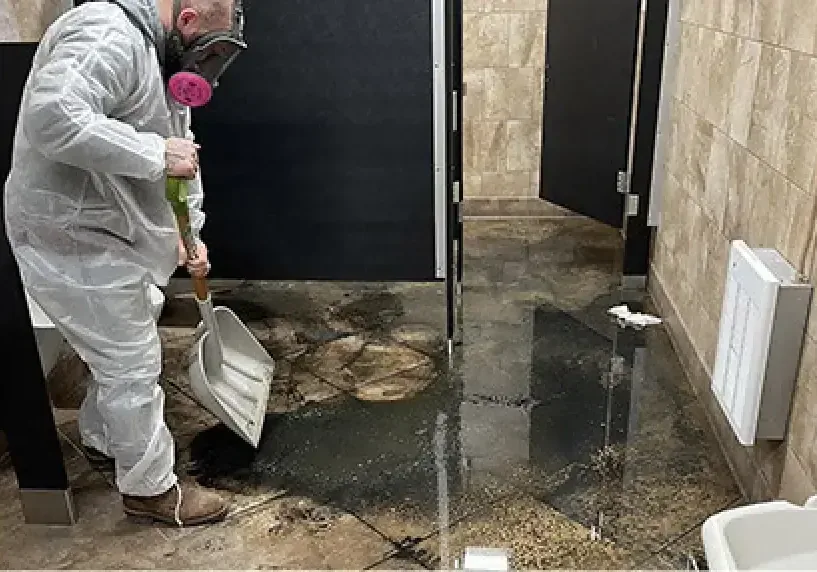
Extraction clears liquid, but settled silt can remain after the floor appears empty. Porous items and damaged layers need separate decisions about removal or treatment. Cleaning must reach accessible contact surfaces before drying is used to address moisture in the structure that remains.
- Keep outdoor footwear and wet possessions outside clean living areas.
- Identify porous flooring and contents touched by the incoming water.
- Check door bases and wall edges for deposited debris and saturation.
- Document the cleaned boundary before setting the remaining material drying scope.
Drying follows a defined cleanup boundary
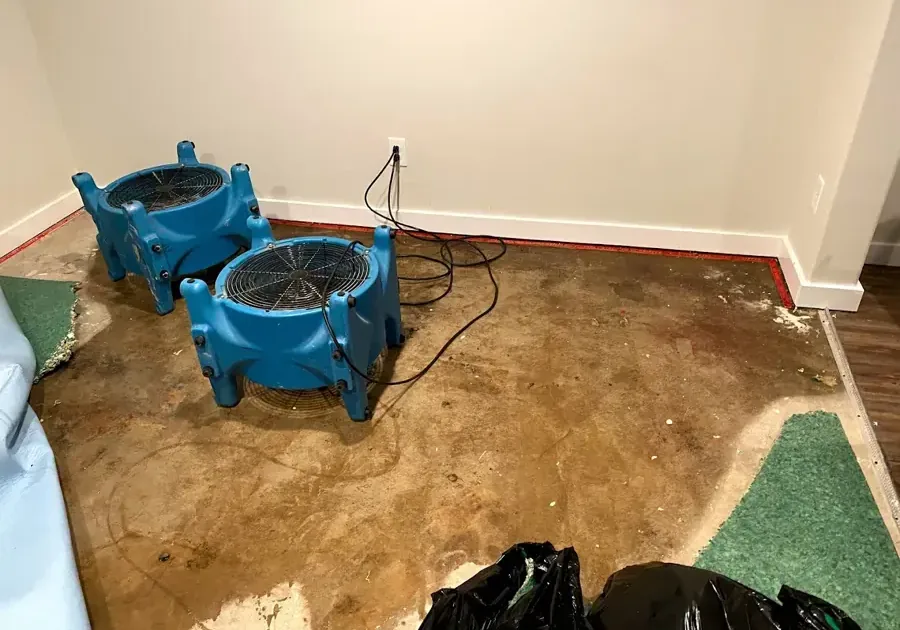
Water extraction can clear the visible pool, while structural drying addresses retained moisture after material handling and cleaning. Equipment placement should follow the cleaned area so airflow does not become an uncontrolled way to spread residue across the property.
Finish replacement belongs after the source of entry and the wet assembly have been addressed. The final record should identify removed materials, cleaned surfaces and drying results, helping the owner coordinate threshold, wall or flooring repairs that remain outside the immediate cleanup work.
Storm flood cleanup around Calabasas
Storm water cleanup requests in Calabasas include 91301 and 91302. The assessment needs the entry location, current access conditions and affected room connections, with particular attention to sediment and belongings contacted by the outdoor water.
The same service nearby: storm flood cleanup in Tarzana, Beverly Hills, San Fernando.
Related water damage services in Calabasas
Storm Flood Cleanup questions in Calabasas, CA
Is clear looking outdoor water safe to treat as clean?
The cleanup assessment traces the outdoor route and checks the interior materials touched. Water crossing soil, pavement or drains needs handling and cleaning methods suited to that exposure, including any sediment carried into the room.
Can a floor be dried while mud remains?
Sediment needs removal and affected surfaces need cleaning as part of the cleanup sequence. Drying equipment should address the remaining moisture after those tasks, with the work boundary controlled to avoid spreading residue into clean spaces.
Why separate wet contents from dry belongings?
Items contacted by outdoor water can carry residue even after dripping stops. Keeping them isolated allows handling decisions for each material and helps prevent a small flooded area from spreading contamination through otherwise unaffected rooms.
Does a wet doorway mean the whole floor is affected?
The extent needs inspection. Water can stop near a threshold or move beneath coverings into another area, so measurements and contact observations determine the scope instead of assuming the entire room has the same condition.
Can occupants use household fans immediately?
Fans can move contaminants from an unassessed area. Safe electrical conditions and cleaning needs should be established first, followed by equipment placement that supports drying of the prepared work area without carrying residue into occupied spaces.
What should the final cleanup record include?
Useful records identify the entry route, affected boundary, materials removed, surfaces cleaned and drying measurements. Those details connect the mitigation work with later flooring or wall repairs and any correction needed at the exterior opening.
Recover the rooms beyond the threshold
An inspection can establish which materials need handling and which surfaces remain suitable for drying, helping the owner move from a muddy interior to a defined repair scope.
(888) 578-6508Arrange storm water assessmentTarzana Water Damage Restoration
Tarzana, CA and Los Angeles County
(888) 578-6508 · open 24/7
Water and sewage losses only
Find us on Google